Travelers across the United States are discovering a simple truth: avoiding crowded highways, packed viewpoints, and tourist-heavy routes creates a calmer, richer travel experience. You see more of the landscape, meet fewer stressed travelers, and get the freedom to stop wherever you want. Whether you’re planning a long road trip or exploring a single region, choosing alternate routes helps you reach hidden towns, scenic drives, and peaceful backroads that most visitors overlook.
This guide highlights the best lesser-known routes across the country, explains why they work, and gives practical tips for smooth, low-traffic travel. If your goal is to avoid tourist crowd usa patterns, these options deliver exactly that.
Why Alternate Routes Make Travel Better
Major highways and iconic byways attract heavy seasonal traffic, especially near national parks, beaches, and major cities. Alternate routes offer a different kind of experience. They replace stress with calm, noise with quiet, and congestion with open road.
Choosing alternate roads helps you:
• Discover less-traveled towns
• Save time during peak seasons
• Reduce driving fatigue
• Capture better photos without crowds
• Avoid overpriced stops and parking issues
Travel becomes more about the journey itself and less about navigating congestion.
Western U.S. Backroads That Beat the Crowds
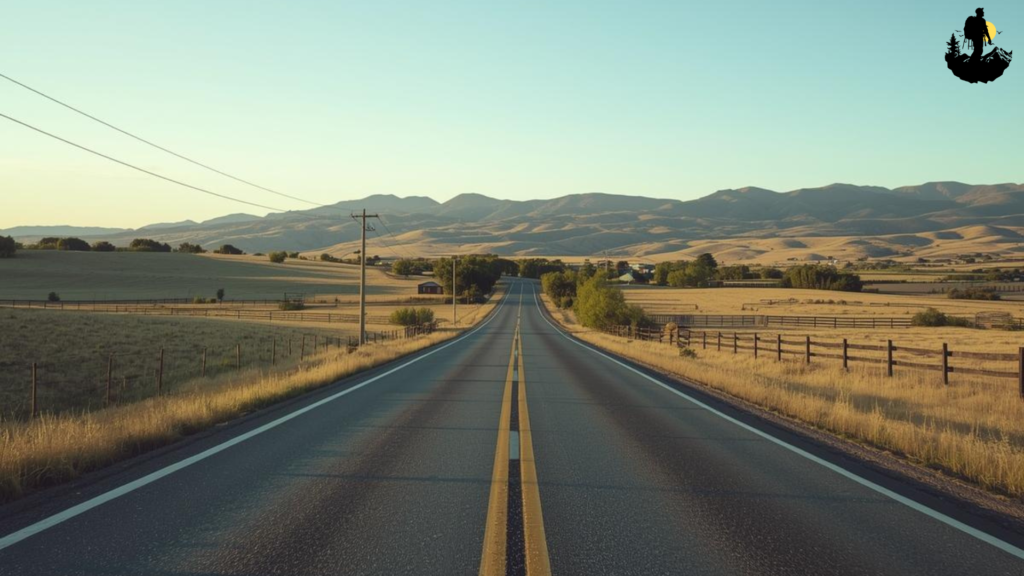
The West is famous for road trips, but popular routes like Highway 1, the Pacific Coast Highway, and parts of US-89 get packed during tourist season. Fortunately, there are quieter alternatives with just as much beauty.
Highway 395 over Highway 1: This inland route along the Sierra Nevada delivers dramatic mountain views without coastal congestion.
Highway 50 instead of I-80: Known as the “Loneliest Road in America,” it’s peaceful, scenic, and dotted with small historic towns.
Utah’s Highway 191 instead of Highway 12: Highway 12 is stunning but crowded in peak months. Highway 191 gives you wide-open red rock views with easier driving.
Arizona’s Route 89A, instead of Grand Canyon South Rim traffic: Quieter and extremely scenic, especially near Sedona and Oak Creek Canyon.
If your priority is to avoid tourist crowds in the USA hotspots in the West, these roads are ideal.
Hidden Scenic Routes in the Rocky Mountains
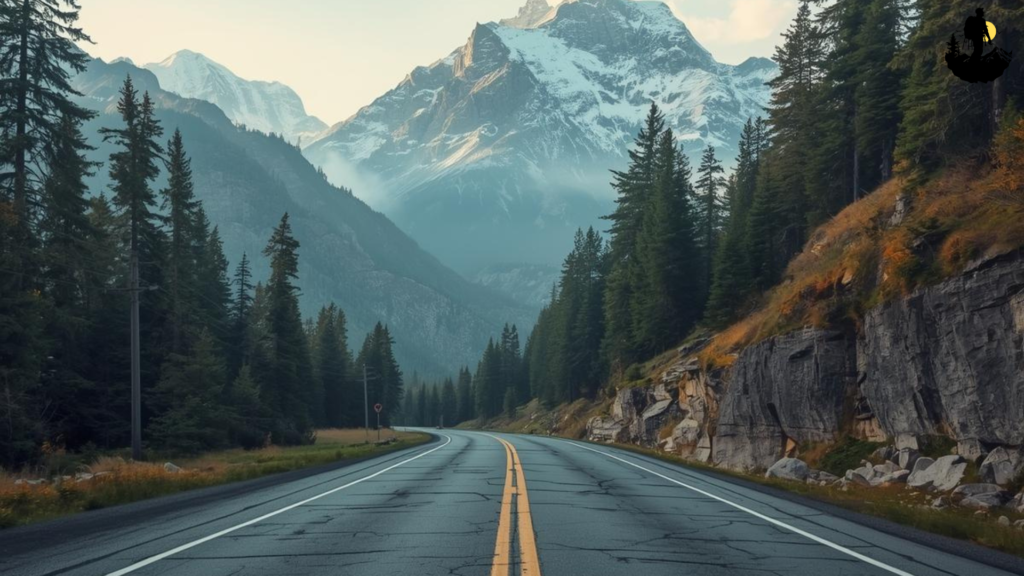
Rocky Mountain roads attract road-trippers from across the world. Popular highways like Trail Ridge Road and Going-to-the-Sun Road often close due to traffic restrictions or seasonal limits. The good news: plenty of quieter mountain drives offer equally powerful scenery.
Wyoming’s Chief Joseph Scenic Byway: A twisting mountain road with huge views and little congestion.
Colorado’s Highway 149 (Silver Thread Scenic Byway): A peaceful route with old mining towns, waterfalls, and lakes.
Montana’s Highway 200: A wide, quiet highway that crosses rolling mountain valleys without summer chaos.
Idaho’s Salmon River Scenic Byway: A relaxed alternative to busier Sun Valley routes.
These drives offer the same alpine feel, minus the lines of rental cars.
Quiet Desert Roads in the Southwest
The desert Southwest is one of the easiest places to avoid crowds. Open spaces, long dirt roads, and alternative paved routes make it ideal for peaceful travel.
New Mexico’s Highway 14 (Turquoise Trail): A creative, artsy route avoiding I-25 traffic between Albuquerque and Santa Fe.
Nevada’s Highway 318: Much quieter than US-93 and perfect for long, uninterrupted driving.
Arizona’s Highway 260 instead of AZ-64: Skip the South Rim traffic and enjoy forests, lakes, and small towns.
Utah’s Highway 95: A lonely desert drive with natural bridges, mesas, and canyon views.
These roads deliver classic desert scenery without bumper-to-bumper crowds.
East Coast Alternatives to Packed Highways
East Coast travel often involves navigating dense metro corridors and vacation towns. Alternate routes help you enjoy scenic drives without heavy coastal congestion.
Route 11 over Interstate 81: A slower but quieter option through Appalachian towns and farmland.
Route 1A instead of Route 1 in Maine: Closer to the coast and far less crowded.
Skyline Drive alternatives: While this iconic route gets packed, nearby country roads through Shenandoah Valley stay peaceful.
Northwest Connecticut backroads: Avoid Route 7 traffic with quiet forest-lined detours.
These options keep your pace slow, scenic, and stress-free.
Midwest Routes That Offer Open Roads
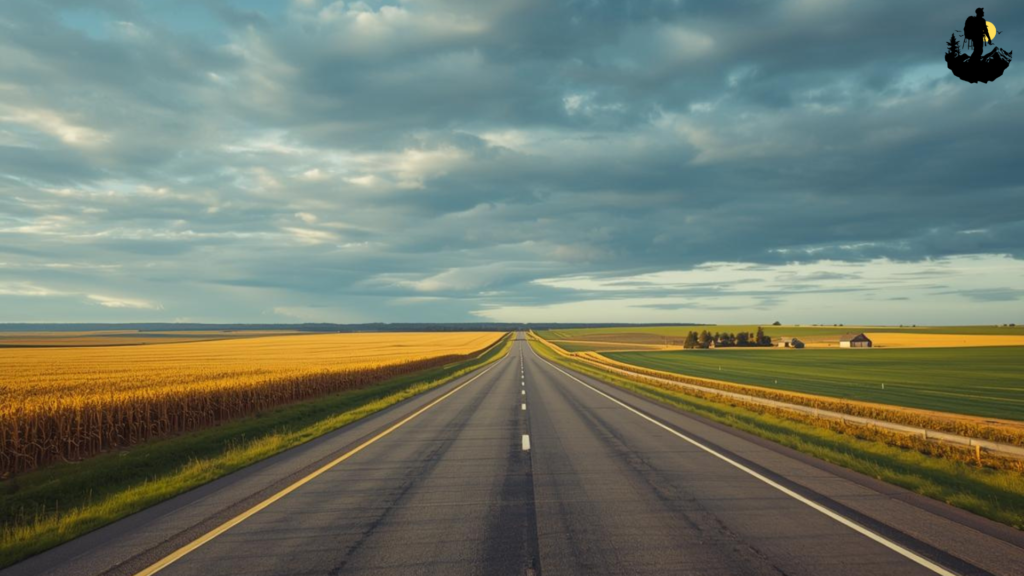
The Midwest may seem straightforward, but popular lake regions and major national forests still attract heavy vacation traffic. Alternate midwestern backroads offer wide-open views and fewer vehicles.
Wisconsin’s Highway 13 instead of Highway 2: A quiet drive along farmland and forest corridors heading toward Lake Superior.
Minnesota’s Highway 210 instead of Highway 61: Avoids North Shore crowds while still offering beautiful landscapes.
Ohio’s Route 26: A peaceful Appalachian foothill drive away from main routes into West Virginia.
Michigan’s M-22 alternatives: This iconic loop is packed in summer. Forest roads in the Sleeping Bear Dunes region offer quiet escapes.
The Midwest is full of scenic roads waiting to be discovered.
Southern Backroads That Beat Tourist Traffic
The South draws millions of visitors each year, especially to beaches, historic cities, and mountain regions. Alternate routes offer charm without congestion.
Georgia’s Highway 197: A quiet forest road that avoids Helen’s high tourist volume.
Florida’s Route 27 instead of Route 1 or I-95: Travel inland to skip coastal traffic and see quiet lake country.
Tennessee’s Foothills Parkway: A peaceful alternative to the packed Great Smoky Mountains National Park roads.
Arkansas’s Pig Trail Scenic Byway alternatives: Nearby forest roads offer similar scenery without motorcycle traffic.
If you want southern hospitality without slow-moving lines of cars, these are your roads.
Lesser-Known Coastal Routes Without Tourist Congestion
Coastal highways tend to be crowded, especially in summer. Hidden alternate routes give you access to ocean views and coastal towns without the stress.
Oregon’s Umpqua Scenic Byway: A peaceful alternative to the packed Oregon Coast Highway.
California’s Highway 70 instead of Highway 1: Mountain scenery with far fewer visitors.
North Carolina’s Route 264: Avoids Outer Banks gridlock while still offering water views.
Gulf Coast inland roads: Traveling slightly inland grants access to quiet stretches of forest mixed with bayou scenery.
These routes let you enjoy coastal beauty without long lines of brake lights.
How to Pick an Alternate Route on Your Own
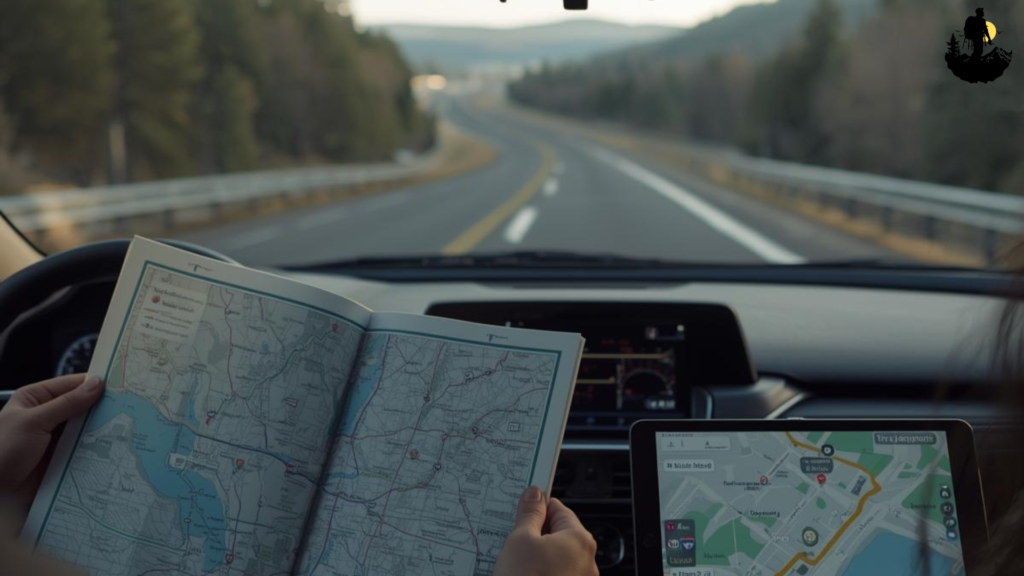
Even when you are not familiar with an area, you can find less-traveled roads with a few smart strategies.
Tips for choosing alternate routes:
• Look for smaller highways parallel to major interstates
• Follow river valleys, which often lead to peaceful scenic roads
• Pick roads that connect smaller rural towns, not major hubs
• Use state scenic byway lists for inspiration
• Download offline maps for flexibility
• Avoid routes linking famous tourist sites
The key is thinking like a local, not a visitor.
Signs You’re on a Route Most Tourists Ignore
Want to know if you’ve truly escaped the crowds? These clues confirm you’re on the right track:
• You pass farms more often than gas stations
• You see wildlife instead of billboards
• Cars are spaced miles apart
• Roadside diners replace chain restaurants
• You have multiple chances to pull over and enjoy the scenery
• You see more cyclists, locals, or RVs than rental cars
These signs mean you’ve successfully avoided the main tourist corridors.
Planning Tools to Help You Avoid Major Tourist Traffic
Modern tools make it easier than ever to build low-traffic routes.
Use these for better planning:
• Google Maps “avoid highways” option
• Roadtrippers for scenic alternatives
• State tourism boards for scenic drives
• Gaia GPS or offline maps for forest routes
• AllTrails for quiet trailhead road access
The more familiar you are with mapping options, the easier it becomes to avoid tourist crowd patterns entirely.
The Freedom of the Road Less Traveled
Choosing alternate routes is not just about avoiding crowds. It’s about experiencing the United States in a slower, more intentional way. You discover forgotten towns, hidden scenic overlooks, and peaceful stretches of highway that most travelers never hear about.
By thinking beyond the major tourist routes and exploring backroads, you gain a deeper connection with the landscape and a more relaxed travel experience. So the next time you plan a route, choose the quiet option. The road less traveled has a lot more to offer.