America’s Underground Art, Music & Creative Scenes
America’s underground art, music, and creative scenes exist far from mainstream spotlights, thriving in basements, warehouses, independent galleries, and hidden cultural spaces. These communities shape trends long before they reach popular culture, driven by experimentation, authenticity, and raw creative expression. From DIY music collectives to street art districts, underground culture usa movements continue to redefine how people experience art, sound, and storytelling across the United States.
The Hidden Pulse of America’s Creative Underground
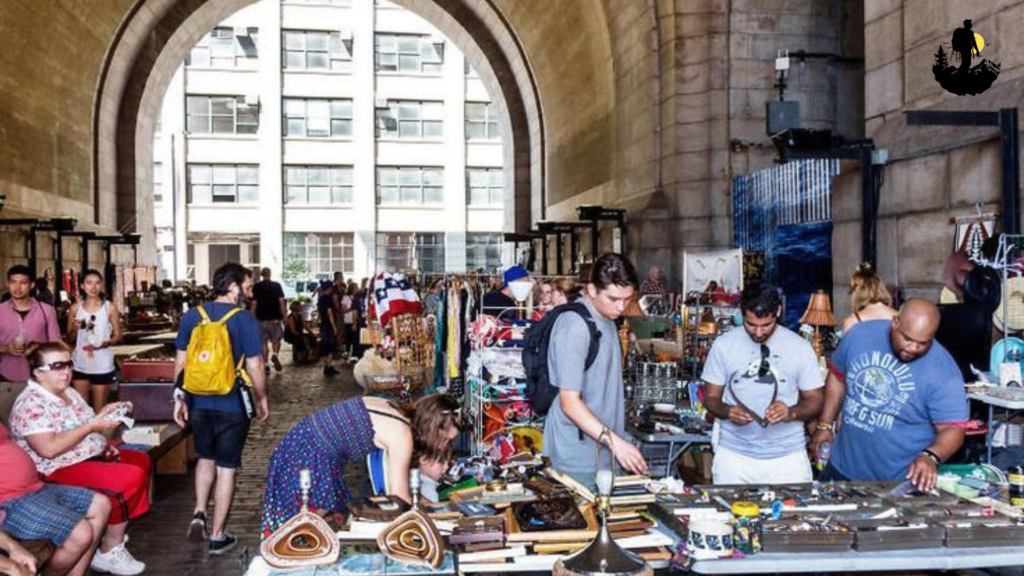
Brooklyn’s DIY Music and Warehouse Art Culture, New York
Brooklyn has long been known as a creative powerhouse, but beyond its famous venues lies a vibrant underground ecosystem where emerging artists and musicians push boundaries. In neighborhoods like Bushwick, Ridgewood, and East Williamsburg, abandoned industrial buildings have transformed into rehearsal studios, experimental galleries, and pop up performance spaces. These locations often operate quietly, relying on word of mouth rather than mainstream promotion.
Walking through Bushwick’s industrial streets at night, you might hear the echo of live synth music drifting from a converted loft or discover a secret art show hidden behind an unmarked door. The walls of warehouses are covered in layered graffiti and murals that evolve constantly, reflecting political commentary, personal storytelling, and collective identity. Artists collaborate freely, blending visual art with live music, projection mapping, and performance installations.
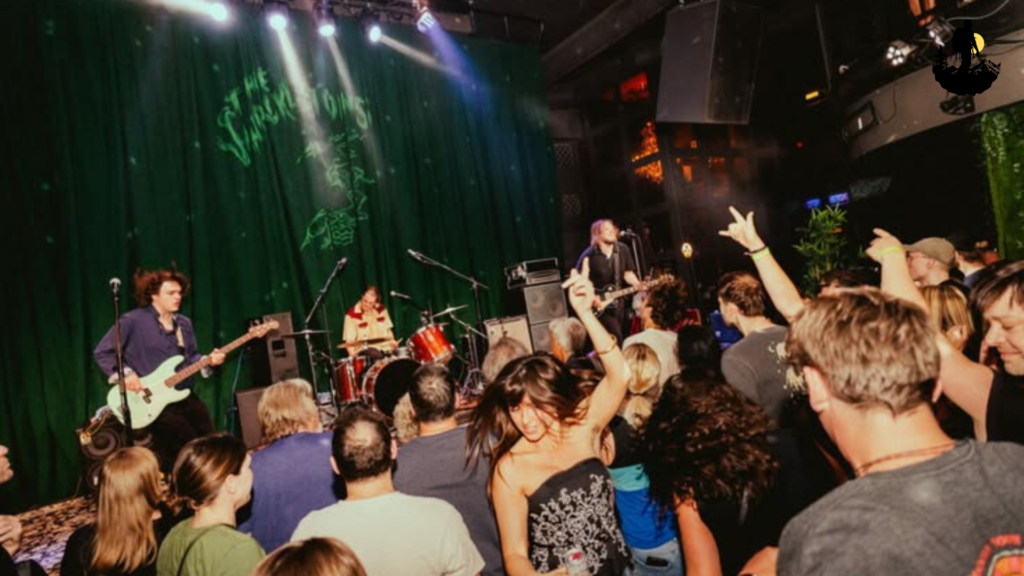
The underground music scene here is diverse and fearless. Punk, indie rock, experimental electronic, and alternative hip hop all coexist, often sharing the same stage during small community driven events. Musicians experiment without the pressure of commercial expectations, creating sounds that feel raw and unfiltered. Audiences are equally passionate, drawn by curiosity and a desire to discover something new rather than follow mainstream trends.
A typical underground event might begin late in the evening with local DJs spinning vinyl sets, followed by live bands performing in dimly lit spaces illuminated by handmade lighting rigs. Projection artists often transform blank walls into moving canvases, while independent filmmakers screen short experimental pieces between sets. The energy feels collaborative rather than competitive, with creators supporting one another and sharing resources.
One of the defining characteristics of Brooklyn’s underground scene is its DIY ethos. Artists organize their own shows, build their own stages, and promote events through social media collectives and underground zines. This grassroots creative culture fosters a strong sense of ownership and community. People attending these events are not just spectators; they become participants, helping to shape the atmosphere and direction of the space.
Despite increasing gentrification and rising rents, the underground culture continues to adapt. Some collectives move between temporary locations, creating a sense of mystery and exclusivity. Others host daytime art markets, workshops, and collaborative studio sessions that strengthen connections between creatives and audiences. The constant reinvention keeps the scene alive and unpredictable.
Why It Is So Special
Brooklyn’s underground creative culture represents freedom of expression at its most authentic level. Artists experiment without fear of failure, audiences experience art in intimate settings, and collaborations form naturally across disciplines. The scene thrives because it values originality over perfection, allowing ideas to evolve organically. For many visitors, discovering a hidden show in a warehouse or stumbling into an experimental gallery becomes a defining memory of New York’s creative spirit.
Weather: Cold winters, humid summers, vibrant nightlife year round
Best Season to Visit: Late spring and early autumn for outdoor murals and pop up shows
Budget: $120 to $300 per night nearby depending on neighborhood
Best Food Nearby: Late night pizza slices, vegan street food, artisan coffee shops
Best Places to Stay: Boutique hotels in Williamsburg, creative hostels, industrial style loft rentals
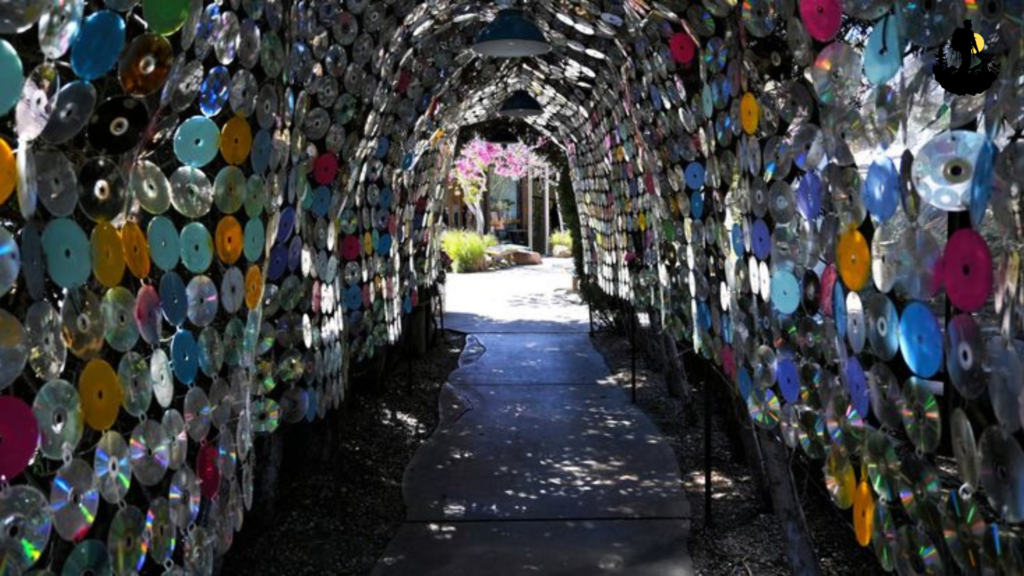
Los Angeles Underground Street Art and Experimental Music Spaces, California
Los Angeles is often associated with Hollywood glamour, but beneath the surface lies a powerful underground creative movement fueled by independent artists, graffiti collectives, and experimental musicians. Areas like Downtown LA’s Arts District, Boyle Heights, and Highland Park have become hubs where murals stretch across entire buildings and hidden venues host intimate performances far from commercial stages.
The underground art culture here blends urban storytelling with cultural identity. Massive murals tell stories of migration, resistance, and community pride, transforming ordinary streets into open air galleries. Many artists work anonymously, allowing the art itself to speak louder than individual fame. Walking through the Arts District feels like exploring a constantly changing exhibition, where new layers of paint appear overnight and creative voices reshape the city’s visual language.
Music plays an equally important role. Small venues tucked inside converted garages or vintage storefronts host experimental jazz sessions, electronic live coding performances, and genre bending collaborations that merge Latin rhythms with futuristic soundscapes. Unlike large concert halls, these spaces emphasize closeness between performers and audiences. People sit on the floor, stand inches from the stage, and experience music in a deeply personal way.
The creative energy of Los Angeles underground scenes often reflects the city’s multicultural identity. Artists incorporate influences from Mexican folk art, skate culture, digital design, and street photography. Community workshops teach mural painting, beat making, and analog film processing, encouraging newcomers to participate rather than simply observe. This open access approach keeps the culture evolving and inclusive.
Nighttime reveals another layer of creativity. Projection artists transform abandoned walls into immersive visuals, while dancers improvise to live electronic beats in parking lots turned temporary performance arenas. Some collectives organize secret rooftop shows, where city lights become part of the stage design. The atmosphere feels spontaneous and electric, capturing the spirit of a city that constantly reinvents itself.
Challenges exist here as well. Rising property costs and stricter regulations push many artists to seek alternative spaces or collaborate with local businesses willing to support independent creativity. Yet these challenges often inspire new forms of expression. Pop up galleries appear in unexpected places such as vintage clothing shops or coffee warehouses, blending commerce with artistic experimentation.
Why It Is So Special
Los Angeles underground art and music scenes thrive on diversity and innovation. They offer a contrast to the polished entertainment industry, revealing a side of the city driven by passion rather than commercial success. Visitors who explore these hidden spaces often discover emerging artists long before they gain wider recognition. The experience feels intimate and alive, reminding people that creativity flourishes most powerfully when it grows from community roots rather than corporate stages.
Weather: Warm sunny days with cool evenings ideal for outdoor art exploration
Best Season to Visit: Winter and spring when temperatures remain comfortable for walking tours
Budget: $140 to $280 per night in creative neighborhoods
Best Food Nearby: Food trucks with fusion tacos, Korean Mexican street food, artisan bakeries
Best Places to Stay: Downtown loft style hotels, creative boutique stays in the Arts District, cozy guesthouses in Highland Park
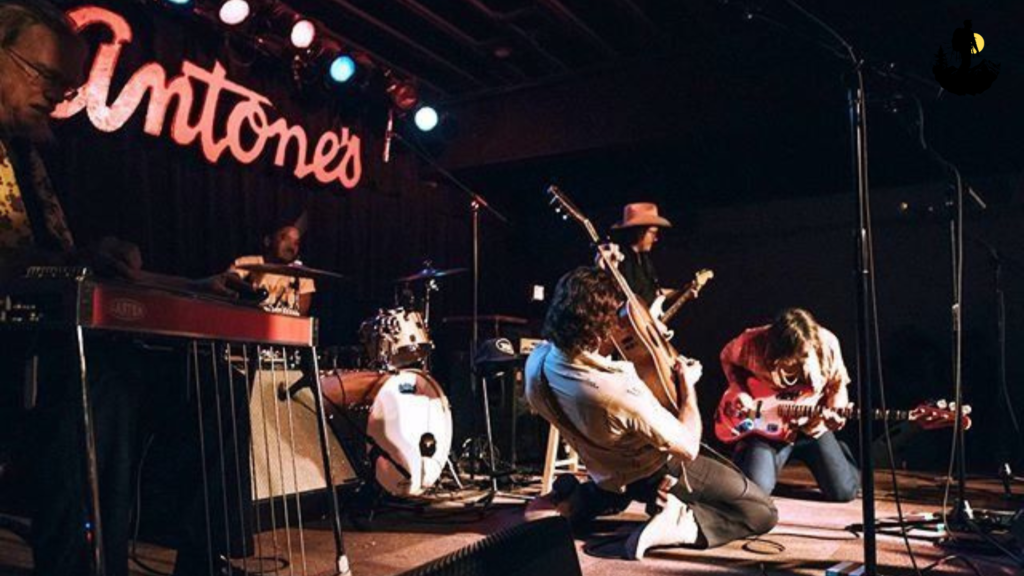
Austin’s Underground Indie Music and DIY Art Collectives, Texas
Austin is often called the live music capital of the world, but beyond its famous festivals and crowded venues exists a thriving underground creative culture built on independence and experimentation. Hidden behind vintage storefronts, backyard stages, and repurposed garages, artists and musicians gather to create experiences that feel raw, personal, and deeply connected to the local community. These spaces are rarely advertised widely, relying instead on local networks, handmade posters, and digital word of mouth.
In neighborhoods like East Austin and Red River District side streets, independent artists host small shows where genres blend freely. One night might feature dreamy indie folk followed by experimental noise rock or analog synth performances. The focus is less about perfection and more about authenticity, allowing musicians to explore sounds without pressure from commercial expectations. Audiences often sit close to performers, creating an intimate atmosphere where every lyric and instrument feels immediate.
Visual artists play a major role in shaping Austin’s underground culture. Pop up galleries appear in unexpected places such as converted warehouses or shared creative studios. Murals change constantly, reflecting social movements, personal stories, and the evolving identity of the city. Live painting sessions during music events transform blank walls into vibrant canvases, merging sound and visual art into a single immersive experience.
The DIY philosophy defines Austin’s underground scene. Creators build stages from recycled materials, design handmade lighting setups, and collaborate across disciplines. Local filmmakers screen experimental short films between musical acts, while poets and spoken word artists weave narratives into the night’s energy. Food trucks often park nearby, turning gatherings into community celebrations rather than formal events.
As Austin grows rapidly, many underground spaces adapt by moving between temporary venues or hosting daytime creative markets that support independent makers. Workshops in zine creation, analog photography, and instrument building allow visitors to participate rather than just observe. The result is a culture that feels alive and constantly evolving, shaped by collaboration rather than competition.
Coordinates: Approximate location 30.2672° N, 97.7431° W, East Austin creative districts
Best Photography Spots:
- Backyard stage lights: Capture silhouettes of performers against string lights for a warm, intimate feel.
- Street mural alleys: Early evening provides balanced lighting for colorful urban portraits.
- Rooftop jam sessions: Wide shots highlight the city skyline behind musicians.
- Vintage storefront entrances: Neon signs and posters create authentic underground aesthetics.
Why It Is So Special
Austin’s underground creative culture reflects freedom and community. Artists are encouraged to experiment without fear, and audiences become part of the creative process. The city’s independent spirit keeps the scene fresh and welcoming, offering experiences that feel genuine and unforgettable.
Weather: Hot summers, mild winters with pleasant evenings
Best Season to Visit: Late fall and early spring for comfortable outdoor events
Budget: $110 to $220 per night nearby
Best Food Nearby: Tex Mex street tacos, vegan comfort food, late night barbecue spots
Best Places to Stay: Boutique hostels, retro motels, creative loft rentals near downtown
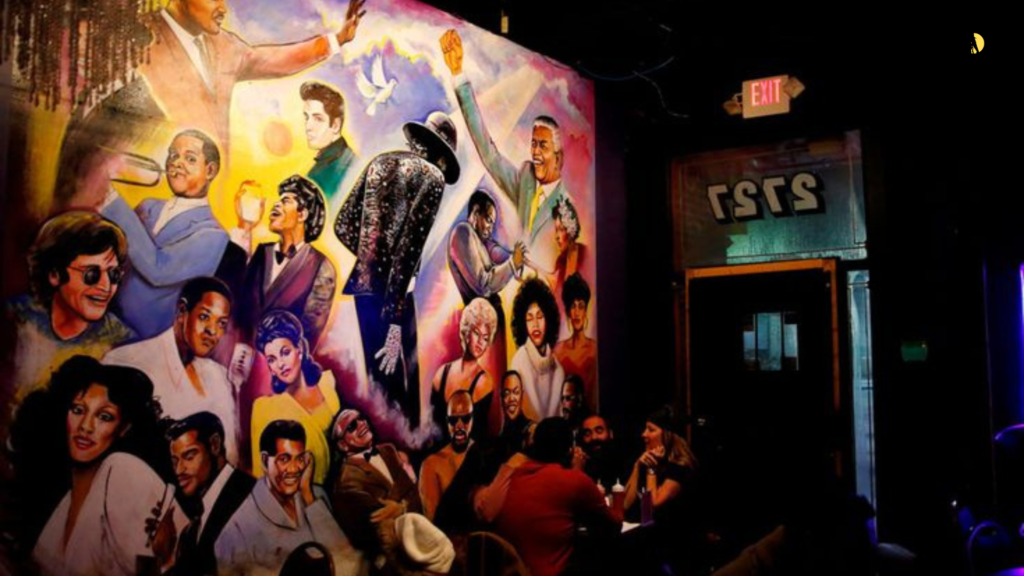
Detroit’s Underground Techno and Industrial Art Revival, Michigan
Detroit’s underground creative scene carries a powerful sense of history and resilience. Known as the birthplace of techno music, the city’s abandoned factories and industrial buildings have become canvases for artists and stages for experimental musicians. Walking through neighborhoods like Corktown or Eastern Market reveals a city where past and future blend together through sound, light, and bold artistic expression.
Underground techno events often take place in raw industrial spaces filled with minimal lighting and immersive sound systems. DJs experiment with hypnotic rhythms that echo through concrete walls, creating a deeply atmospheric experience. Unlike mainstream festivals, these gatherings emphasize connection and authenticity. Dancers move freely, guided by music that feels both mechanical and emotional.
Visual artists in Detroit draw inspiration from the city’s industrial heritage. Sculptures made from recycled metal, large scale murals, and projection installations transform old buildings into living works of art. Many galleries operate as cooperative spaces where artists share tools, resources, and creative ideas. The environment encourages experimentation, allowing creators to explore unconventional materials and techniques.
The underground community extends beyond nightlife. Daytime workshops teach electronic music production, analog synthesizer building, and urban photography. Artists often collaborate with local residents to create public art projects that celebrate neighborhood identity. This balance between underground culture and community involvement gives Detroit’s creative scene a unique sense of purpose.
As the city continues to evolve, underground collectives adapt by blending digital technology with traditional art forms. Virtual reality installations appear alongside live DJ sets, while experimental filmmakers project visuals onto industrial walls. These hybrid experiences push the boundaries of what underground art can be, attracting visitors from around the world who seek something authentic and immersive.
Coordinates: Approximate location 42.3314° N, 83.0458° W, Detroit industrial districts
Best Photography Spots:
- Eastern Market murals: Bright colors contrast beautifully with historic brick buildings.
- Warehouse interiors: Low light creates dramatic shadows ideal for moody portraits.
- Rooftop views at sunset: Capture the skyline blending old factories with modern development.
- Nighttime techno events: Long exposure shots highlight movement and rhythm.
Why It Is So Special
Detroit’s underground scene feels deeply rooted in history while constantly looking toward the future. Music and art become tools for storytelling and transformation, turning forgotten spaces into vibrant creative hubs. Visitors often leave inspired by the city’s resilience and innovative spirit.
Weather: Cold snowy winters, warm summers
Best Season to Visit: Late spring through early autumn
Budget: $90 to $180 per night nearby
Best Food Nearby: Soul food diners, artisan pizza spots, classic coney dogs
Best Places to Stay: Historic boutique hotels, creative guesthouses, loft style apartments
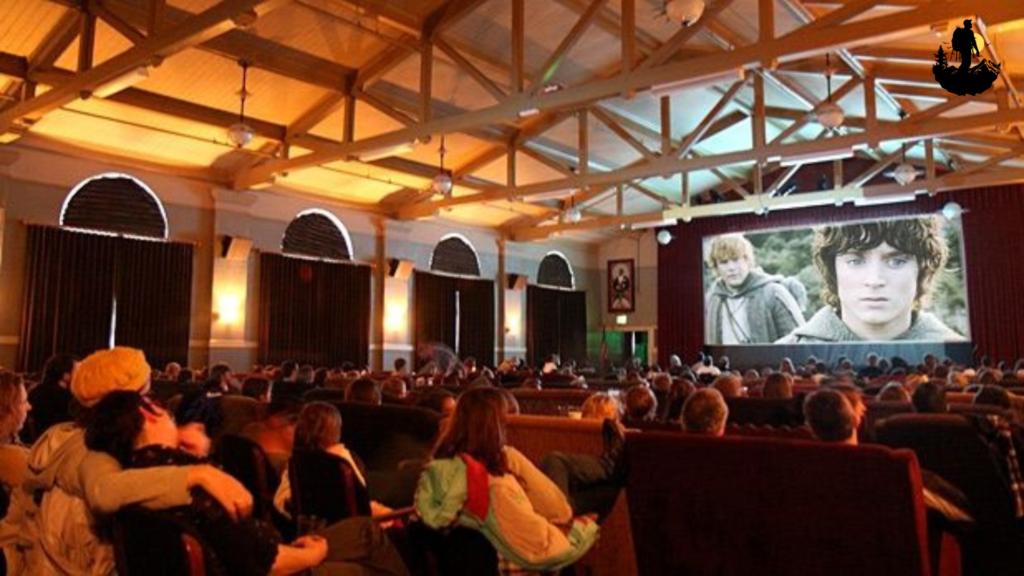
Portland’s Underground Indie Film and Alternative Art Spaces, Oregon
Portland’s creative identity thrives on independence and unconventional ideas, making it a haven for underground filmmakers, multimedia artists, and experimental performers. Beyond its well known coffee culture lies a network of hidden screening rooms, basement galleries, and collaborative studios where creators explore storytelling in innovative ways.
Independent filmmakers often debut projects in small community theaters or improvised screening spaces tucked behind bookstores and art collectives. These events feel intimate and interactive, with directors discussing their work directly with audiences after the film ends. The focus is on creativity rather than commercial success, allowing artists to experiment with narrative structure, animation, and mixed media techniques.
Visual art spaces in Portland frequently blur the line between gallery and performance venue. One night might feature an immersive installation combining sound design and projection art, while the next hosts live experimental theater. Handmade props, recycled materials, and analog technology give many exhibitions a tactile, personal quality that contrasts with polished mainstream productions.
Music also plays a strong role in Portland’s underground culture. Indie bands, ambient composers, and electronic artists collaborate with filmmakers to create live audiovisual experiences. Projected visuals move across walls as musicians perform, turning each show into a multisensory journey. The audience often sits on cushions or stands close to the performers, reinforcing a sense of shared creative energy.
Portland’s underground community values sustainability and collaboration. Artists share studio spaces, organize collective exhibitions, and host skill sharing workshops where newcomers can learn filmmaking, sound design, or screen printing. The atmosphere feels welcoming and inclusive, encouraging creativity across all levels of experience.
Night markets and alternative art fairs showcase handmade zines, experimental photography, and digital art prints, giving visitors a chance to connect directly with creators. Many events take place in historic buildings filled with warm lighting and vintage decor, adding to the city’s distinctive aesthetic.
Coordinates: Approximate location 45.5152° N, 122.6784° W, central Portland creative districts
Best Photography Spots:
- Vintage theater interiors: Capture warm lighting and retro textures.
- Street art corridors: Morning light enhances pastel colored murals.
- Basement gallery setups: Close up shots highlight handmade details.
- Rooftop film screenings: City lights create cinematic backgrounds.
Why It Is So Special
Portland’s underground art and film scene celebrates imagination without limits. It provides a platform for voices that might not fit into traditional industries, creating experiences that feel deeply personal and creatively fearless. Visitors often discover unexpected stories and collaborations that redefine what independent art can be.
Weather: Rainy winters, mild summers with cool evenings
Best Season to Visit: Late spring and summer for outdoor screenings
Budget: $100 to $200 per night nearby
Best Food Nearby: Artisan coffee roasters, vegan comfort food, local food carts
Best Places to Stay: Indie boutique hotels, creative hostels, cozy downtown guesthouses
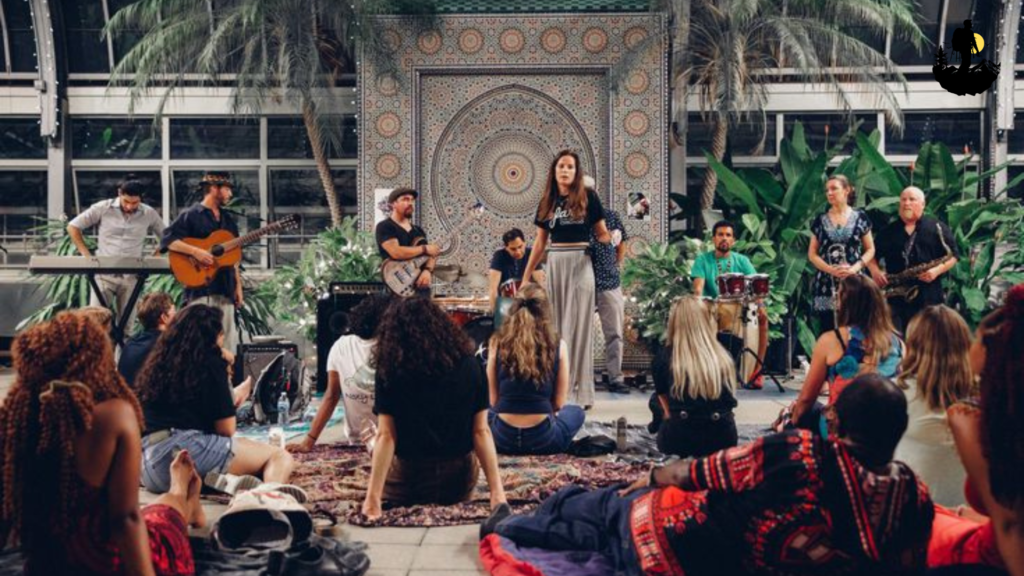
Chicago’s Underground House Music and Industrial Art Spaces, Illinois
Chicago’s underground creative scene pulses with rhythm, history, and innovation. Known as the birthplace of house music, the city continues to nurture hidden venues and DIY art collectives that keep the spirit of experimentation alive. In neighborhoods like Pilsen, Logan Square, and parts of the West Loop, artists transform old factories, basements, and lofts into immersive creative environments that feel far removed from mainstream nightlife.
Late night underground gatherings often revolve around deep house, techno, and experimental electronic sounds. DJs mix vinyl sets while dancers move freely under dim lights and projected visuals. The atmosphere feels inclusive and energetic, drawing people who value music as a shared experience rather than a commercial performance. These spaces encourage connection, allowing strangers to bond through rhythm and movement.
Street art and murals add another layer to Chicago’s underground culture. Pilsen’s colorful alleys feature powerful storytelling through paint, reflecting cultural identity and social commentary. Artists collaborate on large scale projects that transform industrial walls into vibrant galleries open to anyone walking by. Photography enthusiasts often explore these streets early in the morning when soft light highlights textures and colors.
Independent galleries frequently host multi disciplinary events that combine live music, sculpture, and digital art. Visitors might step into a warehouse expecting a simple concert only to discover a full sensory installation with moving lights, performance art, and interactive exhibits. The DIY philosophy remains strong, with artists organizing their own events and building creative communities that support emerging talent.
As Chicago evolves, underground spaces adapt by partnering with local businesses or hosting pop up events in unconventional locations. Daytime workshops in DJ production, mural painting, and analog photography allow newcomers to learn directly from experienced artists. These collaborative environments keep the scene fresh while honoring the city’s deep musical heritage.
Coordinates: Approximate location 41.8781° N, 87.6298° W, Chicago creative districts
Best Photography Spots:
- Pilsen mural corridors: Vibrant colors and layered textures create dramatic compositions.
- Warehouse interiors: Industrial beams and low lighting add depth to portraits.
- Rooftop skyline views: Capture the contrast between underground culture and towering architecture.
- Vinyl DJ booths: Close ups of hands on turntables convey the essence of house music.
Why It Is So Special
Chicago’s underground scene blends history with modern experimentation. Music, art, and community intersect in ways that feel authentic and deeply rooted in the city’s identity. For many visitors, discovering a hidden house music event becomes a powerful reminder of how underground culture shapes global trends.
Weather: Cold winters, warm humid summers
Best Season to Visit: Late spring and early fall
Budget: $100 to $220 per night nearby
Best Food Nearby: Deep dish pizza, Mexican street food in Pilsen, late night diners
Best Places to Stay: Boutique hotels in Logan Square, industrial loft rentals, artsy hostels
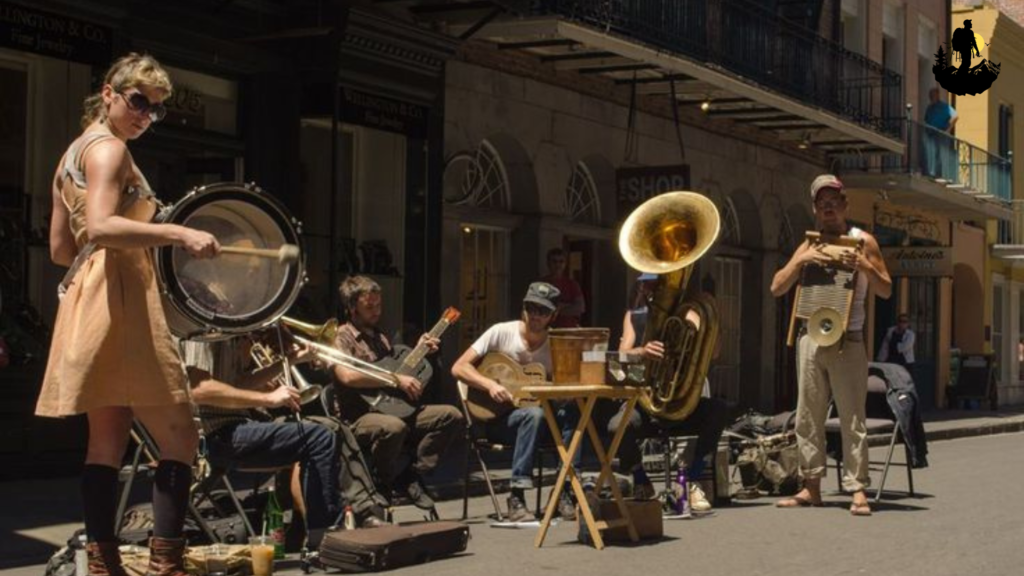
New Orleans Underground Jazz and Alternative Performance Culture, Louisiana
New Orleans is famous for its traditional jazz heritage, but beneath the tourist filled streets lies a dynamic underground scene where musicians and performers reinterpret the city’s musical roots in bold new ways. Hidden courtyards, basement bars, and intimate art spaces host experimental jazz sessions, spoken word performances, and avant garde theater that blend history with innovation.
Walking through neighborhoods like Bywater or Marigny, visitors often hear music drifting from small venues tucked behind colorful facades. These performances feel spontaneous, with musicians improvising and interacting closely with the audience. Instruments range from classic brass horns to electronic effects, creating soundscapes that feel both timeless and futuristic.
Visual artists contribute to the atmosphere through handcrafted stage designs, murals, and costume art. Performers may incorporate dance, storytelling, and theatrical elements into live shows, turning each event into a unique experience. Underground parades sometimes emerge at night, featuring musicians and artists moving through streets in a celebration of creativity and community spirit.
The underground culture here thrives on collaboration. Musicians from different genres come together to experiment, blending jazz with funk, hip hop, and electronic influences. Small art collectives organize workshops in improvisation, painting, and mask making, inviting visitors to engage directly with the creative process.
Despite challenges such as changing neighborhoods and rising costs, New Orleans’ underground artists remain dedicated to preserving authenticity. Many events focus on storytelling, reflecting the city’s layered history and cultural resilience. Visitors often leave feeling connected to something deeply personal and alive.
Coordinates: Approximate location 29.9511° N, 90.0715° W, Bywater and Marigny districts
Best Photography Spots:
- Colorful street corners: Capture musicians performing under glowing streetlights.
- Hidden courtyard stages: Natural lighting adds warmth to portraits.
- Nighttime parades: Motion shots highlight movement and energy.
- Vintage interiors: Wooden floors and brass instruments create timeless compositions.
Why It Is So Special
New Orleans’ underground creative culture merges tradition with fearless experimentation. The music feels alive, evolving with every performance while honoring its roots. For travelers seeking authentic artistic experiences, these hidden spaces reveal the true heartbeat of the city.
Weather: Hot humid summers, mild winters
Best Season to Visit: Winter and early spring
Budget: $110 to $240 per night nearby
Best Food Nearby: Creole dishes, po boys, beignets at local cafes
Best Places to Stay: Historic guesthouses, boutique inns, colorful neighborhood rentals
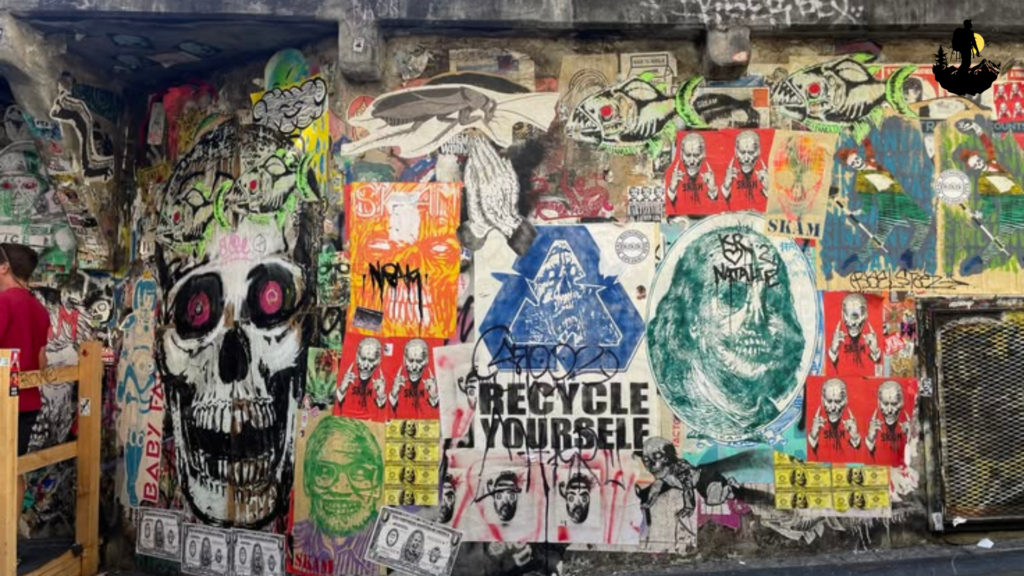
Seattle’s Underground Grunge Revival and Experimental Digital Art Scene, Washington
Seattle’s creative identity has always embraced alternative culture, and its underground art and music communities continue to evolve through a mix of grunge heritage and cutting edge digital experimentation. In neighborhoods like Capitol Hill and Georgetown, hidden venues and artist run studios host performances that blend analog sounds with futuristic visuals.
Live music remains at the heart of Seattle’s underground culture. Small basement venues feature indie rock, ambient soundscapes, and experimental electronic acts that draw inspiration from the city’s iconic grunge era. Musicians often collaborate with visual artists who project animated graphics or abstract films onto walls, creating immersive audiovisual experiences.
Digital art collectives push creative boundaries through interactive installations and virtual reality exhibitions. Visitors might walk into a darkened warehouse and find themselves surrounded by motion sensors, glowing projections, and sound reactive sculptures. These spaces encourage exploration, allowing audiences to interact with art rather than simply observe it.
Street art in Seattle reflects themes of nature, technology, and social awareness. Murals appear along quiet streets and alleyways, blending urban imagery with Pacific Northwest landscapes. Independent coffee shops double as mini galleries, showcasing photography, zines, and handmade artwork created by local artists.
The underground community here values inclusivity and collaboration. Workshops in digital design, music production, and analog photography invite people of all skill levels to participate. Pop up markets and creative festivals celebrate independent makers, turning ordinary spaces into vibrant hubs of expression.
Coordinates: Approximate location 47.6062° N, 122.3321° W, Capitol Hill and Georgetown districts
Best Photography Spots:
- Neon lit basement stages: Low light adds dramatic mood to concert photography.
- Alleyway murals: Overcast skies create soft, balanced lighting.
- Rooftop art shows: Capture the skyline blending with creative installations.
- Coffee shop galleries: Warm interiors highlight local artwork.
Why It Is So Special
Seattle’s underground creative scene bridges past and future, honoring its musical roots while embracing digital innovation. The combination of music, technology, and community creates experiences that feel both nostalgic and forward thinking, making the city a unique destination for creative exploration.
Weather: Cool rainy winters, mild summers
Best Season to Visit: Late spring through early autumn
Budget: $130 to $260 per night nearby
Best Food Nearby: Artisan coffee, seafood chowder, indie bakery cafes
Best Places to Stay: Modern boutique hotels, creative hostels, cozy urban lofts
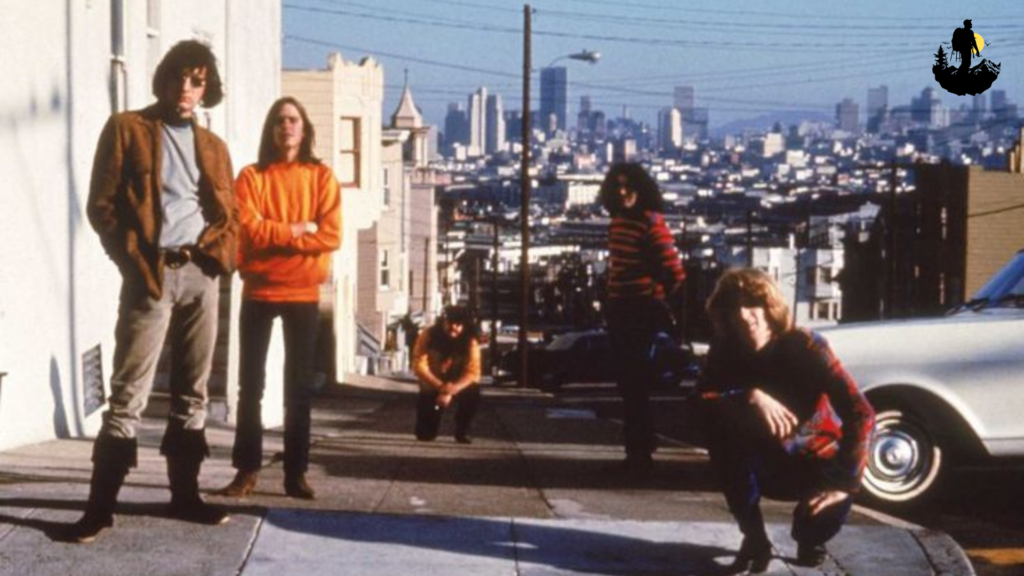
San Francisco’s Underground Experimental Art and Indie Sound Culture, California
San Francisco has always been a city of creative rebellion, and beneath its famous landmarks exists an underground scene shaped by independent artists, experimental musicians, and boundary pushing performers. Away from busy tourist areas, neighborhoods like the Mission District, Oakland’s art corridors across the bay, and hidden corners of SoMa host a constantly evolving network of DIY galleries, secret shows, and immersive art spaces that celebrate originality over commercial appeal.
Walking through the Mission District, you quickly notice layers of murals covering alleyway walls, each piece telling a story about identity, activism, or personal expression. While many murals are visible to the public, the real underground culture unfolds behind unmarked doors and upstairs lofts where artists gather to showcase experimental work. These spaces often feel intimate, filled with handmade installations, recycled materials, and collaborative projects that blur the line between visual art and performance.
Music plays a powerful role in shaping the underground atmosphere. Indie bands, noise musicians, and electronic producers perform in small venues where audiences stand just a few feet from the stage. Instead of polished lighting rigs, many events use projected visuals or analog film loops to create a dreamlike environment. Improvisation is common, with artists experimenting freely and inviting other musicians to join spontaneous jam sessions.
The underground creative community in San Francisco thrives on diversity and cross cultural collaboration. Artists draw inspiration from technology, counterculture history, and environmental themes, often incorporating digital elements into their work. Interactive installations might respond to sound or movement, turning viewers into participants rather than passive observers. Independent filmmakers screen short experimental films in warehouse spaces, sometimes accompanied by live musical scores that transform each screening into a one of a kind event.
Nighttime reveals another layer of creativity. Rooftop performances overlook the glowing skyline, while underground dance parties bring together DJs, performance artists, and visual designers. The atmosphere feels open minded and exploratory, encouraging attendees to dress creatively and express themselves freely. Many events prioritize inclusivity and safe spaces, reinforcing a sense of community that extends beyond individual art forms.
Despite rising living costs and shifting neighborhoods, underground artists continue to adapt. Pop up galleries appear in unexpected locations such as vintage clothing stores or shared studio spaces. Creative collectives organize daytime workshops in screen printing, experimental photography, and analog synthesizer building, helping new artists develop skills while maintaining the city’s independent spirit.
Technology also shapes San Francisco’s underground art culture in unique ways. Projection mapping, augmented reality experiments, and immersive sound installations often blend with traditional painting or sculpture. This fusion of old and new reflects the city’s identity as a place where innovation meets artistic rebellion. Visitors exploring these hidden spaces often discover work that challenges conventional ideas about what art and music can be.
Coordinates: Approximate location 37.7599° N, 122.4148° W, Mission District and SoMa creative zones
Best Photography Spots:
- Clarion Alley murals: Colorful political artwork creates striking urban compositions.
- Warehouse projection shows: Long exposure shots capture light and motion in unique ways.
- Rooftop art gatherings: Skyline views combined with performance art make dramatic visuals.
- Hidden stairway galleries: Natural shadows and textured walls add depth to portraits.
Why It Is So Special
San Francisco’s underground creative scene blends activism, technology, and artistic freedom into a culture that feels constantly alive. Artists experiment without boundaries, audiences engage directly with the work, and collaboration becomes the driving force behind innovation. For travelers seeking authentic creative experiences, discovering a hidden gallery or secret performance here offers a glimpse into a world where imagination leads and rules are rewritten.
Weather: Cool foggy mornings, mild sunny afternoons year round
Best Season to Visit: Late summer and early autumn for clearer skies and outdoor art events
Budget: $160 to $320 per night nearby
Best Food Nearby: Mission style burritos, artisan bakeries, plant based cafes
Best Places to Stay: Boutique hotels in the Mission District, modern loft style stays, creative hostels near downtown
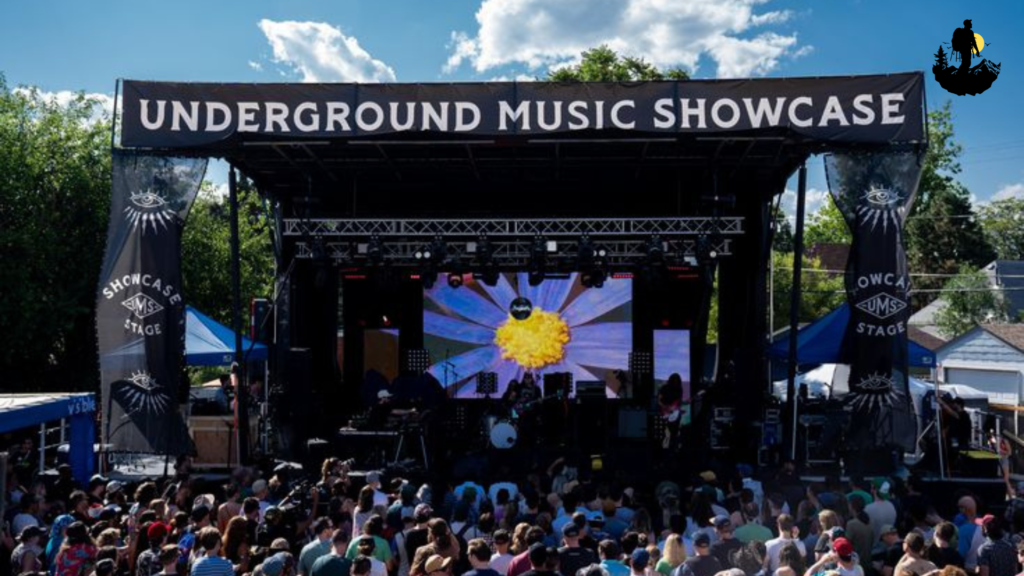
Tips for Exploring America’s Underground Art, Music, and Creative Scenes
Exploring underground creative spaces requires a different mindset than visiting mainstream attractions. These scenes thrive on authenticity, community respect, and curiosity, so approaching them thoughtfully can make your experience more meaningful. One of the most important tips is to research local collectives and independent event pages rather than relying only on large travel platforms. Underground events are often shared through social media groups, community boards, or artist networks, which means a little extra effort can lead to unforgettable discoveries.
Arriving with an open mind is essential. Underground art and music rarely follow traditional rules, and that unpredictability is part of what makes it exciting. You might attend an experimental sound performance one night and find yourself in an immersive projection art installation the next. Instead of expecting polished perfection, focus on the creativity and emotion behind the experience. Many underground artists value experimentation over commercial success, so every show or gallery feels unique.
Respecting the space and the people who create it is equally important. Many underground venues operate independently and rely on community support to survive. Buying merchandise, tipping performers, or simply engaging with artists after a show helps sustain these creative ecosystems. Photography is often welcome, but always ask for permission before taking close up portraits or filming performances. Some artists prefer their work to remain intimate and undocumented, which adds to the authenticity of the environment.
Timing also plays a major role in discovering the best experiences. Early evening events may offer a relaxed atmosphere where you can talk with creators, while late night gatherings tend to be more energetic and immersive. If you enjoy photography, visit mural districts in the morning or late afternoon when lighting is softer and crowds are smaller. Planning your schedule around local art walks or neighborhood festivals can introduce you to underground spaces that might otherwise be hard to find.
Comfort and flexibility matter as well. Underground venues are often located in repurposed warehouses, basements, or outdoor spaces, so dress casually and be prepared for changing environments. Bringing a light jacket, portable phone charger, and comfortable shoes can make a big difference, especially if you plan to explore multiple neighborhoods in one night. Many creative districts are best experienced on foot, allowing you to stumble upon hidden galleries or street performances along the way.
Another helpful tip is to connect with locals. Baristas, independent shop owners, and gallery volunteers often know about upcoming shows or secret pop ups that are not widely advertised. Engaging in conversations can lead to invitations or insider recommendations that transform your trip into something far more personal. Supporting small businesses within creative neighborhoods also helps maintain the cultural energy that makes underground scenes thrive.
Finally, approach each experience with patience. Underground creativity evolves constantly, and not every event will feel perfect. Sometimes the most memorable moments come from unexpected encounters, such as a spontaneous rooftop performance or an improvised art installation. Allow yourself to explore without rigid expectations, and you will likely discover a deeper appreciation for the raw energy that defines America’s underground artistic culture.
Conclusion
America’s underground art, music, and creative scenes reveal a side of culture that exists beyond polished stages and mainstream recognition. These hidden communities serve as laboratories of innovation where artists experiment freely, audiences connect more intimately, and ideas develop long before they reach wider audiences. From warehouse galleries in Brooklyn to experimental music spaces in Los Angeles and indie film collectives in Portland, each city offers its own interpretation of what underground creativity can be.
What makes these scenes truly powerful is their sense of community. Artists collaborate across disciplines, blending music with visual art, digital technology with performance, and tradition with modern experimentation. Visitors often discover that underground spaces feel less like entertainment venues and more like shared experiences shaped by collective passion. The atmosphere encourages exploration, allowing individuals to step outside familiar creative boundaries and engage with art on a deeper level.
Another defining feature of underground culture is its adaptability. As cities change and creative spaces shift, artists continue to reinvent how and where they express themselves. Pop up galleries, secret shows, and collaborative studios emerge in unexpected places, proving that creativity cannot be confined to a single location or format. This constant evolution keeps underground scenes alive, offering something new with every visit.
For travelers and creative enthusiasts, exploring these hidden worlds can be both inspiring and transformative. The intimacy of small performances, the authenticity of DIY art spaces, and the diversity of voices represented create experiences that feel genuine and personal. Rather than simply observing art, visitors become part of the atmosphere, contributing to the energy that makes each moment unique.
Ultimately, America’s underground creative culture reminds us that art does not need massive stages or commercial recognition to be meaningful. It thrives wherever people gather to share ideas, experiment fearlessly, and express themselves honestly. By supporting independent artists and approaching these spaces with curiosity and respect, travelers can discover a vibrant network of creativity that continues to shape the future of art and music in unexpected ways.
🌿 Sources & References
- Travel & Adventure – National Geographic
- Outdoor Recreation – REI Expert Advice
- Leave No Trace Principles
- Nature Conservation – WWF
- U.S. National Parks – NPS
- Sustainable Tourism – UNWTO
- Wilderness Safety – American Red Cross
- Outdoor Health Benefits – NIH
- Travel Health – CDC
- Ecotourism – The International Ecotourism Society