America’s Best Seasonal Hidden Destinations
America hides some of its most beautiful places far from busy highways and social media hotspots. These destinations shine brightest in specific seasons, rewarding travelers who plan with patience and curiosity. From misty waterfalls that glow with rainbows to quiet desert valleys blooming after winter rains, seasonal hidden spots offer experiences that feel personal and unfiltered. They are places where nature sets the pace, crowds thin out, and every sound feels sharper and more meaningful. Visiting them at the right time transforms a simple trip into a memory that lingers long after you return home.
Below are some seasonal hidden destinations usa that reveal their true magic only when the season is just right.
America’s Best-Kept Seasonal Secrets
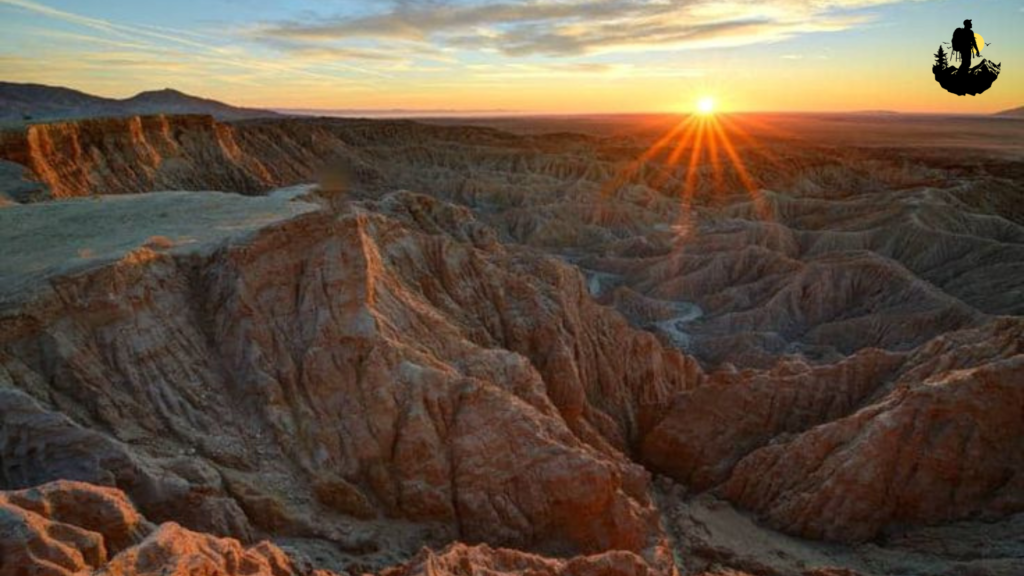
Anza-Borrego Desert State Park, California
Anza-Borrego Desert State Park feels vast, silent, and otherworldly for most of the year. Stretching across southeastern California, it is a land of sculpted canyons, wind-carved badlands, and endless horizons. But after a wet winter, something extraordinary happens. Spring arrives, and the desert blooms.
For a brief window, the normally muted landscape explodes into color. Fields of desert sunflowers, sand verbena, and primrose spread across the valley floor. Purple, yellow, and pink blossoms create sweeping patterns that feel almost surreal against the sandy earth and rocky hills. This transformation lasts only weeks, sometimes days, making it one of America’s most dramatic seasonal spectacles.
Walking through Anza-Borrego during a bloom feels like discovering a secret. The park is massive, and visitors disperse easily, so even at peak bloom, you can often find stretches of trail where it feels like you are alone with the flowers and the sky. The air carries a faint sweetness, and bees move gently from bloom to bloom, adding life to the stillness.
The desert light is a photographer’s dream. Early mornings bring soft pastels, while late afternoons paint the landscape in warm golds and deep shadows. As the sun sets, the colors intensify, and when night falls, the park reveals another hidden treasure. Anza-Borrego is one of the best places in California for stargazing. With minimal light pollution, the Milky Way stretches clearly across the sky, creating a powerful contrast between delicate flowers below and infinite stars above.
Coordinates: Approximate location 33.2550° N, 116.3750° W, Borrego Springs, California
Best Photography Spots:
- Borrego Palm Canyon Trail: Captures flowers framed by rocky canyon walls.
- Coyote Canyon: Offers depth and leading lines with blooming valley floors.
- Sunset Valley areas: Perfect for wide-angle shots during golden hour.
- Night sky fields: Ideal for combining foreground flowers with astrophotography.
Why It Is So Special
Anza-Borrego’s beauty lies in its impermanence. The blooms depend entirely on rainfall, temperature, and timing. Some years, the desert stays quiet. Other years, it bursts into one of the most colorful displays in North America. This unpredictability makes witnessing a bloom feel like pure luck, a reminder of nature’s power and patience.
Visiting during spring transforms the desert from harsh and intimidating into gentle and welcoming. It challenges the idea that deserts are empty places and shows how life waits quietly for the right moment to emerge.
- Weather: Warm days, cool nights in spring
- Best Season to Visit: Late winter to early spring after good rainfall
- Budget: $70 to $180 per night in Borrego Springs
- Best Food Nearby: Casual cafes, date shakes, Southwestern dishes
- Best Places to Stay: Desert inns, eco-lodges, vacation rentals with mountain views
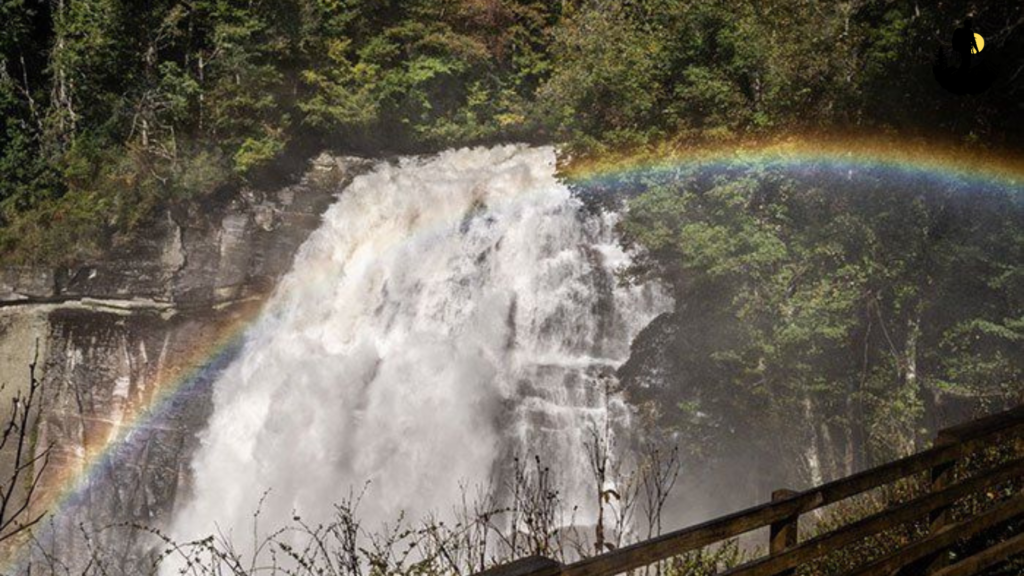
Rainbow Falls, North Carolina
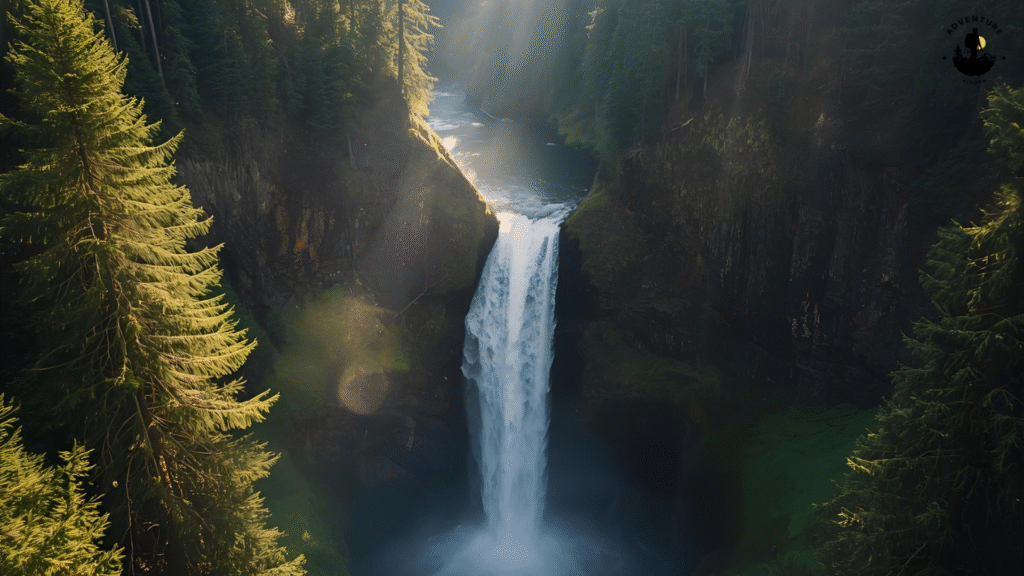
Rainbow Falls is one of those places that instantly makes you stop and take a deep breath. Water plunges dramatically over a wide rock face, spreading out before it lands in a crystal-clear pool below. The surrounding Appalachian forest feels ancient and alive. Moss clings to the trees, ferns carpet the ground, and towering hardwoods form a canopy that filters the morning light into soft, dappled patterns.
In the early hours, the only sounds are the steady rush of water, birdsong echoing through the trees, and the gentle movement of wind brushing the leaves. When sunlight filters through the mist created by the falling water, a delicate rainbow often forms at the base of the falls. This fleeting phenomenon gives Rainbow Falls its name and creates a moment that feels almost unreal, as if the forest is briefly revealing a secret meant only for those who arrive at the right time.
The hike to the falls plays a major role in its charm. The trail winds through thick forest, crossing streams and shaded paths that naturally slow your pace. Unlike heavily trafficked waterfalls, this journey filters out casual crowds. By the time you reach the overlook or lower pool, the atmosphere feels calm and personal. You are not just seeing a waterfall, you are stepping into a quiet rhythm shaped by water, light, and trees.
Coordinates: Approximate location 35.1890° N, 82.8030° W, located within Gorges State Park, western North Carolina
Best Photography Spots:
- Lower pool edge: Step back slightly to capture the full width of the falls and the rainbow forming in the mist.
- Left-side trail opening: Framing both sides of the waterfall with forest creates a naturally balanced composition.
- Upstream angle: Highlights the water as it curves toward the drop, especially stunning with long-exposure shots.
- Morning light position: Visit between mid-morning and late morning on sunny days for the most vivid rainbow.
Using a tripod is highly recommended. The shaded forest light pairs beautifully with slower shutter speeds, giving your photos a soft, ethereal quality.
Why It Is So Special
Rainbow Falls is more than just a waterfall; it is a moment of quiet wonder. Unlike popular, crowded waterfalls, this spot feels intimate and untouched. The rainbow appears only under specific conditions, turning each visit into a unique experience rather than a guaranteed spectacle. This sense of unpredictability makes the falls feel alive and personal, as though nature is offering a gift rather than performing on demand.
For many travelers, Rainbow Falls becomes less about checking off a destination and more about the feeling of standing still while the forest breathes around you. It invites reflection, calm, and a deeper appreciation for simple beauty that cannot be rushed.
- Weather: Mild summers, cool and misty mornings
- Best Season to Visit: Spring and early fall
- Budget: $60 to $150 per night nearby
- Best Food Nearby: Southern comfort food, fresh trout dishes, cornbread at local mountain diners
- Best Places to Stay: Cozy cabins near Brevard, small lodges, forest cottages
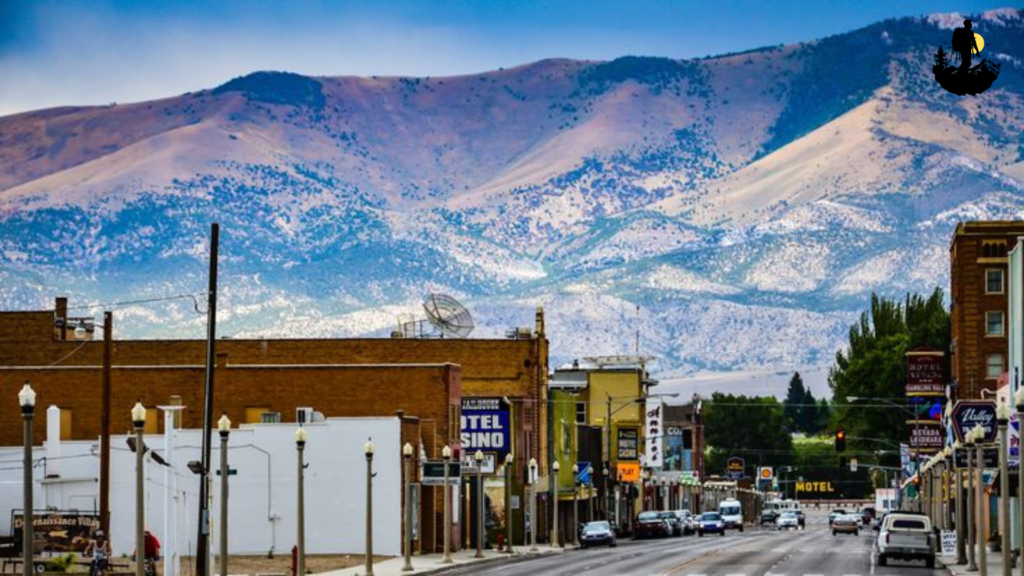
Great Basin National Park, Nevada
Great Basin National Park is one of America’s quietest and least-visited national parks, yet it holds some of the most profound natural contrasts in the country. Rising abruptly from the Nevada desert, the park is defined by the towering Snake Range, crowned by Wheeler Peak, and surrounded by vast, empty basins that stretch endlessly toward the horizon. What makes the Great Basin special is not a single attraction, but the way multiple worlds exist side by side, desert valleys, alpine forests, ancient caves, and some of the darkest night skies in the United States.
In summer, the park reveals its most accessible and gentle personality. Snow retreats from the higher elevations, opening trails that climb through groves of ancient bristlecone pines. These trees, some over 4,000 years old, grow twisted and weathered, shaped by centuries of wind, cold, and drought. Walking among them feels like stepping into a living museum, where time moves slower and human presence feels fleeting.
The contrast between elevations is striking. At the base, sagebrush plains shimmer in the heat, while just a few miles upward, cool mountain air carries the scent of pine and wildflowers. Alpine meadows bloom briefly, scattered with color before the short growing season ends. Streams fed by melting snow run clear and cold, adding a gentle soundtrack to hikes that feel remote and meditative.
One of the park’s most remarkable features lies beneath the surface. Lehman Caves, a marble cave system hidden within the mountain, offers a rare underground world of stalactites, stalagmites, and shield formations. Entering the caves provides a cool, silent contrast to the bright desert sun outside, reinforcing the park’s theme of extremes existing in harmony.
Coordinates: Approximate location 38.9833° N, 114.3000° W, eastern Nevada
Best Exploration Spots:
- Bristlecone Pine Trail: A high-elevation hike offering ancient trees and sweeping views of surrounding basins.
- Wheeler Peak Trail: The park’s most iconic hike, leading to Nevada’s second-highest peak.
- Lehman Caves: Guided tours reveal intricate formations and geological history.
- Alpine Lakes Basin: Ideal for quiet picnics and reflective moments surrounded by peaks.
Why It Is So Special
Great Basin feels untouched in a way few places still do. There are no nearby cities, no busy highways, and no crowds competing for space. The silence is real and deep. At night, the park becomes one of the best stargazing locations in the country. Without light pollution, the Milky Way appears bold and textured, filling the sky from horizon to horizon.
Seasonal access adds to the magic. Summer is the brief moment when all elevations open at once, allowing visitors to experience desert heat, mountain cool, and ancient forests in a single day. It is a reminder of how diverse and layered the American landscape truly is.
- Weather: Warm days, cool nights
- Best Season to Visit: June through September
- Budget: $50 to $130 per night nearby
- Best Food Nearby: Simple diners, local steakhouses, hearty mountain meals
- Best Places to Stay: Rustic motels in Baker, campgrounds, small lodges
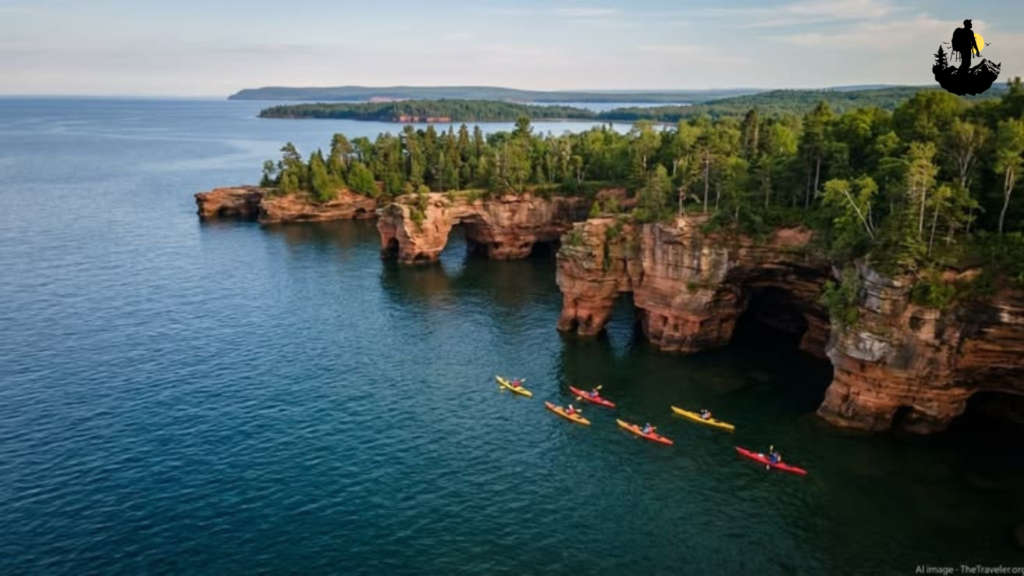
Apostle Islands, Wisconsin
The Apostle Islands feel like a quiet edge of the world, scattered across the cold, clear waters of Lake Superior. This chain of 21 islands is known for dramatic sandstone cliffs, sea caves, dense forests, and historic lighthouses that once guided ships through unpredictable waters. While summer brings kayakers and boaters, winter transforms the islands into something truly extraordinary.
When temperatures drop and Lake Superior freezes just enough, the famous sea caves become accessible on foot. Massive ice formations cling to the cliffs, forming arches, icicles, and frozen curtains that shimmer in shades of blue and white. The soundscape changes completely. Wind hums through ice, footsteps crunch softly on frozen surfaces, and the usual movement of water falls silent.
Walking along the frozen shoreline feels surreal. The scale of the ice caves is humbling, with towering walls rising above you like natural cathedrals. Sunlight filters through translucent ice, casting soft blue light that shifts throughout the day. Each cave looks different depending on temperature, light, and recent weather, making every visit unique.
Despite their beauty, the islands remain uncrowded even in peak winter conditions. Access requires careful planning and respect for safety conditions, which naturally limits numbers. This sense of earned discovery adds to the experience. You are not just sightseeing; you are witnessing a rare moment when nature allows entry into a normally inaccessible world.
Coordinates: Approximate location 46.7700° N, 90.8000° W, northern Wisconsin
Best Exploration Spots:
- Mainland Sea Caves near Meyers Beach: The most accessible winter ice formations.
- Sand Island Cliffs: Known for dramatic ice buildup and towering cave walls.
- Lighthouse Views: Historic structures framed by snow and frozen shoreline.
- Shoreline Walks: Ideal for wide-angle winter photography.
Why It Is So Special
The Apostle Islands in winter exist in a narrow window of possibility. Conditions must be just right for the ice to form safely. This rarity turns each season into a waiting game, making success feel like a reward rather than a guarantee. The frozen caves are temporary art, reshaped constantly by wind, cold, and thaw.
The experience also reframes how people see the Midwest. Instead of flat landscapes, visitors encounter grandeur, power, and delicate beauty shaped by freshwater rather than ocean tides. It is a reminder that some of America’s most dramatic scenery appears where few expect it.
- Weather: Cold, icy, often below freezing
- Best Season to Visit: Mid to late winter when ice conditions allow
- Budget: $70 to $160 per night nearby
- Best Food Nearby: Comfort food, fish chowder, local bakeries
- Best Places to Stay: Inns in Bayfield, lakeside cabins, winter-ready lodges
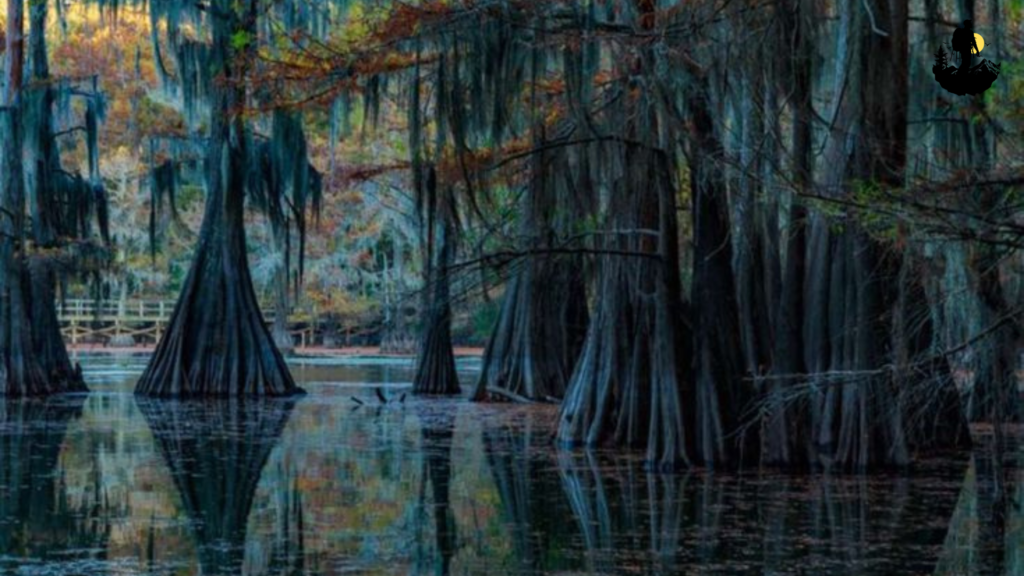
Caddo Lake, Texas and Louisiana
Caddo Lake feels less like a lake and more like a dream suspended in water. Located along the Texas and Louisiana border, it is one of the only natural lakes in the state and one of the largest flooded cypress forests in the United States. The defining feature of Caddo Lake is its ancient bald cypress trees, their roots rising from the dark water like sculptures, draped in Spanish moss that sways gently in the breeze.
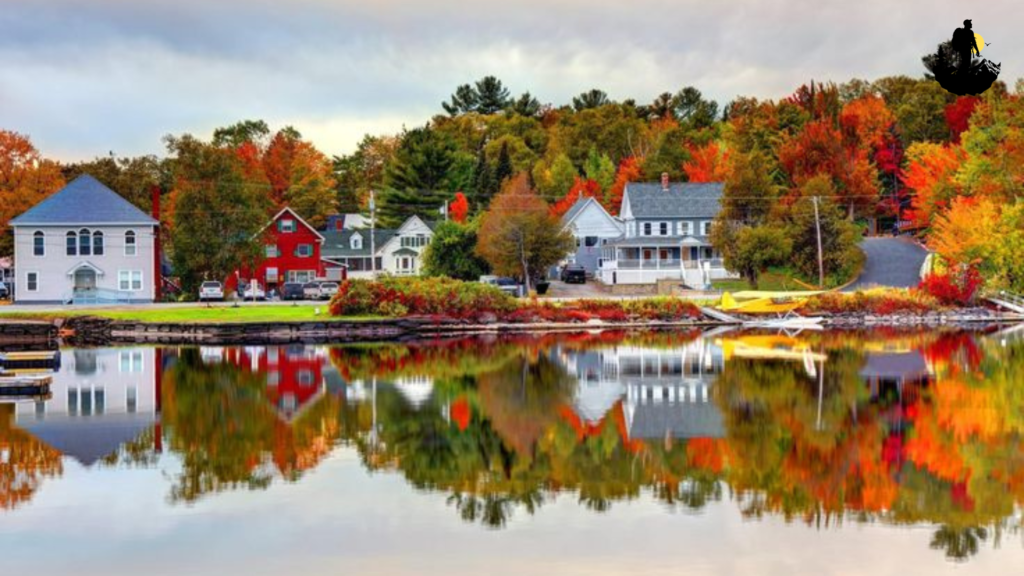
Autumn is when Caddo Lake reveals its most haunting beauty. As temperatures cool, the cypress needles turn warm shades of copper, rust, and gold. These colors reflect perfectly on the still water, creating mirrored scenes that feel almost unreal. Morning fog often settles low across the lake, blurring the line between water and sky.
Exploring Caddo Lake is best done slowly. Canoes and kayaks glide quietly through narrow bayous, where sunlight filters through moss and branches. The silence is broken only by birds calling and the soft splash of paddles. Wildlife sightings are common, herons stalking the shallows, turtles resting on logs, and occasional alligators slipping silently beneath the surface.
Unlike more famous wetlands, Caddo Lake remains deeply personal. Development is minimal, and much of the shoreline feels unchanged for generations. This preservation gives the lake a timeless quality, as though it exists slightly outside modern life.
Coordinates: Approximate location 32.7540° N, 94.1740° W, eastern Texas
Best Exploration Spots:
- Big Cypress Bayou: Dense tree tunnels with dramatic reflections.
- Saw Mill Pond: Known for still water and intense fall color.
- Moss-lined Channels: Ideal for intimate paddling and photography.
- Sunrise Launch Points: Capture fog and soft autumn light.
Why It Is So Special
Caddo Lake’s magic lies in its atmosphere rather than spectacle. There are no grand peaks or crashing waterfalls. Instead, beauty unfolds quietly, through reflection, color, and stillness. Fall enhances this mood, adding warmth and depth without disturbing the calm.
The lake encourages patience and presence. Moving slowly reveals details that rushed travelers might miss, ripples in reflections, subtle shifts in light, and the quiet rhythm of life in the swamp. It is a place that rewards those who are willing to linger.
- Weather: Mild days, cool mornings
- Best Season to Visit: October through early November
- Budget: $80 to $180 per night nearby
- Best Food Nearby: Southern classics, catfish, cornbread
- Best Places to Stay: Lakeside cabins, small inns, rustic lodges
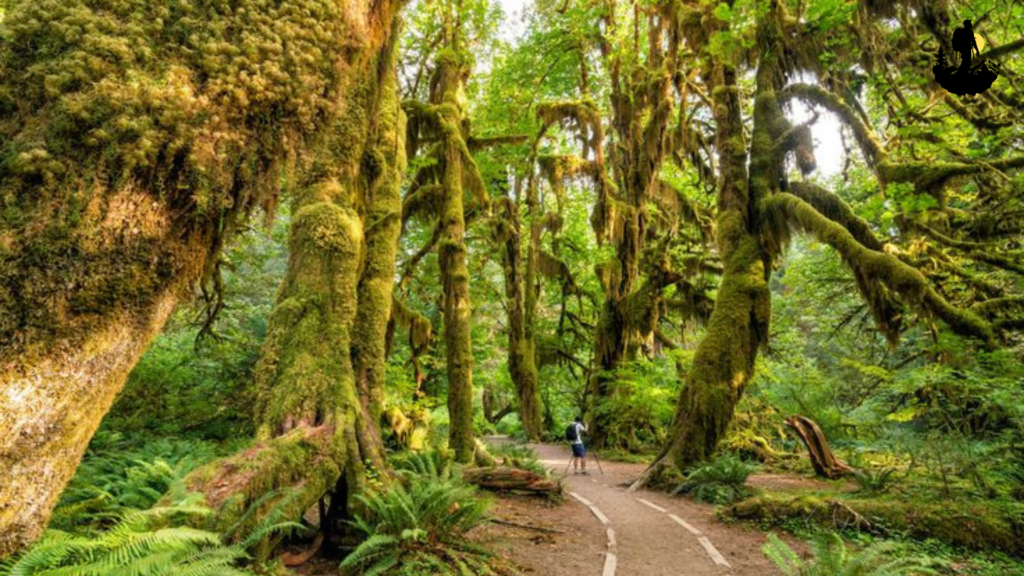
Hoh Rain Forest, Washington
The Hoh Rain Forest feels like a world suspended in perpetual twilight. Tucked within Olympic National Park, this temperate rainforest is one of the greenest places in the United States, receiving over twelve feet of rain annually. While summer draws the most visitors, it is late fall and winter that reveal the forest’s deepest character. During this season, mist hangs low, moss glows brighter, and the forest seems to breathe quietly around you.
Towering Sitka spruce and western hemlock rise skyward, their trunks wrapped in thick layers of moss that drip gently after rainfall. Fallen logs become nurseries for new life, carpeted in ferns and fungi. The ground feels soft and alive underfoot, absorbing sound and creating an almost sacred silence. Even simple footsteps feel intrusive, encouraging slower movement and mindful presence.
Rain defines the winter experience here, but it never feels harsh. Instead, it arrives as a steady, soothing rhythm. Droplets slide from leaf to leaf, gathering and releasing in quiet intervals. Fog weaves between trees, revealing and concealing the forest in turns. This constant motion gives the rainforest an ever-changing personality, no two moments looking exactly the same.
Wildlife becomes more noticeable in the quieter months. Roosevelt elk often appear along riverbanks, their breath visible in the cold air. Birds move deliberately through the canopy, and banana slugs emerge across trails, their bright yellow bodies standing out against deep green surroundings. The lack of crowds makes these encounters feel intimate rather than accidental.
Coordinates: Approximate location 47.8600° N, 123.9340° W, western Washington
Best Exploration Spots:
- Hall of Mosses Loop: A short trail offering the densest moss coverage and iconic rainforest scenery.
- Hoh River Trail: Follows glacial-blue water through forest and gravel bars.
- Spruce Nature Trail: Combines old-growth trees with riverside views.
- Rainy Day Walks: Ideal for capturing mist, reflections, and saturated color.
Why It Is So Special
Winter strips away distraction. Without summer crowds, the Hoh Rain Forest becomes contemplative and deeply immersive. The colors intensify, greens deepen, browns warm, and silvers appear in water and sky. This is not a place for rushing or checking boxes. It is a place to exist quietly within a living ecosystem that feels ancient and self-contained.
Visiting in winter changes how you perceive rain. Instead of inconvenience, it becomes a vital presence, shaping every sound, texture, and scent. The forest feels alive in a way that can only be experienced when you surrender to its pace.
- Weather: Cool, wet, misty
- Best Season to Visit: Late fall through winter
- Budget: $90 to $200 per night nearby
- Best Food Nearby: Seafood chowders, hearty breakfasts, local bakeries
- Best Places to Stay: Cabins near Forks, forest lodges, small inns
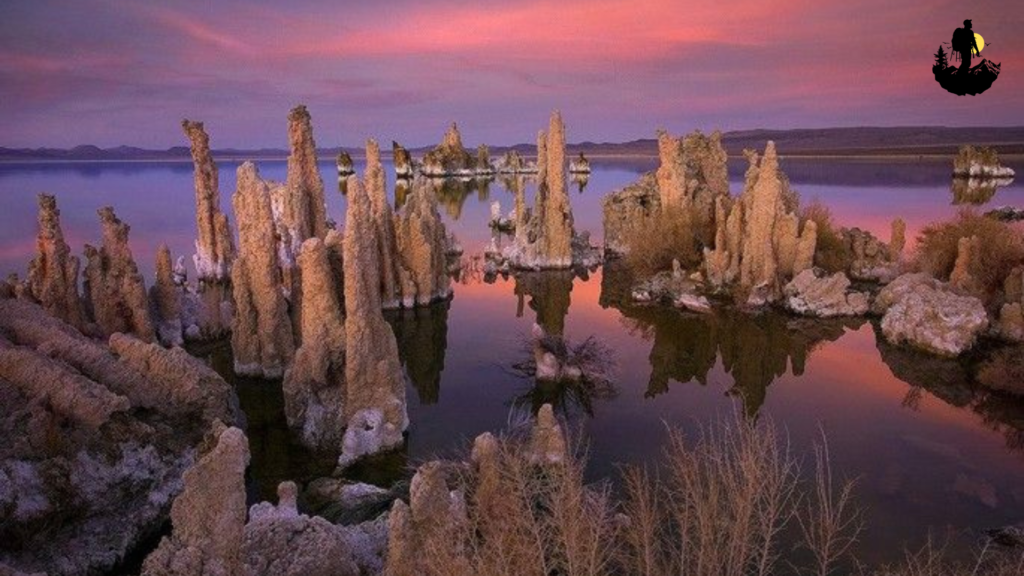
Mono Lake, California
Mono Lake feels like an unfinished planet. Located east of the Sierra Nevada, this ancient saline lake is older than most lakes on Earth, with a landscape that feels both stark and quietly dramatic. Summer brings visitors, but winter reveals Mono Lake’s most surreal and introspective side.
As temperatures drop, snow blankets the surrounding hills, creating a striking contrast against the lake’s steel-blue water. Limestone tufa towers rise from the shoreline like frozen sculptures, their rough textures catching soft winter light. Steam often rises where warmer water meets cold air, adding an ethereal quality to the scene.
The silence in winter is profound. Winds sweep gently across open water, and distant mountains feel closer without the haze of heat. Birdlife becomes the primary movement. Mono Lake is a critical stop for migratory birds, and winter brings flocks of gulls and waterfowl that dot the water and sky. Their calls echo across the basin, adding sound without breaking the stillness.
Walking along the shoreline feels meditative. Ice forms at the edges, cracking softly as waves move beneath. The air is crisp and dry, carrying a faint mineral scent. Every detail stands out more sharply in winter, from the ripples in the water to the shadows cast by tufa formations.
Coordinates: Approximate location 37.9735° N, 119.0328° W, eastern California
Best Exploration Spots:
- South Tufa Area: The most dramatic limestone formations framed by snow.
- Mono Lake Boardwalk: Easy access to shoreline views and winter bird activity.
- Sunrise Points: Soft light reflects off tufa and ice for striking compositions.
- Night Shoreline: Exceptional for stargazing and long exposures.
Why It Is So Special
Mono Lake in winter feels raw and honest. Without summer’s brightness, the landscape shows its true structure and age. The absence of crowds allows you to absorb the lake’s scale and history without distraction. It feels less like visiting a destination and more like observing a natural phenomenon in progress.
The combination of cold air, ancient water, and geological formations creates a sense of timelessness. Mono Lake does not try to impress. It simply exists, and winter allows you to witness that existence in its purest form.
- Weather: Cold, dry, snowy at times
- Best Season to Visit: December through February
- Budget: $80 to $170 per night nearby
- Best Food Nearby: Mountain cafés, warm soups, local comfort food
- Best Places to Stay: Lodges in Lee Vining, cozy motels, winter cabins
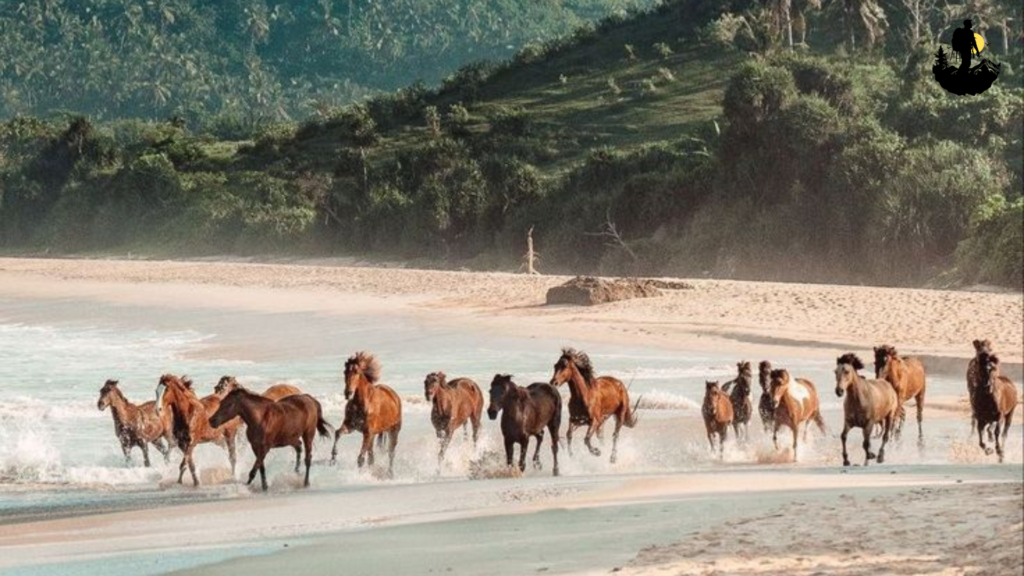
Cumberland Island, Georgia
Cumberland Island feels untouched by urgency. As Georgia’s largest barrier island, it is known for wild horses, maritime forests, and undeveloped beaches stretching for miles. While summer brings heat and insects, winter reveals the island’s quiet elegance and subtle beauty.
Cool air transforms long walks into effortless journeys. The beaches feel endless and empty, with smooth sand marked only by bird tracks and gentle wave patterns. Driftwood piles along the shore, sculpted by tide and time. The ocean appears softer in winter, its colors muted and reflective rather than bright and restless.
Inland, maritime forests come alive with texture. Twisted oak trees arch overhead, their branches draped in Spanish moss that moves slowly in coastal breezes. Without thick summer foliage, light filters more freely, creating long shadows and layered depth. Palmettos and undergrowth frame sandy trails that invite unhurried exploration.
Wild horses roam freely across dunes and meadows, their movements calm and deliberate. Winter makes sightings more frequent, as cooler temperatures encourage daytime activity. Observing them from a distance feels like stepping into another era, one where nature exists without fences or schedules.
Coordinates: Approximate location 30.8570° N, 81.4530° W, coastal Georgia
Best Exploration Spots:
- Dungeness Ruins: Historic mansion remains framed by winter light.
- Maritime Forest Trails: Ideal for quiet walking and wildlife observation.
- North End Beaches: Wide, empty shoreline with dramatic skies.
- Salt Marsh Edges: Subtle colors and reflections at low tide.
Why It Is So Special
Winter strips Cumberland Island down to its essence. Without crowds, the island feels deeply personal. The absence of modern development allows natural rhythms to dominate, tides, wind, animal movement, and light.
This season highlights the island’s balance between wildness and calm. It is not dramatic in the way mountains or deserts are. Instead, its power lies in stillness, space, and continuity. Visiting in winter feels like borrowing the island for a while, knowing it will remain long after you leave.
- Weather: Cool, breezy, mild
- Best Season to Visit: December through February
- Budget: $100 to $220 per night nearby
- Best Food Nearby: Coastal Southern dishes, seafood stews
- Best Places to Stay: Inns on the mainland, eco-lodges, small coastal hotels
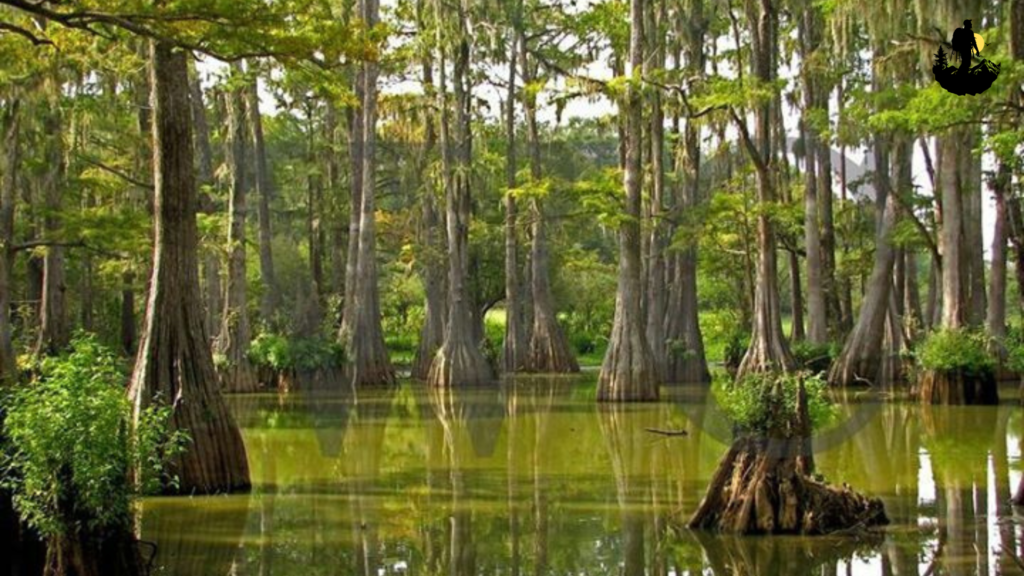
Congaree National Park, South Carolina
Congaree National Park is a place that reveals itself slowly. Located in central South Carolina, it protects the largest remaining tract of old-growth bottomland hardwood forest in the United States. At first glance, it may seem quiet and understated, especially compared to dramatic mountain parks or desert landscapes. But arrive in late spring, and Congaree transforms into one of the most magical seasonal destinations in America.
The forest here is built on water. Massive bald cypress and towering loblolly pines rise from floodplains shaped by the Congaree and Wateree Rivers. These trees are some of the tallest in the eastern United States, forming a canopy so high it feels cathedral-like. Boardwalks wind through the swampy terrain, allowing visitors to move gently above the forest floor, where water, leaves, and roots weave together into a living mosaic.
Late May through early June brings Congaree’s most extraordinary phenomenon. As night falls, synchronous fireflies emerge from the forest understory. Thousands of tiny lights begin flashing in unison, pulsing softly through the darkness. Unlike random firefly displays seen elsewhere, this synchronized rhythm feels deliberate and otherworldly, like a natural light show choreographed by the forest itself.
Standing still in the darkness, surrounded by tall trees and glowing patterns of light, the experience feels intimate and surreal. The air is warm and heavy with the scent of earth and water. Frogs call from hidden pools, and the forest hums quietly around you. The fireflies do not perform for long each night, making the experience fleeting and precious.
During the day, Congaree offers a different but equally compelling mood. Sunlight filters through layers of leaves, casting shifting patterns on the boardwalks. Reflections shimmer in slow-moving water, and fallen logs host mosses and fungi that thrive in the humid environment. The forest feels ancient, shaped more by seasonal floods than by human intervention.
Coordinates: Approximate location 33.7919° N, 80.7800° W, central South Carolina
Best Exploration Spots:
- Boardwalk Loop Trail: Provides easy access through the heart of the old-growth forest.
- Weston Lake Loop: Offers quieter sections with still water reflections and birdlife.
- River Bluffs: Slight elevation changes reveal a different forest perspective.
- Night Viewing Areas: Designated sections during firefly season for optimal visibility.
Why It Is So Special
Congaree’s magic lies in its subtlety. There are no sweeping vistas or dramatic cliffs. Instead, beauty unfolds through rhythm and repetition, water rising and falling, trees stretching skyward, and insects flashing in perfect time. The synchronous fireflies are a reminder that some of nature’s most astonishing displays are also the most delicate.
Seasonality is everything here. Outside of firefly season, Congaree remains peaceful and uncrowded, but witnessing the lights transforms the forest into something unforgettable. Because the display depends on temperature, humidity, and timing, each year feels slightly different. Seeing it feels less like attending an event and more like being allowed into a moment that nature chooses to share.
Congaree also challenges assumptions about Southern landscapes. Often overlooked in favor of beaches or mountains, this floodplain forest shows how rich and complex lowland ecosystems can be. It is a place that rewards patience, quiet observation, and respect for natural cycles.
- Weather: Warm, humid evenings, mild days
- Best Season to Visit: Late May to early June for fireflies
- Budget: $70 to $160 per night nearby
- Best Food Nearby: Southern comfort food, barbecue, local diners
- Best Places to Stay: Small hotels in Columbia, riverside cabins, quiet inns
Seasonal Travel Tips for Discovering America’s Hidden Destinations
Exploring seasonal hidden destinations requires a different mindset than visiting famous landmarks. These places reward patience, awareness, and flexibility, and planning well can make the difference between a good trip and a truly unforgettable one.
Time your visit carefully. Seasonal destinations depend heavily on natural conditions. Wildflowers bloom only after the right rainfall, waterfalls shine brightest after snowmelt, and fireflies appear within narrow windows. Research recent weather patterns rather than relying only on average seasons. Arriving slightly earlier or later than peak dates can mean fewer crowds while still capturing the magic.
Start your days early and end them slowly. Hidden places reveal their best moments in quiet hours. Early mornings bring soft light, mist, wildlife movement, and calm atmospheres. Evenings offer reflection, golden tones, and peaceful transitions into night. Avoid rushing from one spot to another. These destinations are about presence, not checklists.
Pack for change, not comfort alone. Seasonal environments shift quickly. Temperatures can swing dramatically between day and night, especially in deserts, mountains, wetlands, and coastal regions. Waterproof layers, sturdy footwear, and extra warmth often matter more than convenience. A small backpack with water, snacks, and safety essentials allows longer, stress-free exploration.
Respect fragility and leave no trace. Many hidden destinations remain special because they are lightly visited. Stay on marked trails, avoid approaching wildlife, and never remove natural elements. Seasonal phenomena are especially delicate. Trampling wildflowers, touching ice formations, or disturbing nesting areas can permanently damage what makes these places rare.
Be flexible and patient. Nature does not follow schedules. Rain may obscure views, blooms may arrive late, or ice may never form. Treat unpredictability as part of the experience rather than a disappointment. Some of the most memorable moments come from unexpected weather, silence, or shifting light.
Choose local stays and food. Small inns, cabins, and locally owned restaurants deepen your connection to a place. Locals often share the best seasonal advice, current conditions, and quiet locations that maps overlook. Supporting local businesses also helps preserve these destinations and their communities.
Travel lightly and digitally disconnect. Limited service is common in remote areas. Download maps in advance and embrace being unreachable for a while. Without constant notifications, your attention naturally shifts toward sound, movement, and detail in the landscape, which is where these destinations truly shine.
Learn the land before you arrive. Understanding the natural history of a destination adds depth to what you see. Knowing how floodplains function, why deserts bloom, or how coastal ecosystems shift with seasons turns scenery into story. This awareness helps you notice details others may pass by and builds respect for the environment.
Travel with intention, not intensity. Hidden destinations are not designed for fast itineraries. Resist the urge to cover too much ground. Spending more time in one place allows you to witness subtle changes in light, weather, and wildlife behavior. This slower approach often leads to richer experiences and unexpected moments that rushed travel misses.
Conclusion: Why Seasonal Hidden Destinations Matter
Seasonal hidden destinations remind us that travel does not need spectacle to be meaningful. They show us that timing, patience, and awareness can transform ordinary landscapes into extraordinary experiences. Unlike popular attractions designed to impress instantly, these places ask something of the traveler. They ask you to slow down, to observe, and to accept nature on its own terms.
In a world shaped by constant updates and instant gratification, these destinations feel grounding. A waterfall that reveals its rainbow only in certain light, a desert that blooms only after rain, or a forest that glows briefly with fireflies teaches a quiet lesson. Beauty is not always available on demand. Sometimes it appears only when conditions align, and that rarity makes it precious.
Traveling seasonally also deepens respect for natural cycles. You begin to notice how weather, temperature, water, and time shape landscapes. A place visited in winter feels entirely different from the same place in summer. This awareness builds empathy for environments under pressure and encourages more thoughtful travel choices.
Hidden destinations foster personal connection rather than performance. Without crowds or curated viewpoints, experiences feel less like content and more like memory. You are not competing for space or attention. Instead, you are listening, watching, and participating in a moment that exists regardless of whether it is photographed or shared.
They also reconnect us with curiosity. Choosing lesser-known places means accepting uncertainty. There is joy in not knowing exactly what you will find, in discovering beauty through effort rather than algorithms. That sense of discovery, once common in travel, is becoming rare and therefore more valuable.
Ultimately, seasonal hidden destinations are not just about where you go, but how you go. They reward humility, preparation, and openness. They remind us that the most lasting journeys are often quiet ones, shaped not by landmarks, but by fleeting moments that stay with us long after the season has passed, leaving a deeper appreciation for timing, nature’s rhythms, and intentional travel choices.

🌿 Sources & References
- Travel & Adventure – National Geographic
- Outdoor Recreation – REI Expert Advice
- Leave No Trace Principles
- Nature Conservation – WWF
- U.S. National Parks – NPS
- Sustainable Tourism – UNWTO
- Wilderness Safety – American Red Cross
- Outdoor Health Benefits – NIH
- Travel Health – CDC
- Ecotourism – The International Ecotourism Society