Authentic American Roadside Culture Guide
America’s roadside culture tells the story of freedom, exploration, and small moments discovered between major destinations. Far from big cities and crowded tourist hubs, highways reveal neon-lit diners, historic motels, vintage gas stations, and quirky roadside attractions that reflect regional identity. Roadside culture usa is more than places to refuel. They are living museums of local traditions, music, food, and storytelling.
Traveling the open road offers a slower, more personal way to experience the country, where every exit leads to unexpected encounters and timeless Americana that continues to shape the spirit of travel.
Hidden Traditions Found Between Destinations
Cadillac Ranch, Texas
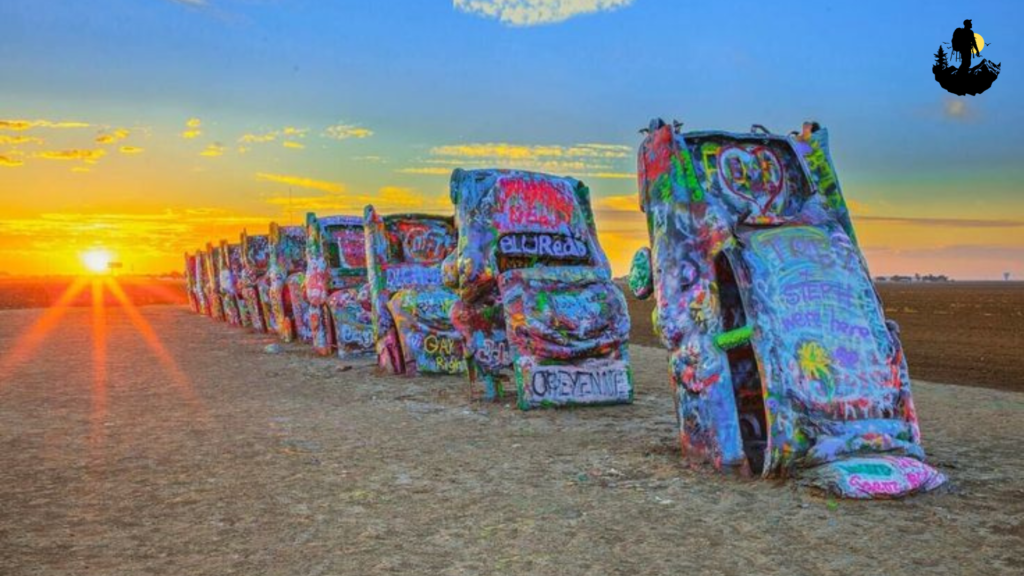
Cadillac Ranch sits just outside Amarillo along a quiet stretch of highway where the vast Texas sky seems endless. Ten classic Cadillacs are buried nose-first into the ground, tilted at identical angles like a surreal monument rising from the prairie. Created in 1974 by a group of artists known as the Ant Farm collective, the installation has become one of the most iconic symbols of American roadside art culture. Visitors arrive with spray paint in hand, leaving colorful layers of graffiti that constantly transform the cars into a living canvas.
The surrounding landscape feels intentionally empty. Wind moves across the flat fields, carrying the faint sound of passing trucks and the distant hum of the highway. Standing among the painted vehicles feels both playful and nostalgic. The cars represent the golden age of American road travel, when long highways and chrome-heavy automobiles defined freedom and adventure. Over the years, Cadillac Ranch has evolved into a cultural ritual where travelers contribute their own mark, making each visit different from the last.
Coordinates: Approximate location 35.1875° N, 101.9876° W, west of Amarillo, Texas
Best Photography Spots:
- Front alignment view: Stand directly in front of the cars to capture their uniform tilt against the wide horizon.
- Low ground angle: Shoot from near the grass to emphasize the scale of the vehicles against the sky.
- Sunset silhouette position: Late evening light creates dramatic shadows and vibrant color contrasts.
- Close-up paint details: Focus on layered graffiti textures to showcase decades of artistic expression.
- A wide lens helps capture both the installation and the expansive Texas landscape, highlighting the sense of openness that defines roadside culture.
Why It Is So Special
Cadillac Ranch Texas represents the intersection of art and travel. Unlike traditional museums, it invites participation and change. The freedom to paint on the cars turns every visitor into part of the creative process, reflecting the individualism that defines American road trips. The installation also symbolizes how highways shaped cultural identity, turning travel into an experience rather than just a means of getting somewhere.
Roadside culture in Texas often revolves around boldness and scale. Giant billboards, classic diners, and open landscapes create a sense of adventure that feels uniquely American. Cadillac Ranch captures that spirit by transforming a simple roadside stop into an evolving piece of cultural expression. Travelers often describe the experience as unexpectedly emotional, a reminder that even in the middle of nowhere, art and community can thrive.
Weather: Hot summers with strong sunlight, cool evenings in fall
Best Season to Visit: Spring and late autumn for comfortable temperatures
Budget: $70 to $160 per night in Amarillo motels and roadside inns
Best Food Nearby: Texas barbecue, smoked brisket sandwiches, classic roadside burgers
Best Places to Stay: Retro motels along historic highway routes, locally owned roadside lodges
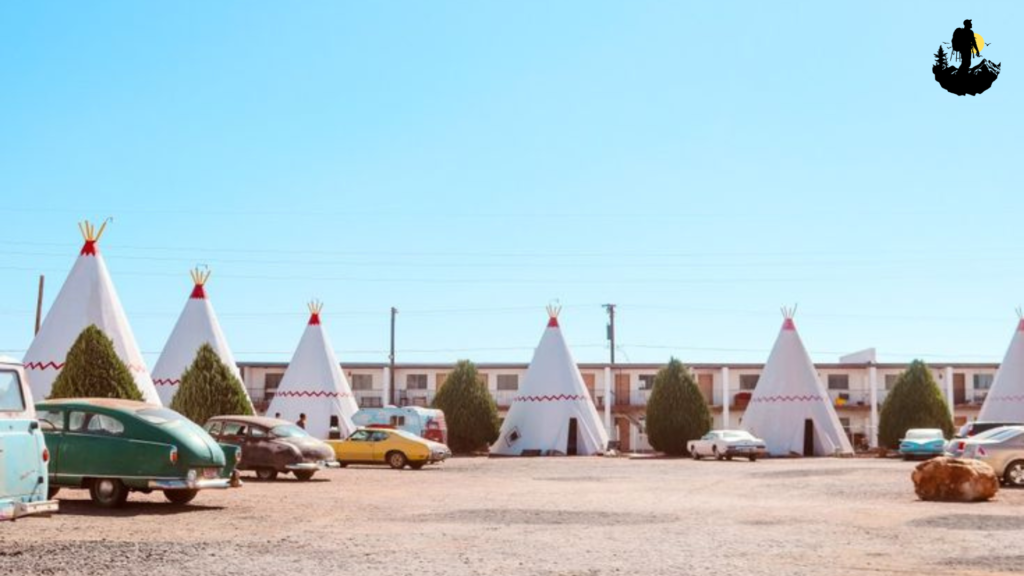
Wigwam Motel, Arizona
Along historic Route 66 in Holbrook stands the Wigwam Motel, a collection of teepee-shaped rooms that instantly transports visitors back to mid-century road travel. Built during the golden era of automobile tourism, the motel reflects a time when roadside attractions were designed to grab attention and create memorable experiences for travelers. Each concrete wigwam serves as a private room, surrounded by vintage cars and glowing neon signs that light up the desert night.
The atmosphere feels cinematic. As the sun sets over the Arizona desert, the warm glow of neon reflects against the curved surfaces of the wigwams, creating a nostalgic scene reminiscent of classic American road movies. The quiet hum of distant trains and the soft desert breeze add to the sense of timelessness. Travelers often gather outside to photograph the retro setting, sharing stories about their journeys along Route 66.
Coordinates: Approximate location 34.9023° N, 110.1580° W, Holbrook, Arizona
Best Photography Spots:
- Neon-lit evening angle: Capture the motel at dusk when the signs begin to glow against the darkening sky.
- Vintage car foreground: Frame the wigwams behind classic vehicles for a strong retro composition.
- Desert sunrise view: Early morning light highlights the warm tones of the concrete structures.
- Wide courtyard perspective: Stand at the entrance to photograph the symmetrical layout of the wigwams.
- Using a tripod helps during nighttime photography, allowing you to capture the vibrant neon colors without blur.
Why It Is So Special
The Wigwam Motel embodies the playful creativity that once defined American roadside stops. During the mid-20th century, motels competed for travelers’ attention by designing unusual buildings that turned overnight stays into memorable attractions. Staying in a wigwam-shaped room feels like stepping into a piece of living history, where architecture itself becomes part of the travel story.
Route 66 culture is deeply tied to themes of freedom, nostalgia, and reinvention. As highways changed and interstates replaced older roads, many roadside landmarks disappeared. The Wigwam Motel survived by embracing its uniqueness, becoming a symbol of preservation and heritage. Visitors often describe the experience as both whimsical and reflective, a reminder of how travel used to feel slower and more personal.
Beyond the architecture, the motel represents a broader culture of community among road travelers. Guests frequently share travel tips, recommend hidden diners, and exchange stories about the places they have discovered along the highway. This sense of connection reflects the heart of American roadside culture, where strangers become temporary neighbors united by the journey.
Weather: Dry desert climate with hot days and cool nights
Best Season to Visit: Early spring and late fall for mild temperatures
Budget: $80 to $170 per night depending on season
Best Food Nearby: Classic Route 66 diners, Navajo-inspired dishes, green chile burgers
Best Places to Stay: Retro motor lodges, historic Route 66 motels, small desert inns with vintage charm
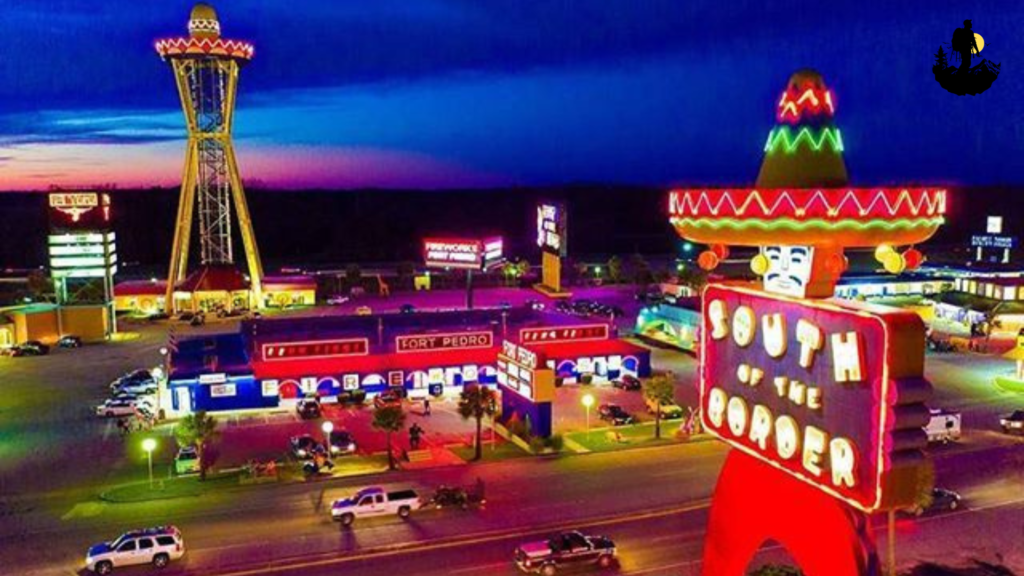
South of the Border, South Carolina
South of the Border rises from the roadside along Interstate 95 like a colorful mirage, filled with neon signs, oversized statues, souvenir shops, and retro attractions that reflect decades of American highway culture. Built in the 1950s as a simple beer stand near the North Carolina border, it slowly evolved into a sprawling roadside complex designed to capture the imagination of passing travelers. Today, the landmark stands as a living example of how roadside businesses once relied on creativity and humor to attract attention long before digital advertising existed.
Approaching the complex feels theatrical. Bright billboards appear miles before the exit, counting down the distance with playful slogans that build anticipation. Towering above everything is the Sombrero Tower, offering sweeping views of the surrounding flatlands and highways stretching into the horizon. The atmosphere mixes nostalgia with curiosity, creating a place where families, long-haul drivers, and road trip enthusiasts pause simply to experience something unusual.
Coordinates: Approximate location 34.4831° N, 79.3193° W, Dillon County, South Carolina
Best Photography Spots:
- Sombrero Tower base: Frame the colorful tower against the sky for a classic roadside image.
- Neon sign corridor: Capture rows of vintage signage during early evening light.
- Statue garden angle: Wide shots highlight the playful, oversized figures scattered across the grounds.
- Parking lot sunset view: Photograph passing trucks with the complex glowing in the background.
- A slightly wide lens works well here, helping capture the scale and eccentricity that define the location.
Why It Is So Special
South of the Border represents a specific era of American travel when roadside stops competed through spectacle. Before GPS and smartphones, travelers relied on visual cues and memorable attractions to decide where to stop. The playful advertising style created a sense of adventure, turning a simple highway break into an experience filled with humor and surprise. Even today, visitors often feel transported back to a time when road trips felt more spontaneous.
The culture surrounding this landmark reflects the diversity of American highways. Travelers from across the country converge here, bringing different accents, stories, and traditions. Conversations in the parking lot often revolve around where people started their journey and where they plan to go next. This sense of shared movement captures the essence of roadside art, where destinations matter less than the stories collected along the way.
Weather: Warm summers with occasional afternoon storms, mild winters
Best Season to Visit: Spring and autumn for comfortable temperatures
Budget: $60 to $140 per night at nearby highway motels
Best Food Nearby: Classic roadside tacos, barbecue plates, fried chicken baskets
Best Places to Stay: Budget-friendly motor inns, vintage roadside hotels near the interstate
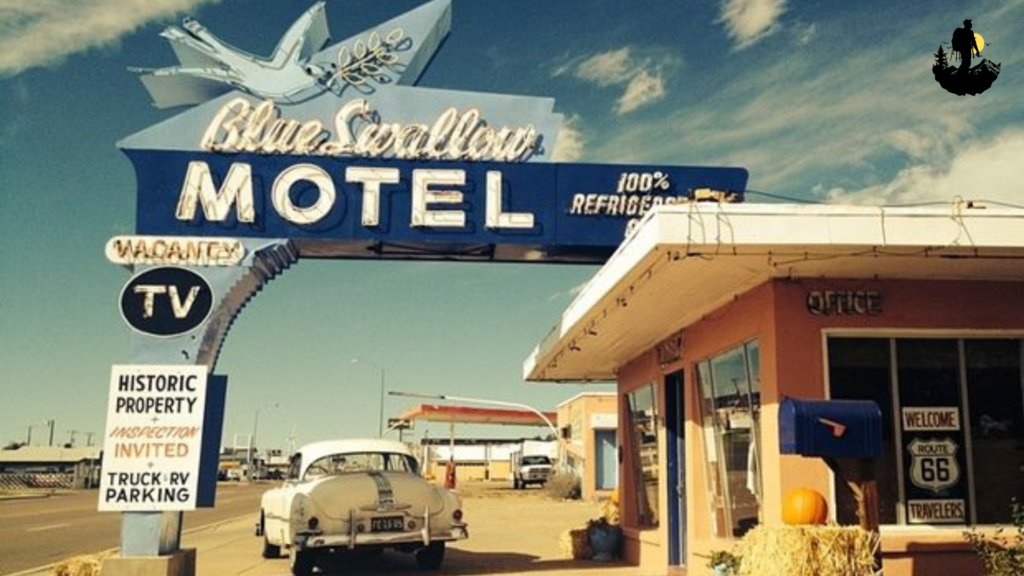
Blue Swallow Motel, New Mexico
The Blue Swallow Motel in Tucumcari stands as one of the most beautifully preserved examples of Route 66 roadside culture. With its glowing neon sign, pastel-colored rooms, and individual garages for each guest, the motel captures the elegance of mid-century travel. Built in 1939, it welcomed families exploring the American West long before interstate highways reshaped travel patterns. Today, it continues to operate with the same welcoming spirit, offering travelers a chance to experience authentic roadside hospitality.
As evening settles over the desert, the neon sign flickers to life, casting a soft blue glow across the parking lot. Classic cars sometimes line the curb, adding to the nostalgic atmosphere. The desert sky stretches endlessly overhead, turning shades of orange and pink as the sun dips below the horizon. Guests often sit outside their rooms, sharing stories about their journeys while the quiet hum of passing vehicles drifts through the night air.
Coordinates: Approximate location 35.1719° N, 103.7244° W, Tucumcari, New Mexico
Best Photography Spots:
- Neon reflection angle: Capture the motel sign mirrored on polished car surfaces at dusk.
- Garage doorway framing: Use the iconic garages to frame classic Route 66 compositions.
- Desert sky backdrop: Wide shots during sunset emphasize the open landscape.
- Courtyard perspective: Highlight the symmetry of the rooms and vintage architecture.
- Long-exposure shots at night help enhance the soft glow of the neon lights.
Why It Is So Special
The Blue Swallow Motel embodies the heart of Route 66 culture, where personal connections between hosts and travelers were just as important as the destination itself. Unlike modern chain hotels, this motel focuses on storytelling and preservation. Each room reflects a piece of history, reminding guests of an era when road travel encouraged slower exploration.
Route 66 remains a symbol of American freedom and reinvention. Travelers seeking authenticity often choose vintage motels like the Blue Swallow because they offer a deeper emotional connection to the road. Conversations among guests frequently revolve around shared nostalgia, photography, and the thrill of discovering hidden roadside gems. The experience feels intimate and genuine, highlighting how roadside culture continues to evolve while honoring its roots.
Weather: Dry desert climate with sunny days and cool nights
Best Season to Visit: Late spring and early autumn
Budget: $90 to $180 per night depending on room type
Best Food Nearby: Green chile stew, classic diner breakfasts, southwestern comfort food
Best Places to Stay: Historic Route 66 motels, small adobe-style inns, retro roadside cabins
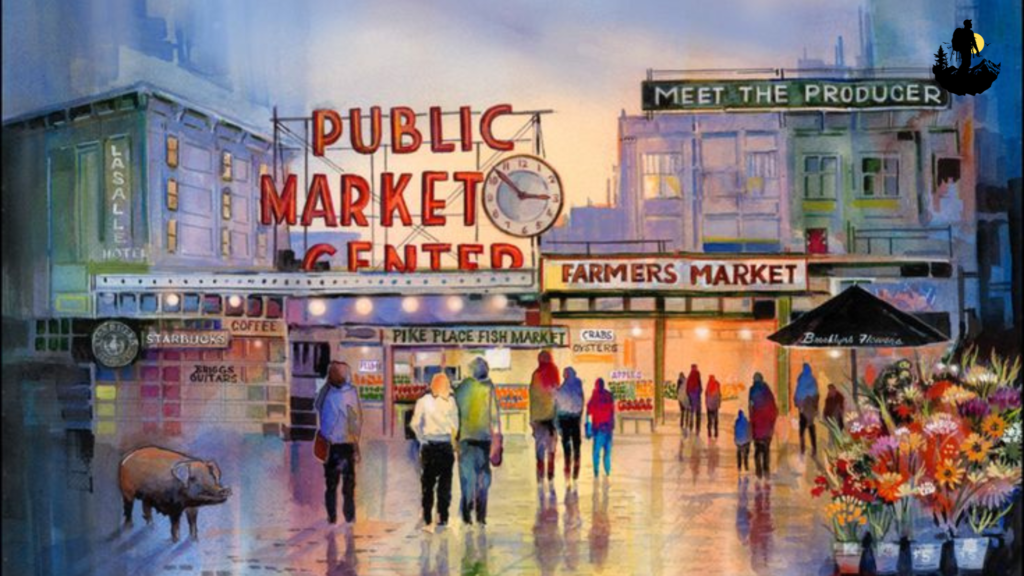
Pike Place Market Street Performers, Washington
While many people associate roadside culture with deserts and highways, urban roadside traditions also exist, and Seattle’s Pike Place Market offers one of the most vibrant examples. Located along the waterfront, the market blends street performance, local food vendors, and historic storefronts into a dynamic environment that captures the spirit of spontaneous American travel. Musicians, magicians, and artists line the sidewalks, turning an everyday market visit into an evolving cultural experience.
Walking through the market feels like stepping into a living stage. The scent of fresh seafood and roasted coffee drifts through the air while performers play acoustic guitars or paint vibrant murals. Travelers from around the world pause to watch fishmongers toss salmon across crowded counters, creating moments that feel both playful and authentic. Although the setting is urban, the culture reflects the same curiosity and creativity found along rural highways.
Coordinates: Approximate location 47.6097° N, 122.3425° W, Seattle, Washington
Best Photography Spots:
- Market entrance sign: Capture the iconic red neon clock against the busy street scene.
- Fish-throwing counter angle: Freeze the action during one of the market’s famous seafood tosses.
- Street performer corner: Frame musicians with the bustling crowd behind them.
- Waterfront overlook: Wide shots from nearby viewpoints highlight the market and Elliott Bay.
- Natural light works beautifully here, especially during overcast mornings common in Seattle.
Why It Is So Special
Pike Place Market represents a different side of roadside culture, one rooted in community creativity rather than long highways. Travelers often arrive without a plan, allowing music and street art to guide their experience. This spontaneity mirrors the essence of traditional road trips, where unexpected discoveries become the most memorable moments.
The market’s culture thrives on interaction. Performers rely on audience engagement, and visitors become part of the show simply by stopping to watch or listen. The environment encourages exploration, blending food, art, and storytelling into a vibrant urban roadside experience. For many travelers, Pike Place Market feels less like a tourist destination and more like a living expression of local identity.
Weather: Cool, misty mornings with mild temperatures year-round
Best Season to Visit: Late spring through early fall for longer daylight hours
Budget: $120 to $220 per night for nearby downtown accommodations
Best Food Nearby: Fresh seafood chowder, artisan pastries, locally roasted coffee
Best Places to Stay: Boutique waterfront hotels, historic downtown inns, cozy urban lodges
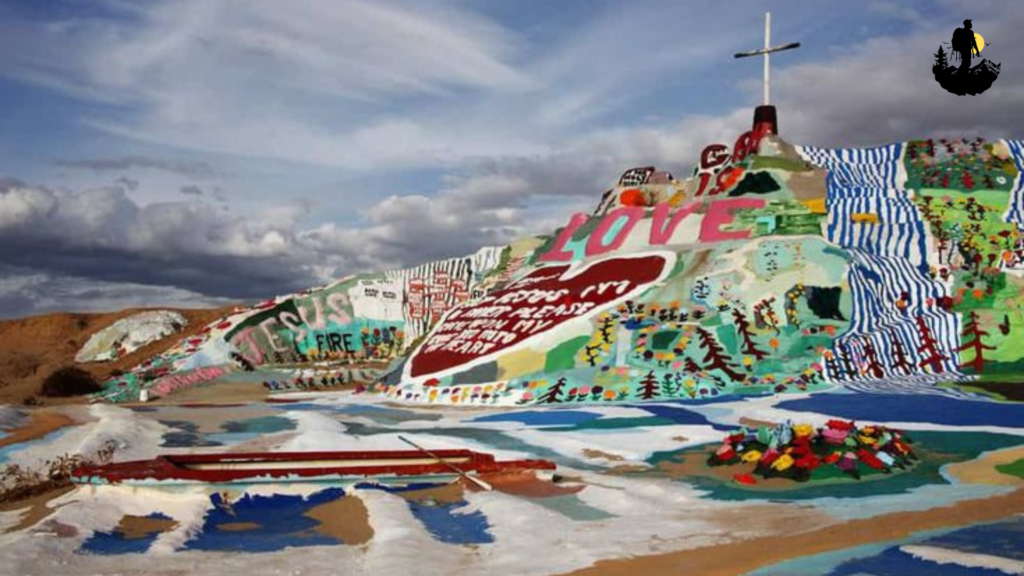
Salvation Mountain, California
Salvation Mountain rises unexpectedly from the desert near Slab City, its bright layers of paint standing in striking contrast to the surrounding sand and sky. Created over decades by artist Leonard Knight, this colorful hillside monument is covered in inspirational messages, flowers, and flowing rivers of paint that shimmer under the intense California sun. From a distance, it looks almost unreal, a hand-crafted vision shaped by devotion, creativity, and the spirit of the open road.
Arriving here feels like discovering a secret shared among travelers. The desert air is warm and still, broken only by the crunch of gravel underfoot and the distant hum of passing vehicles. Up close, every inch of the mountain reveals hand-painted textures and vibrant colors layered over time. Visitors often walk slowly through the paths carved into the artwork, taking photographs or simply absorbing the quiet energy of the place. Unlike traditional roadside stops, Salvation Mountain invites reflection as much as exploration.
Coordinates: Approximate location 33.2550° N, 115.4736° W, near Niland, California
Best Photography Spots:
- Front hillside angle: Capture the full spectrum of colors against the wide desert sky.
- Top viewing platform: A higher perspective shows the scale of the artwork and surrounding landscape.
- Painted river pathway: Close-up shots highlight the intricate brushwork and textures.
- Golden hour desert light: Early morning or sunset creates warm tones that enhance the vibrant colors.
- A polarizing filter helps balance the bright sunlight and deepen the contrast between paint and sky.
Why It Is So Special
Salvation Mountain represents the artistic side of American roadside culture, where personal vision transforms a remote desert stop into a landmark recognized around the world. Unlike commercial roadside attractions, this site was built slowly by hand, reflecting patience and dedication rather than profit. Travelers often describe a sense of calm here, as if the vast desert and colorful art combine to create a moment of stillness along the journey.
Roadside culture in California blends freedom, experimentation, and individuality. Places like Salvation Mountain show how highway attractions connect not only cities but also communities of artists and dreamers who choose to live outside conventional spaces. Visitors frequently leave feeling inspired by the idea that creativity can exist anywhere, even in the most remote landscapes.
Weather: Extremely hot summers, mild winters with clear skies
Best Season to Visit: Late fall through early spring
Budget: $70 to $150 per night in nearby desert towns
Best Food Nearby: Casual taco stands, roadside diners, desert barbecue spots
Best Places to Stay: Small desert motels, retro roadside inns, quirky artist-friendly lodges
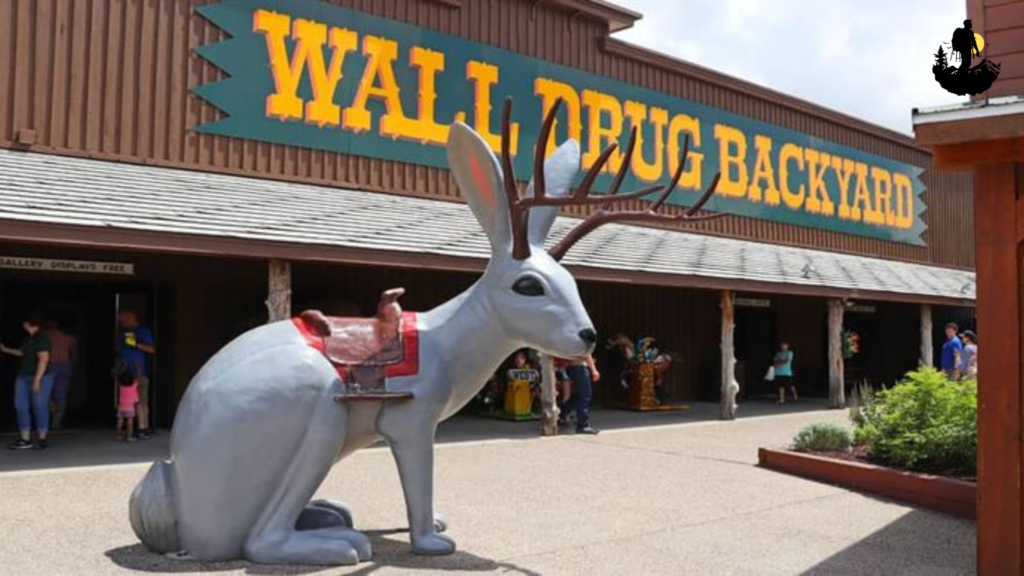
Wall Drug, South Dakota
Wall Drug begins appearing long before travelers actually reach it. Billboards stretch across hundreds of miles of highway, promising free ice water, homemade donuts, and a glimpse into classic American roadside advertising. Located near Badlands National Park, this sprawling complex started as a small pharmacy in the 1930s and grew into one of the most famous roadside stops in the country. Wooden storefronts, Western-style decor, and endless souvenirs create an atmosphere that feels both playful and nostalgic.
Walking through Wall Drug feels like stepping into a miniature town built entirely for travelers. Families wander past cowboy statues, ice cream counters, and old-fashioned photo booths while the scent of fresh pastries drifts through the air. Outside, large dinosaur sculptures and Western murals add a sense of adventure that appeals to road trippers of all ages. The mix of humor and history captures the essence of roadside diners during America’s golden age of travel.
Coordinates: Approximate location 43.9920° N, 102.2410° W, Wall, South Dakota
Best Photography Spots:
- Main entrance boardwalk: Wooden walkways create a strong Western-style composition.
- Billboard perspective shot: Photograph one of the iconic highway signs leading toward the town.
- Backyard dinosaur statues: Wide shots emphasize the playful roadside theme.
- Evening storefront lights: Soft lighting highlights the vintage architecture after sunset.
- A mid-range zoom lens works well for capturing both detailed storefronts and wide street scenes.
Why It Is So Special
Wall Drug symbolizes the creativity that once defined roadside marketing. Before digital navigation, businesses relied on bold signage and word-of-mouth to attract travelers. The endless stream of billboards became part of the road trip itself, turning anticipation into an experience long before visitors arrived. Even today, many travelers stop simply because they have seen the signs for hours along the highway.
The culture here reflects the American Midwest’s welcoming spirit. Visitors often chat with staff, share stories with fellow travelers, and explore the quirky attractions together. This sense of community highlights one of the most meaningful aspects of roadside museums, the idea that strangers connect through shared journeys and curiosity. Wall Drug proves that a simple roadside stop can grow into a lasting cultural icon through creativity and hospitality.
Weather: Cold winters, warm sunny summers with wide open skies
Best Season to Visit: Late spring through early autumn
Budget: $80 to $170 per night in nearby motels
Best Food Nearby: Buffalo burgers, homemade pies, classic soda fountain treats
Best Places to Stay: Family-run motor lodges, Western-themed roadside inns
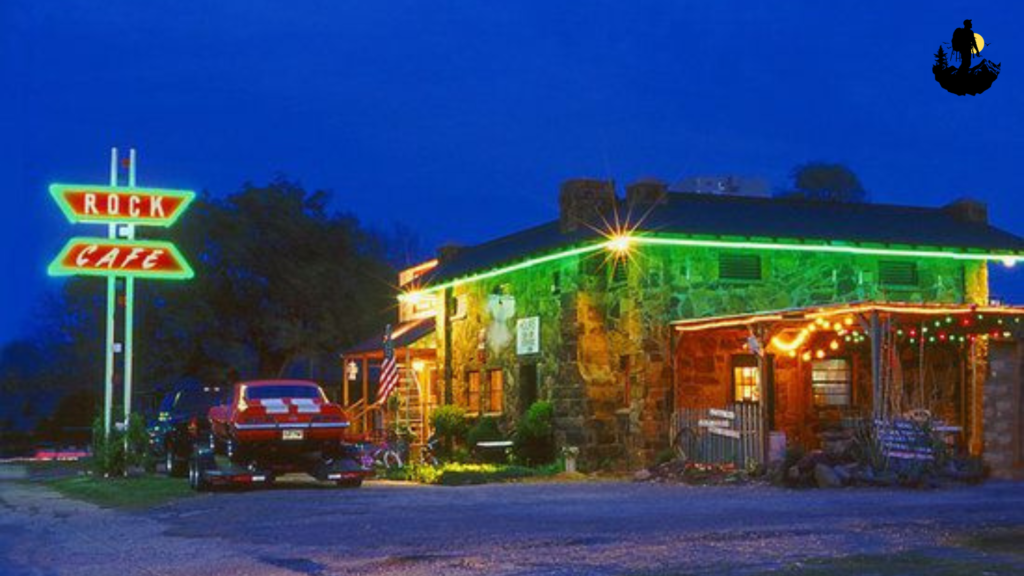
Rock Cafe, Oklahoma
The Rock Cafe in Stroud sits along historic Route 66, its stone walls and glowing neon sign telling stories of nearly a century of American road travel. Built in 1939 using local sandstone, the cafe became a gathering place for truck drivers, families, and adventurers exploring the legendary highway. Inside, vintage photographs and license plates cover the walls, while the scent of grilled burgers and fresh coffee fills the air.
Pulling into the parking lot feels like arriving at a scene from another era. Classic cars sometimes line the curb, and travelers step inside to escape the heat or cold while swapping road trip stories with locals. The friendly atmosphere reflects the heart of vintage gas stations, where food and conversation turn strangers into companions for a brief moment along the journey.
Coordinates: Approximate location 35.7505° N, 96.6541° W, Stroud, Oklahoma
Best Photography Spots:
- Neon sign close-up: Capture the glowing Route 66 sign during twilight.
- Stone exterior angle: Highlight the rugged texture of the original sandstone walls.
- Interior counter perspective: Photograph vintage decor and classic diner details.
- Highway background shot: Frame the cafe with Route 66 stretching into the distance.
- Soft evening light enhances the warm tones of the stone building and vintage signage.
Why It Is So Special
The Rock Cafe embodies the food culture that defines many American roadside experiences. Roadside diners like this were once essential stops for travelers seeking comfort and connection during long journeys. Unlike modern fast food chains, roadside cafes often reflect the personality of their owners and communities. Guests return not only for the meals but also for the sense of belonging that comes from sharing stories across the counter.
Route 66 remains one of the most iconic highways in the world, symbolizing freedom, resilience, and exploration. Places like the Rock Cafe preserve that legacy by maintaining traditional recipes, classic decor, and genuine hospitality. Visitors frequently describe the experience as stepping into a living time capsule, where the pace slows down and every meal feels meaningful.
Weather: Warm summers, cool winters with changing prairie winds
Best Season to Visit: Spring and fall for comfortable road trip weather
Budget: $75 to $160 per night at nearby roadside motels
Best Food Nearby: Hand-pressed burgers, homemade pies, classic American breakfast plates
Best Places to Stay: Vintage Route 66 motor courts, small-town inns, historic roadside cabins
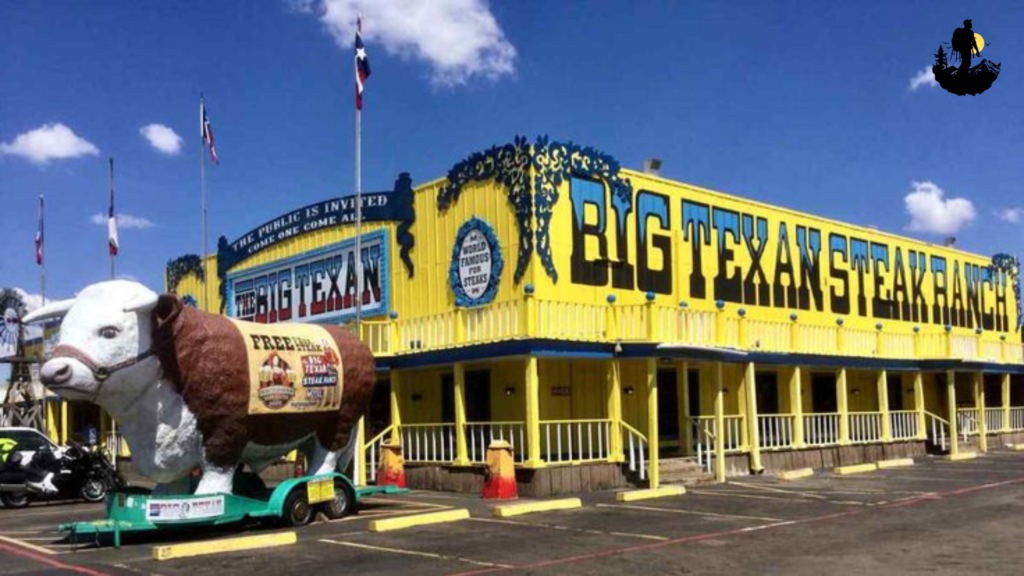
Big Texan Steak Ranch, Texas
The Big Texan Steak Ranch stands proudly along Interstate 40 in Amarillo, its Western-style wooden exterior and towering cowboy signage instantly recognizable to road travelers. Since the early 1960s, it has been a symbol of bold Texas roadside culture, blending oversized portions, playful challenges, and a lively atmosphere that draws visitors from across the country. The restaurant is best known for its famous steak challenge, where brave diners attempt to finish an enormous meal within an hour while fellow travelers watch and cheer.
Walking inside feels like entering a theatrical version of the Old West. Neon lights glow above wooden beams, country music plays softly in the background, and walls are filled with photographs of travelers who attempted the legendary challenge. Outside, vintage limousines shaped like longhorn cattle horns sit parked near the entrance, adding to the larger-than-life personality that defines this road trip destinations landmark. The open Texas sky and constant flow of highway traffic create an energy that feels both nostalgic and exciting.
Coordinates: Approximate location 35.1923° N, 101.7733° W, Amarillo, Texas
Best Photography Spots:
- Front entrance sign: Capture the giant cowboy figure welcoming travelers from the highway.
- Vintage limo lineup: Photograph the unique vehicles against the wide Texas horizon.
- Evening neon lights: Twilight enhances the warm glow of the signage and wooden facade.
- Interior dining hall angle: Wide shots highlight the lively atmosphere and Western decor.
- A slightly warm white balance setting helps emphasize the golden tones of the building and desert light.
Why It Is So Special
The Big Texan Steak Ranch represents the playful exaggeration that defines many American roadside stops. During the peak era of highway travel, businesses often competed by offering something unforgettable, whether it was a giant meal, unusual architecture, or live entertainment. The steak challenge turned a simple restaurant into a shared experience where strangers gather to watch, laugh, and celebrate together.
Texas roadside culture often emphasizes hospitality and storytelling. Travelers passing through Amarillo frequently stop not only for the food but also for the sense of camaraderie created by the lively environment. Conversations between tables, spontaneous applause, and the excitement of the challenge reflect the spirit of community that makes classic roadside travel memorable. The experience reminds visitors that road trips are about moments of connection as much as miles traveled.
Weather: Hot sunny summers, cooler breezy evenings in fall
Best Season to Visit: Spring and autumn for comfortable temperatures
Budget: $80 to $170 per night at nearby roadside hotels
Best Food Nearby: Texas ribeye steaks, smoked brisket, loaded baked potatoes
Best Places to Stay: Western-themed motels, retro motor courts along historic highways
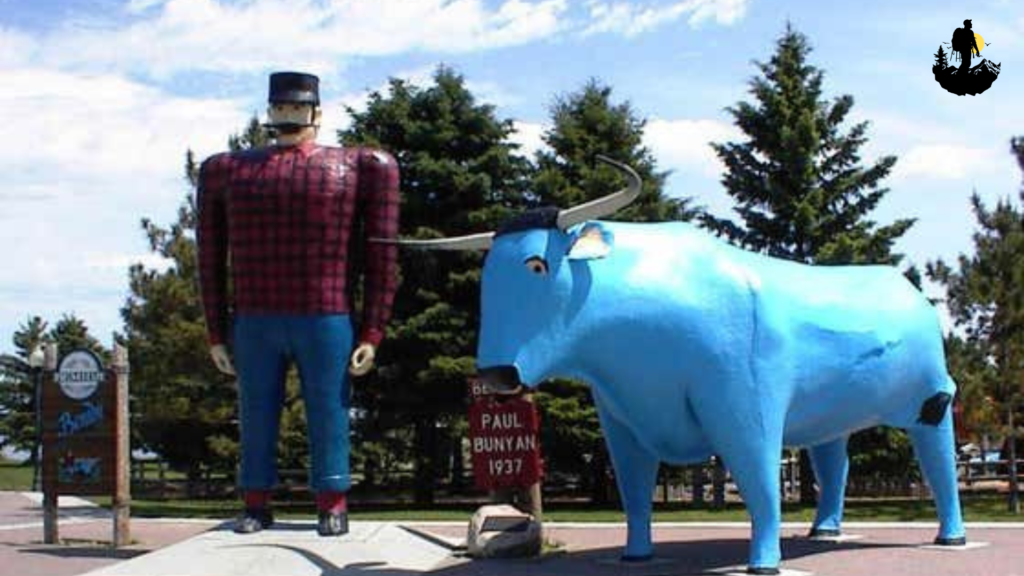
Paul Bunyan and Babe the Blue Ox, Minnesota
Along the roadside in Bemidji stands one of America’s most beloved roadside icons, the towering statues of Paul Bunyan and Babe the Blue Ox. Built in 1937, these giant figures celebrate American folklore and the logging heritage of the Midwest. The statues overlook Lake Bemidji, creating a scene that feels both whimsical and peaceful. Travelers often stop here to stretch their legs, snap photographs, and experience a piece of American Americana that has welcomed road trippers for generations.
The atmosphere around the statues changes with the seasons. In summer, green trees frame the figures while families gather along the lakeshore. In winter, snow blankets the landscape, giving the statues an almost storybook appearance. Standing beneath Paul Bunyan’s massive boots, visitors feel a sense of nostalgia tied to childhood tales and the adventurous spirit of early American storytelling. The nearby waterfront adds a calm, reflective element that balances the playful scale of the attraction.
Coordinates: Approximate location 47.4685° N, 94.8790° W, Bemidji, Minnesota
Best Photography Spots:
- Lakefront perspective: Frame the statues with the water of Lake Bemidji behind them.
- Low-angle hero shot: Emphasize the towering height of Paul Bunyan against the sky.
- Seasonal foliage view: Autumn colors create a vibrant backdrop for wide landscape shots.
- Evening lakeshore angle: Soft golden light reflects beautifully on the water and statues.
- Using a wide lens helps capture both the statues and the surrounding natural scenery.
Why It Is So Special
Paul Bunyan and Babe the Blue Ox represent the storytelling tradition woven into American roadside culture. Giant statues and folk legends became popular quirky attractions during the early days of automobile travel, giving drivers something memorable to discover along long highways. These figures celebrate regional identity while inviting travelers to reconnect with a sense of imagination and humor.
The Midwest’s roadside culture often feels quieter and more reflective than its desert or coastal counterparts. Here, the focus shifts toward nature, community pride, and local history. Visitors frequently describe a sense of calm while standing by the lake, watching the changing light and listening to the gentle movement of water. The attraction embodies how roadside stops can blend folklore, landscape, and shared memories into a timeless experience that continues to welcome new generations of travelers.
Weather: Cold snowy winters, mild summers with clear skies
Best Season to Visit: Late spring through early fall
Budget: $90 to $180 per night in nearby lakeside lodges
Best Food Nearby: Walleye fish fry, wild rice soup, classic Midwest diner breakfasts
Best Places to Stay: Lakeside cabins, cozy roadside motels, small-town inns with scenic views
Roadside Travel Tips for Experiencing Authentic American Culture
Slow down your travel pace
One of the biggest mistakes travelers make is rushing between destinations. Authentic roadside culture is discovered in the pauses between major cities. Plan shorter driving days so you have time to stop at diners, vintage motels, scenic viewpoints, and unexpected attractions that may not appear on popular travel apps.
Follow historic highways when possible
Routes like old coastal highways or classic cross-country roads often reveal hidden gems that modern interstates bypass. Historic roads tend to pass through small towns where local traditions, architecture, and food culture remain preserved.
Talk to locals and fellow travelers
Roadside culture thrives on storytelling. Whether you are at a cafe counter or a motel courtyard, conversations often lead to recommendations you will never find online. Locals may suggest secret viewpoints, family-run diners, or seasonal festivals happening nearby.
Carry cash for small businesses
Many authentic roadside stops are independently owned and may not always rely on digital payments. Having small bills makes it easier to support local vendors, roadside fruit stands, or antique shops along rural highways.
Photograph responsibly
Some roadside attractions are deeply connected to community identity. Always be respectful when taking photos, especially near historic landmarks or privately owned businesses. Ask permission when necessary and avoid blocking entrances or busy walkways.
Embrace vintage motels over chain hotels
Staying in classic roadside motels enhances the cultural experience. These places often preserve retro architecture, neon signs diners and personal hospitality that reflect the golden era of road travel.
Plan around sunrise and sunset
The best roadside experiences often happen during quieter hours. Early morning light reveals peaceful landscapes, while evening neon signs and warm golden skies create cinematic moments that define American road trips.
Pack flexible travel essentials
Keep a small cooler, reusable water bottle, comfortable walking shoes, and a lightweight jacket in your car. Weather and terrain can change quickly, especially when traveling across different regions.
Support local food traditions
Roadside culture is deeply connected to regional cuisine. Try dishes that reflect the area, whether it is barbecue in Texas, seafood along the coast, or homemade pies in Midwest diners. These meals often tell stories about local history and community life.
Explore beyond the main attraction
Many travelers stop for one famous landmark and leave immediately. Take time to explore nearby streets, small museums, or local parks. Often, the most meaningful discoveries happen just a few blocks away from the main roadside attraction.
Respect the environment
Some roadside sites exist in fragile desert or coastal ecosystems. Stay on marked paths, avoid leaving trash behind, and follow local guidelines to help preserve these places for future travelers.
Keep an open mindset
Not every roadside stop will be polished or perfectly maintained. Authentic culture sometimes feels quirky, unusual, or even a little strange. Embracing these differences is part of the adventure and often leads to the most memorable experiences.
Use maps but allow spontaneity
Planning is helpful, but leaving room for unexpected detours keeps the journey exciting. If a hand-painted sign or colorful roadside structure catches your eye, consider stopping. Many iconic roadside museums began as simple curiosities discovered by chance.
Travel during shoulder seasons
Spring and fall often offer comfortable weather, fewer crowds, and better opportunities to connect with locals. Off-peak travel also allows you to experience roadside culture in a calmer and more authentic way.
Document your journey creatively
Keep a small journal, collect postcards, or photograph details like neon lights, menu boards, and vintage signage. These small elements capture the personality of roadside culture more deeply than standard travel photos.
Conclusion
Authentic American roadside culture is more than a collection of quirky attractions or historic landmarks. It represents a way of traveling that values curiosity, connection, and storytelling. Along highway attractions that stretch across deserts, forests, coastlines, and small towns, travelers discover a living history shaped by artists, entrepreneurs, families, and dreamers who turned ordinary stops into meaningful destinations. Every neon sign, roadside diner, and hand-painted billboard carries a piece of the country’s evolving identity.
What makes roadside culture truly special is its sense of individuality. Unlike large tourist destinations designed for mass crowds, roadside experiences often feel personal and unexpected. A small cafe might serve a recipe passed down for generations, while a vintage motel may hold stories of travelers from decades past. These places remind us that travel is not only about reaching famous landmarks but also about noticing the small details that give each region its unique character.
The enduring appeal of roadside travel lies in its freedom. Highways invite exploration without strict schedules, allowing travelers to follow their instincts and discover places that resonate with them personally. Whether standing beside a giant roadside statue, watching a sunset over a desert art installation, or sharing a meal with strangers who quickly feel like friends, the journey becomes a collection of meaningful moments rather than a checklist of destinations.
In a world where technology often encourages speed and efficiency, roadside culture offers a refreshing alternative. It encourages slowing down, stepping away from constant notifications, and engaging directly with the physical environment. The act of pulling over to explore an unfamiliar landmark or chatting with a local shop owner reconnects travelers with the simple joy of discovery. These interactions create memories that feel genuine and lasting.
Another important aspect of roadside culture is preservation. Many iconic stops have survived changing travel trends because communities chose to protect their heritage. Supporting these places through visits, respectful photography, and local spending helps ensure they continue to thrive for future generations. Travelers play an active role in keeping roadside culture alive simply by showing curiosity and appreciation.
Ultimately, the heart of authentic American roadside culture is not found in any single location but in the journey itself. The open road becomes a stage where landscapes, creativity, and human connection intersect. Each mile traveled adds a new layer to the experience, turning simple stops into stories worth remembering. For those willing to slow down and explore beyond the obvious, the roadside reveals a world rich with history, humor, and quiet moments of wonder that define the spirit of travel.

🌿 Sources & References
- Travel & Adventure – National Geographic
- Outdoor Recreation – REI Expert Advice
- Leave No Trace Principles
- Nature Conservation – WWF
- U.S. National Parks – NPS
- Sustainable Tourism – UNWTO
- Wilderness Safety – American Red Cross
- Outdoor Health Benefits – NIH
- Travel Health – CDC
- Ecotourism – The International Ecotourism Society