All across the American West, there are towns that time forgot. Once full of life, miners, shopkeepers, and families, they now stand empty, with broken windows, dusty streets, and quiet buildings slowly falling apart. These are the abandoned ghost towns that USA travellers love to discover.
Some were left behind when gold or silver ran out. Others faded when railroads changed or industries shut down. Today, they offer a glimpse into a different time, where the past feels close and the silence tells stories. In this guide, we’ll explore some of the most fascinating ghost towns across the West and how to safely and respectfully visit them.

What to Look For When Visiting Abandoned Ghost Towns

Visiting places labelled under the banner of “abandoned ghost towns USA” requires more than setting your GPS and showing up. Here are key considerations:
- Access & Ownership: Some ghost towns are on private land, others are in state parks. Respect boundaries and check signage.
- Structural condition: Abandoned buildings may be unsafe. Roofs collapse, floors rot, walls lean. Treat buildings as unstable.
- Historical context: Knowing why a town rose and fell deepens the visit. Example: many mining towns died when ore ran out or railroads bypassed them.
- Preservation & etiquette: When you explore ghost towns in the USA, preserve rather than plunder, no graffiti, no removal of artefacts, minimal disturbance.
- Safety & preparation: Remote locations mean limited services, uneven terrain, and little shade or shelter. Basic survival gear is wise.
Three Outstanding Ghost Towns to Explore

Here are three examples of compelling ghost‑town sites under the theme “abandoned ghost towns USA”:
• Bodie, California (California)
This mining town peaked at over 10,000 in the late 1800s and now stands in “arrested decay” within a state historic park. Many of its ~200 buildings remain intact.
• Garnet, Montana (Montana)
Once a gold‑rush era community with more than a thousand residents and 13 saloons, Garnet now has about 30 preserved buildings and fewer crowds.
• Calico, California (California)
Started with silver in 1881, boomed quickly to 4,000 residents, then declined when silver prices collapsed. Revived later as a tourist site.
Each of these towns tells a different twist of boom, bust and abandonment, and invites exploration.
Capturing the Wild Backdrop: Scenery & Atmosphere

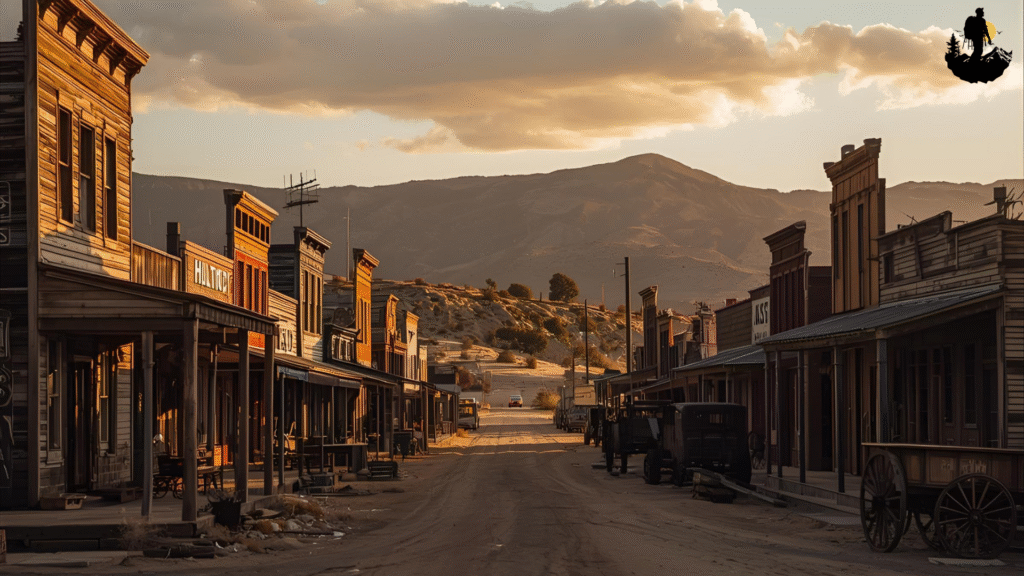
Part of the allure of abandoned ghost towns in the American West is the topography and environment they inhabit: desert flats, mountain valleys, shifting sands, and sky‑wide horizons. This setting amplifies the feeling of desolation, resilience and history. When you arrive at one of these sites, you often feel remote, even if you’re reachable by paved road.
The architecture, old wooden storefronts, rusted mining equipment, and fallen telegraph poles add visual texture. For photographers, explorers or history‑seekers, the environment becomes part of the story.
Tips for Exploring Abandoned Ghost Towns Safely

Here are practical pointers for exploring with confidence:
- Carry enough water, snacks and sun protection; many ghost towns sit in exposed terrain.
- Check vehicle access; some roads may be dirt, rutted or require high‑clearance.
- Stay on public land or obtain permission if private. Respect restricted zones.
- Avoid entering unsafe buildings, old timber, asbestos, and unstable floors are real hazards.
- Navigate with a map or GPS; cell coverage may be patchy.
- Inform someone of your plan and destination; remote locations mean slower help.
Following these reduces risk and helps you enjoy the “abandoned ghost towns USA” experience more fully.
Common Mistakes & How to Avoid Them

Even seasoned explorers can misstep. Common issues include:
- Assuming all ghost towns are open to the public, many have private ownership or restricted access.
- Entering unsafe structures as roofs that may collapse, floors that may give way. Stay outside unless explicitly safe.
- Not preparing for remote terrain, as water, shade, and rescue may be far away.
- Taking artefacts from many locations prohibits removal; it damages the site and can be illegal.
- Visiting without considering seasons, deserts can be scorching; mountain valleys may be icy or snow‑covered.
Avoiding these pitfalls ensures your ghost‑town adventure stays memorable for the right reasons.
How to Plan Your Ghost Town Visit

Here’s a planning guide to make the most of an “abandoned ghost towns USA” visit:
- Choose a region: Pick a cluster of ghost towns, e.g., Eastern California, Nevada, Montana, to maximise your trip.
- Research access & rules: Check if the town is inside a public park, needs fees, or is privately owned.
- Schedule your time: Decide how many towns you’ll visit in a day or multi‑day loop, where you’ll stay and the timing of light for photos.
- Pack appropriate gear: Comfortable hiking shoes, water, sun protection, camera, map, maybe camping gear if staying nearby.
- Respect the site: Leave no trace, stay safe and leave things as you found them.
- Narrative mindset: Bring a notebook or camera, ghost towns tell visual and historic stories.
Used thoughtfully, your visit transforms from a road stop into a full narrative experience.
The Benefits of Ghost Town Exploration

Venturing into abandoned ghost towns offers unique upsides:
- Historical insight: You see firsthand what boom‑and‑bust looked like, the architecture, the stories.
- Solitude and space: Many of these towns are far from tourist trails—fewer crowds, more reflection.
- Photographic opportunity: Light, texture, and silence make compelling visual scenes.
- Connection with place: You feel the weight of history, the cycles of human settlement and abandonment.
- Adventure and discovery: It’s off‑beat, less curated, more authentic.
If you want more than just a drive‑by, ghost‑town exploration delivers an experience.
Step Into the Silence

Exploring abandoned ghost towns in the USA is like stepping into a living museum. These places may be quiet now, but every old building, dusty road, and rusted sign has a story to tell. They show us what life was like during gold rushes, railroad booms, and tough frontier days.
Remember to take only photos and leave everything else as you found it, whether you visit a well-known site or stumble across a hidden one on your road trip. Ghost towns are fragile pieces of history, and preserving them means others can enjoy them too.
If you’re looking for a unique adventure with a touch of mystery, ghost towns in the American West are a great place to start. Just grab a map, plan, and get ready to explore the forgotten corners of the past.
There’s a quiet kind of magic waiting out there.