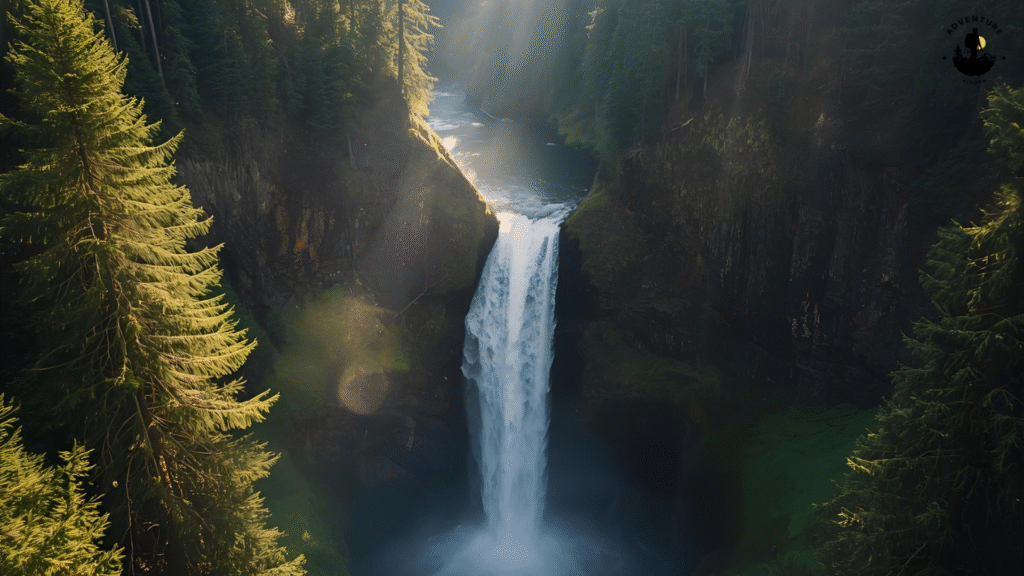
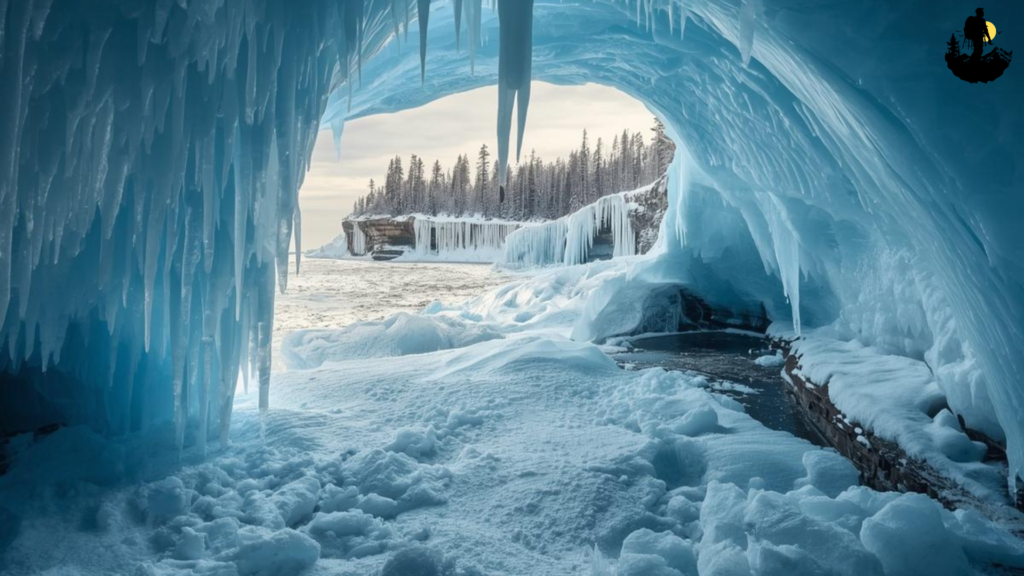
Ice caves across the northern regions of the United States create winter landscapes that feel otherworldly. Frozen ceilings, glasslike corridors, and shimmering blue walls attract explorers searching for rare seasonal experiences. Many of these caves form naturally each winter, shaped by freezing waves, hidden springs, glacier melt, or wind-carved arches. Anyone seeking ice cave adventures in the USA discovers a mixture of beauty, fragility, and challenge. A careful approach helps visitors enjoy these frozen environments safely.
Ice caves bring silence, glowing color, and unusual formations found only in cold months. Each visit becomes a fleeting moment because these structures shift with temperature and time.
Reasons Ice-Caving Feels Extraordinary for Winter Explorers
Ice caves offer sensations and scenery that differ from typical winter activities.
Key reasons adventurers seek them:
- Rare access to naturally sculpted frozen formations
- Soft light reflecting off icy walls
- Unique photographic opportunities
- Challenge of reaching remote winter locations
- Chance to see seasonal landscapes that disappear by spring
- Feeling of entering a hidden world
Emotional rewards:
- Sense of awe while walking through glowing blue chambers
- Increased appreciation for winter’s creativity
- Calmness created by the muffled acoustics inside the cave
- Excitement from exploring fragile natural art
Ice caves transform familiar landscapes into magical winter environments.
Northern U.S. Regions Known for Seasonal Ice Caves
Several northern states offer excellent seasonal ice-caving regions.
Great Lakes Region:
- Apostle Islands Ice Caves, Wisconsin
- Munising Ice Curtains, Michigan
- Lake Superior shoreline caves
- Frozen sandstone caverns in the Upper Peninsula
Northeast:
- Adirondack ice formations in New York
- Vermont’s winter grottos
- New Hampshire’s frozen ravines
Mountain West:
- Montana’s naturally ventilated ice chambers
- Idaho’s volcanic ice caves
- Colorado’s winter ice grottos in shaded canyons
Each region provides a distinct style of ice cave shaped by geology, temperature, and moisture.
Essential Gear for Safe Ice-Caving Adventures
Gear selection becomes crucial due to slippery surfaces and extreme cold.
Core equipment:
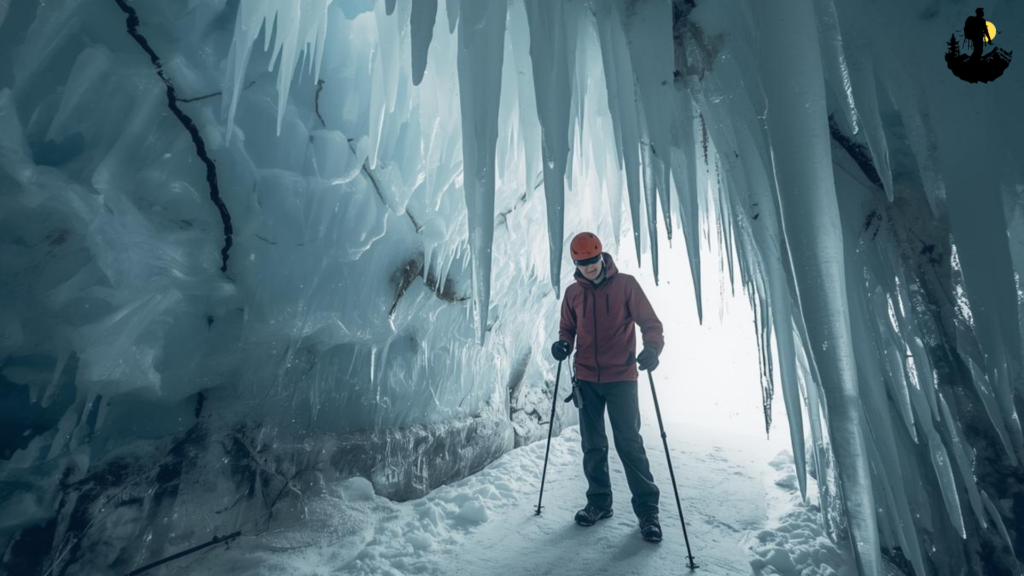
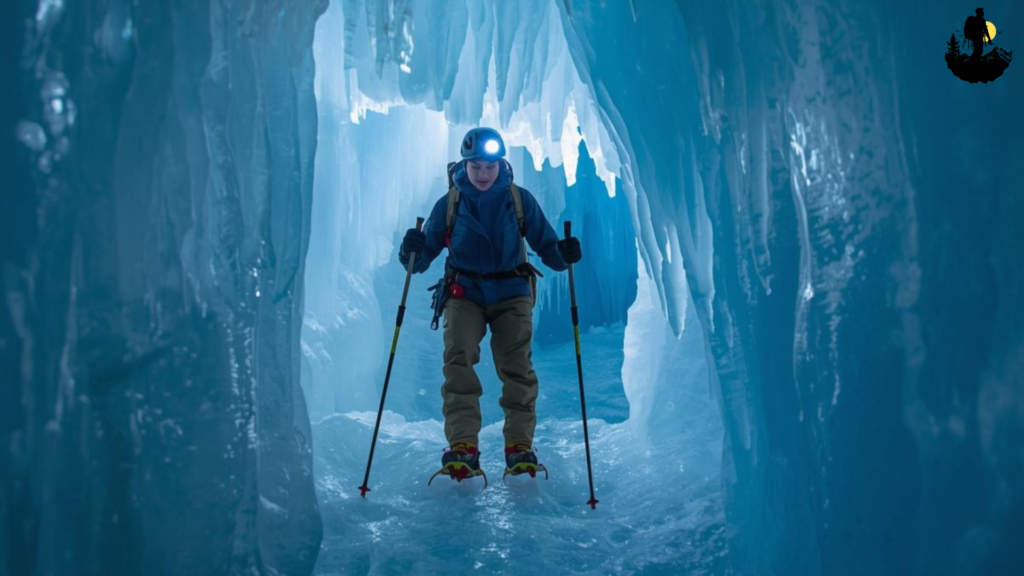
- A helmet to protect from falling ice
- Microspikes or crampons for traction
- Waterproof insulated boots
- Thermal gloves
- Layered winter clothing
- Headlamp for exploring darker chambers
- Trekking poles for stability
- Emergency blanket
- Waterproof backpack
- Navigation device for remote trails
Why gear matters:
- Reduces slipping risks
- Protects from cold exposure
- Ensures safe entry and exit
- Helps manage unexpected winter conditions
Proper gear creates a safe entry into delicate frozen environments.
Learning to Read Ice Safety Before Entering a Cave
Ice caves can change rapidly due to temperature shifts.
Signs an ice cave may be unsafe:
- Cracks are spreading across ceilings
- Dripping water indicates melting.
- Thundering sounds of shifting ice
- Sagging formations
- Soft or slushy snow at the entrance
- Icicles breaking easily
Safe-entry guidelines:
- Visit early in the morning when temperatures are coldest
- Stay away from unstable ceilings.
- Avoid caves during warm spells or rain.
- Follow ranger updates when available.
- Explore only with experienced companions if the cave depth is unknown.
Awareness protects you from avoidable hazards.
Travel Techniques for Approaching Frozen Cave Entrances
Approaches to ice caves often require winter-specific movement.
Approach tips:
- Use short, steady steps on compact snow
- Test surfaces ahead using trekking poles.
- Keep body weight centered.
- Follow existing tracks when safe.
- Avoid steep slopes without a traction gear.
- Stay away from thin ice over lakes or streams.
Benefits of careful travel:
- Prevents unexpected slips
- Conserves energy
- Protects the cave environment from unnecessary damage
Winter approaches require patience rather than speed.
Experiencing the Stunning Formations Inside Ice Caves
Ice caves contain textures and colors that feel sculpted by art rather than nature.
Common formations:
- Icicle curtains hanging like crystal chandeliers
- Frozen waterfalls sealed in mid-motion
- Blue ice walls glowing under minimal light
- Air bubbles trapped in layered sheets.
- Frost patterns form natural artwork.
- Pillars created by slow water drips
Visual highlights:
- Light refraction produces shades from deep turquoise to pale silver
- Soft, glowing walls that turn photography into a dreamlike experience
- Shadows that dance across surfaces while your lamp moves
Every corner reveals a new frozen wonder.
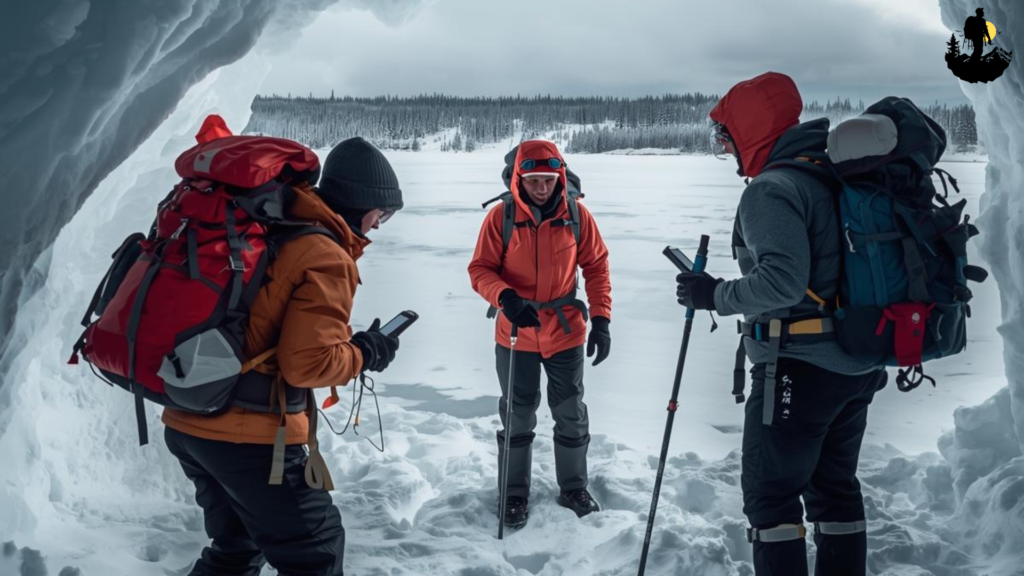
Practicing Safe Movement Inside Ice Caves
Careful movement preserves both safety and cave integrity.
Movement techniques:
- Keep steps small to maintain control
- Avoid touching delicate ice surfaces.
- Stay clear of overhangs.
- Step only on solid, compact ice
- Move slowly while examining formations.
- Use hands only for balance on stable surfaces.
Why careful movement protects you:
- Fragile walls can break easily
- Falling ice threatens stability.
- Sudden slips become more dangerous in confined spaces.
Safe motion ensures a calm and enjoyable exploration.
Photographing the Beauty of Ice Caves
Photographing ice caves becomes one of the most rewarding parts of the experience.
Photography tips:
- Use a tripod for longer exposures
- Focus on light shining through ice layers.
- Capture close-ups of frozen textures.
- Shoot wide angles to reveal cavern depth.
- Use a headlamp light to paint soft glows on walls.
- Try silhouette shots of people for dramatic scale.
Photographic opportunities:
- Soft blue gradients
- Crystal clarity in ice pillars
- Frosted ceilings sparkling under artificial light
Ice caves create natural studios filled with winter magic.
Staying Warm and Comfortable During Ice-Caving Trips
Cold temperatures inside ice caves remain lower than outside air.
Warmth strategies:
- Layer clothing using moisture-wicking fabrics
- Wear insulated jackets
- Keep feet dry at all times.
- Bring hand warmers
- Sip warm drinks stored in insulated bottles
- Avoid sweating during approach hikes.
Why warmth matters:
- Prevents hypothermia
- Improves focus while moving on ice
- Helps maintain stability during long explorations
Comfort increases the quality of your adventure.
Staying Safe in Remote Northern Locations
Remote winter environments require preparation beyond cave skills.
Safety priorities:
- Inform someone about your route
- Carry a GPS device
- Monitor changing weather
- Stay alert for lake ice conditions.
- Bring enough food and water.
- Pack emergency supplies, including a thermal blanket.
- Travel in groups whenever possible.
Reasons remote safety is critical:
- Snowstorms may block return paths
- Temperatures drop sharply after sunset.
- Phone service often disappears.
- Trails become invisible during snowfall.
Preparedness helps you enjoy remote ice caves confidently.
Choosing Guided Tours for First-Time Ice-Cavers
Guided tours provide safe access for newcomers.
Advantages of guided experiences:
- Professional knowledge of safe conditions
- Access to caves is not open for solo exploration.
- Safety gear is often provided
- Education about geology and frozen features
- Reduced risk due to group travel
Guides help by:
- Teaching movement techniques
- Checking structural stability
- Leading alternative routes when conditions change
Guided trips offer a comfortable introduction to icy landscapes.
Ethical Ice-Caving: Protecting Fragile Winter Environments
Ice caves are incredibly delicate. Small actions can cause permanent damage.
Ethical practices:
- Avoid breaking icicles
- Never carve into ice walls.
- Stay on durable surfaces.
- Carry out all waste
- Respect closed areas
- Reduce noise to preserve wildlife’s calmness.
Why ethics matter:
- Ice caves regenerate slowly
- Wildlife depends on winter stability.
- Human activity easily disrupts formations.
Respect ensures these landscapes remain beautiful for future visitors.
Reflecting on the Magic of Ice Caves Adventure in the USA
Ice caves create unforgettable winter memories. Glowing walls, frozen waterfalls, and quiet chambers offer rare beauty only found during the coldest months. Anyone embracing ice caves adventure USA journeys, experiences nature at its most delicate and powerful. Cold air fills your lungs. Crunching snow accompanies each step. Walls shimmer as your headlamp lights the frozen details.
A winter ice cave visit becomes a celebration of nature’s creativity. Every moment feels temporary, precious, and inspiring. These frozen environments remind adventurers that winter still holds secrets waiting to be explored it silently, respectfully, and bravely.