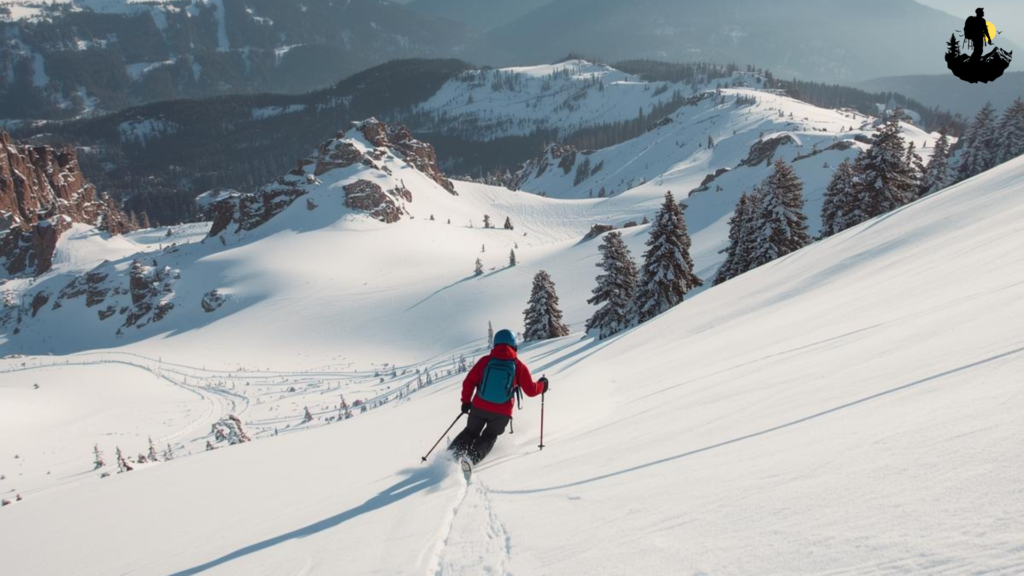
Backcountry skiing introduces skiers to untouched snow, silent valleys, and slopes shaped only by wind and weather. Remote U.S. regions offer endless options for those who crave solitude over ski-resort crowds. Fresh powder, rugged terrain, and views that stretch for miles create experiences unmatched by groomed pistes. Skiers pursuing backcountry skiing USA discover freedom, challenge, and a powerful connection to alpine environments.
A day in remote snowfields invites both adventure and responsibility. Nature sets the rules, and every decision affects safety, enjoyment, and confidence.
Why Backcountry Skiing Appeals to Adventurers
Skiers choose backcountry terrain for reasons far beyond sport.
Main attractions:
- Access to untracked powder
- Freedom to explore without crowds
- Deep silence that intensifies the alpine experience
- Personal challenge of navigating raw landscapes
- Beautiful sunrise and sunset skiing
- Chance to see wildlife in winter environments
Emotional rewards:
- Strong sense of self-reliance
- Heightened awareness of nature
- Satisfaction from earning each descent
- Closer connection to snow, mountains, and weather
Remote skiing turns each turn into a personal achievement.
Essential Gear for Backcountry Skiers
Proper equipment determines performance and safety.
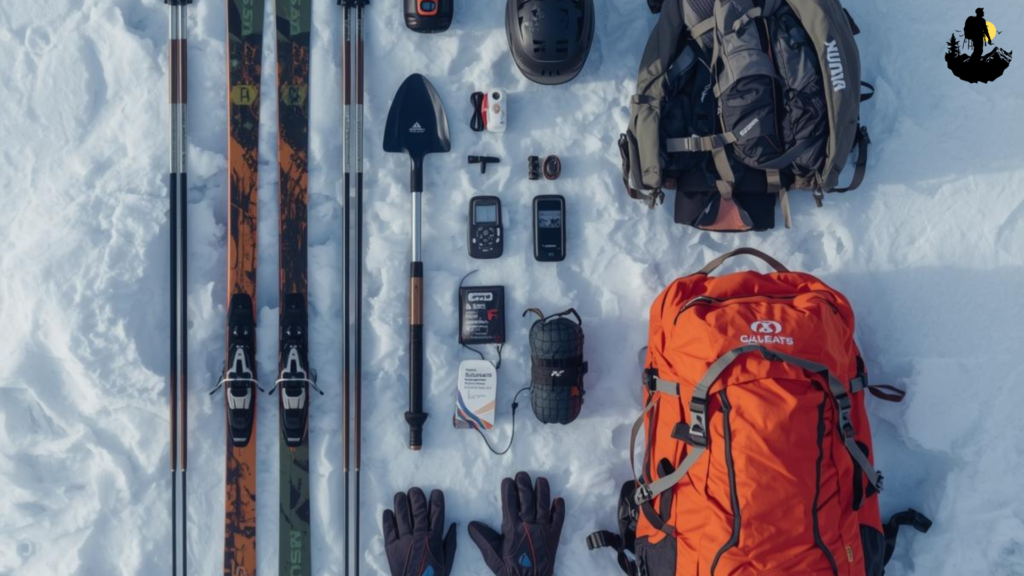
Gear checklist:
- Touring skis with reliable bindings
- Climbing skins for uphill travel
- Avalanche safety kit (beacon, shovel, probe)
- Lightweight avalanche airbag backpack
- Adjustable poles
- Multi-layer clothing system
- Helmet and goggles
- Waterproof gloves
- Navigation tools (GPS, map, compass)
- Repair kit for unexpected equipment issues
Why gear selection matters:
- Supports stability on varied terrain
- Helps prevent dangerous situations
- Ensures comfort during long ascents
- Protects you from unpredictable winter weather
Strong gear preparation lays the groundwork for successful remote skiing.
Choosing Remote U.S. Regions Ideal for Backcountry Skiing
Remote American landscapes offer different styles of terrain for backcountry skiing.
Western U.S.:
- Colorado’s San Juan Mountains
- Wyoming’s Tetons
- Idaho Sawtooth backcountry
- Montana backcountry near Bozeman
- Utah’s Wasatch Range
Pacific Northwest:
- Mount Baker region in Washington
- Hood Wilderness in Oregon
- North Cascades National Wilderness
Alaska:
- Chugach Mountains
- Remote Anchorage-access zones
- Valdez mountain fields
Northeast:
- Adirondack High Peaks
- Vermont’s backcountry bowls
Each region provides its own personality, snowpack, and challenge level.
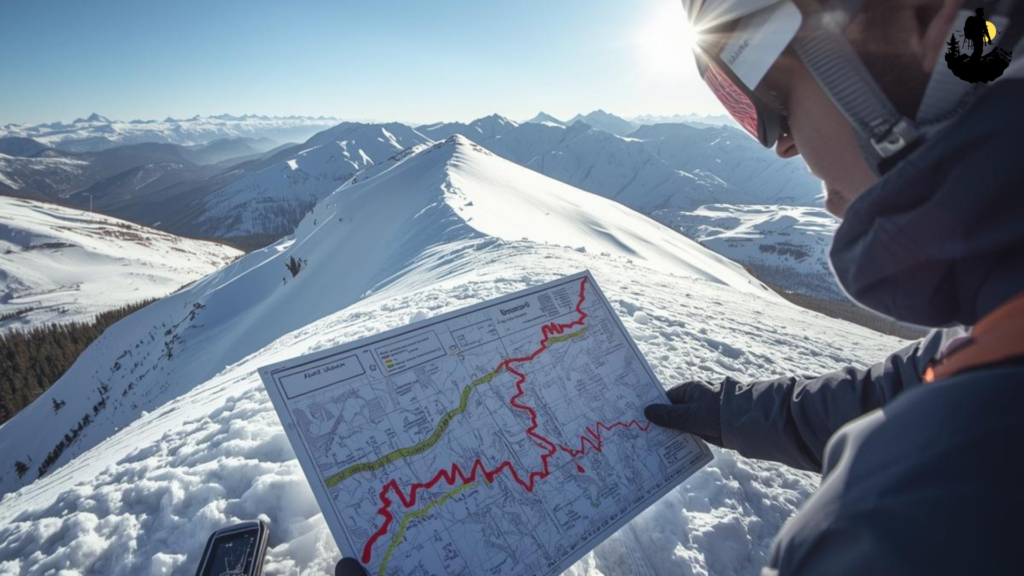
Planning Routes Before Entering Remote Snowfields
Route planning helps avoid dangerous terrain and improves the skiing experience.
Route-planning steps:
- Study topographic maps
- Mark potential avalanche paths
- Estimate elevation gain and descent distance
- Review snowpack history
- Check recent skier reports
- Identify safe exit points
- Prepare backup routes
Reasons planning is crucial:
- Prevents entering hazardous slopes
- Ensures you conserve energy
- Keeps the group moving efficiently
- Reduces the risk of getting lost
Good planning reduces surprises in remote areas.
Mastering Skinning Techniques for Efficient Ascents
Skinning becomes the foundation of backcountry travel.
Skinning tips for beginners:
- Keep strides short and steady
- Maintain consistent rhythm
- Lean slightly forward
- Use poles to support balance
- Follow existing skin tracks when safe
- Avoid steep angles that waste energy
Benefits of good technique:
- Conserves energy
- Prevents slipping
- Builds speed and efficiency
- Reduces muscle fatigue
Strong skinning technique makes long ascents manageable.
Reading Snow Conditions Before Each Descent
Snow quality shapes every backcountry decision.
Snow cues to evaluate:
- Hard crust that signals potential slide areas
- Soft powder indicating safer turns
- Wind slabs formed by heavy gusts
- Layers visible through small dig tests
- Temperature fluctuations influencing snowpack stability
Why snow awareness is vital:
- Helps avoid avalanche-prone slopes
- Ensures smoother descents
- Improves turn control
- Reduces risk of surprises mid-run
Knowledge of snow conditions increases safety dramatically.
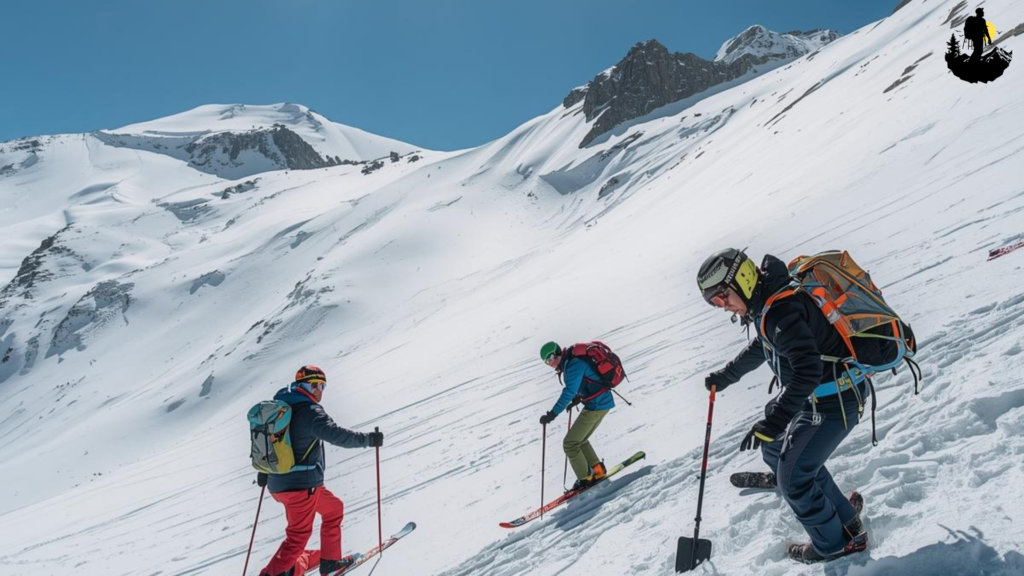
Practicing Avalance Safety Techniques
Avalanche knowledge stands at the center of backcountry skiing.
Safety essentials:
- Take an AIARE Level 1 avalanche course
- Perform beacon checks before every trip
- Practice probe and shovel techniques
- Learn snowpack testing methods
- Avoid slopes above 30 degrees during unstable conditions
- Travel one at a time across suspect areas
Avalanche safety benefits:
- Prevents life-threatening traps
- Builds team trust
- Enhances decision-making on steep terrain
Avalanche preparedness transforms risk into informed caution.
Moving Safely Through Forested and Exposed Terrain
Backcountry terrain includes tight forests, open bowls and narrow chutes.
Tree-skiing safety tips:
- Maintain moderate speed
- Keep eyes focused on gaps, not trees
- Stay clear of tree wells
- Ski with a buddy in dense zones
Open-slope strategies:
- Assess slope angle carefully
- Avoid cornices
- Stay aware of hidden rocks
- Use controlled turns to manage speed
Terrain awareness improves safety and fluidity on remote slopes.
Handling Weather Changes in Remote Mountain Regions
Weather changes rapidly in remote winter environments.
Weather challenges:
- Sudden whiteouts
- Strong winds
- Temperature drops
- Snowstorms forming quickly
- Ice layers are making descents slick
Preparation tips:
- Check weather forecasts
- Carry extra layers
- Pack goggles for varying light
- Track wind direction
- Turn around if visibility drops too low
Attention to weather protects you from preventable danger.
Staying Fueled and Hydrated in Cold Conditions
Cold temperatures increase calorie burn significantly.
Hydration strategies:
- Use insulated water bottles
- Sip often, even when not thirsty
- Store water upside-down to prevent freezing
Food choices:
- High-calorie snacks
- Nuts and dried fruit
- Energy bars that remain soft in cold weather
- Sandwiches wrapped in thermal materials
Proper nutrition prevents fatigue and improves focus.
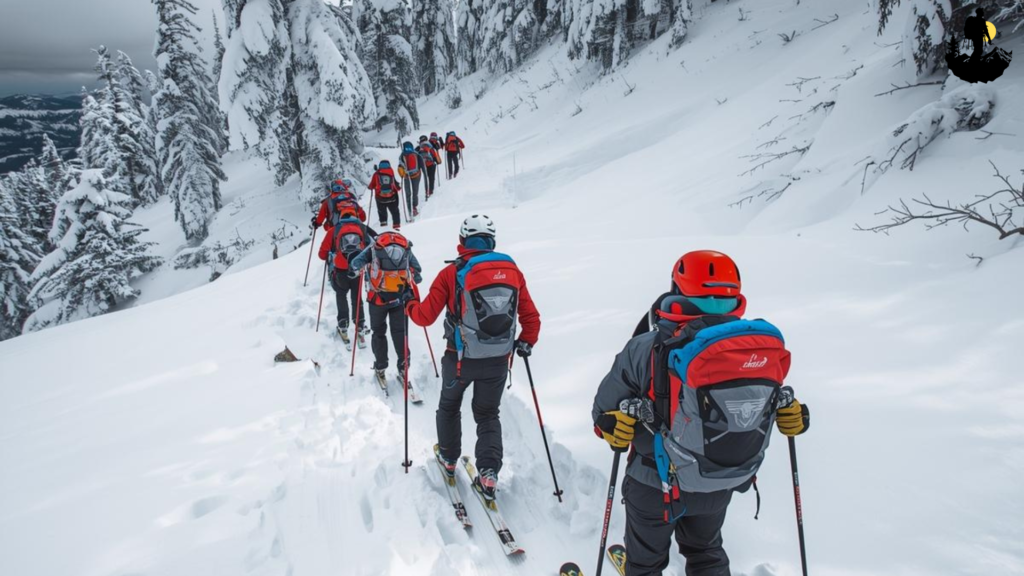
Building Confidence Through Group Safety Techniques
Group travel strengthens safety on remote snowfields.
Group practices:
- Stay within voice distance
- Communicate slope concerns
- Share navigation duties
- Space out on avalanche-prone terrain
- Rotate trail-breaking roles
Benefits of group awareness:
- Faster decision-making
- Better support during accidents
- More accurate terrain assessment
Teamwork becomes a major asset during demanding excursions.
Capturing the Experience Through Backcountry Photography
Remote skiing offers scenes that feel cinematic.
Photo ideas:
- Golden-hour ridge shots
- Powder plumes during turns
- Ski tracks slicing fresh snow
- Wide shots of untouched alpine basins
- Close-ups of ice crystals and snow textures
Photography tips:
- Keep camera gear insulated
- Use wrist straps on steep slopes
- Avoid removing gloves for long periods
Photography becomes a way to relive every slope you conquer.
Reflecting on the Adventure of Backcountry Skiing USA
Backcountry skiing encourages exploration, strength, and respect for nature. Remote U.S. snowfields reward skiers who prepare well, stay aware, and appreciate the power of winter landscapes. A skier who embraces backcountry skiing in the USA experiences gains adventure in its purest form, carving through quiet basins, facing unpredictable terrain, and discovering freedom beyond marked trails.
Every climb strengthens your determination. Every descent fills you with exhilaration. Every remote mountain reminds you why the wilderness matters. Backcountry skiing becomes more than a sport; it becomes a way of connecting deeply to nature’s raw, snowy beauty.