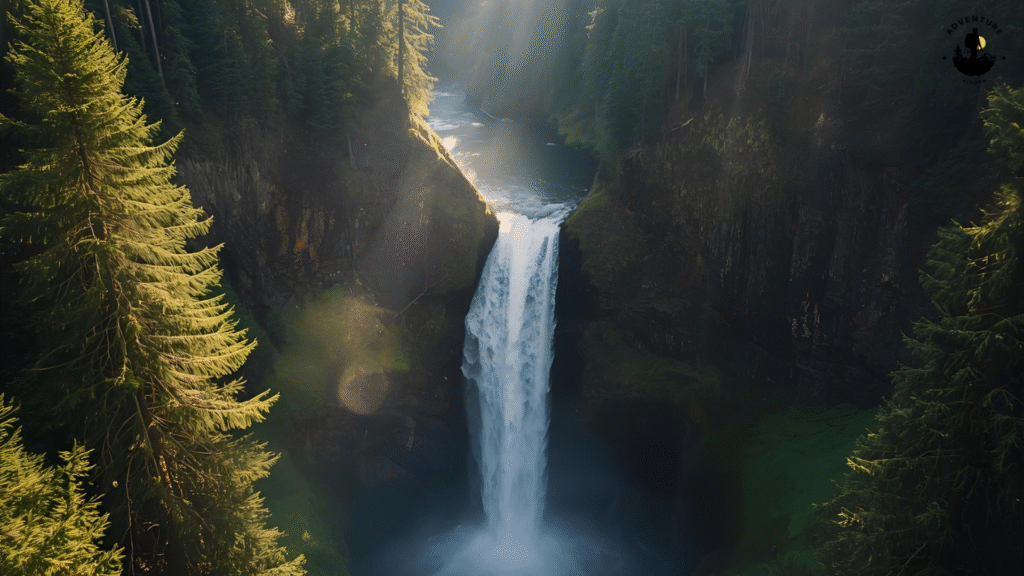
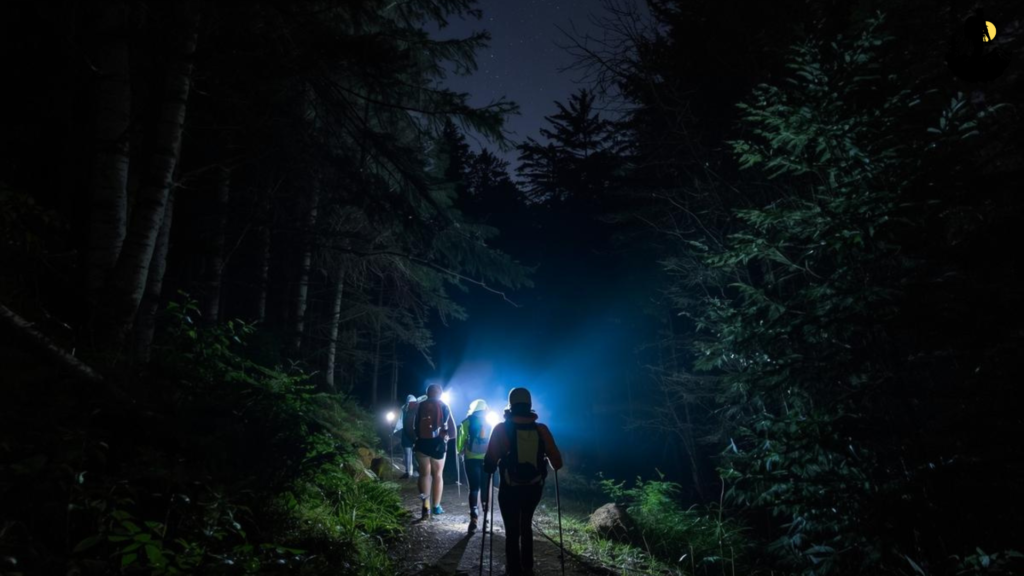
Night-hiking turns familiar landscapes into mysterious, peaceful adventures. Forests become quieter, skies grow brighter, and trails feel more personal. Many explorers across the United States search for lesser-known paths that avoid crowds yet remain safe for after-dark journeys. A calm, thoughtful approach transforms these outings into memorable experiences. Anyone exploring night hiking, hidden USA destinations, gains a deeper connection to the sounds, scents, and rhythms of nocturnal nature.
Darkness invites awareness. Footsteps sound louder. Stars appear more intense. Trails that feel ordinary in daylight gain charm at night.
Why Night-Hiking Appeals to Modern Explorers?
Night adventures offer a refreshing alternative to daytime hiking.
Key motivations:
- Cooler temperatures during warm seasons
- Freedom from crowded daytime trails
- Better chances of seeing nocturnal wildlife
- Unique photographic opportunities
- Greater focus on senses beyond sight
Emotional rewards:
- Peaceful silence that encourages reflection
- Sense of independence
- Increased appreciation for natural darkness
- Excitement that comes from traveling by moonlight
Night-hiking nurtures calm confidence and a new perspective on beloved landscapes.
Choosing Gear Designed for Safe Night Exploration
Gear selection affects both comfort and safety in dark conditions.
Essential items:
- Bright headlamp with adjustable beam
- Backup flashlight
- Reflective clothing or armbands
- Trail map or offline navigation app
- Weather-appropriate jacket
- Comfortable hiking boots
- Trekking poles for uneven terrain
- Whistle for emergency signaling
- Small first-aid kit
- Fully charged phone or satellite communicator
Why specialized gear helps:
- Enhances visibility
- Reduces the risk of tripping
- Improves navigation accuracy
- Allows calm response during emergencies
Prepared explorers enjoy steadier, safer journeys.
Selecting Safe Hidden Trails Suitable for Night-Hiking
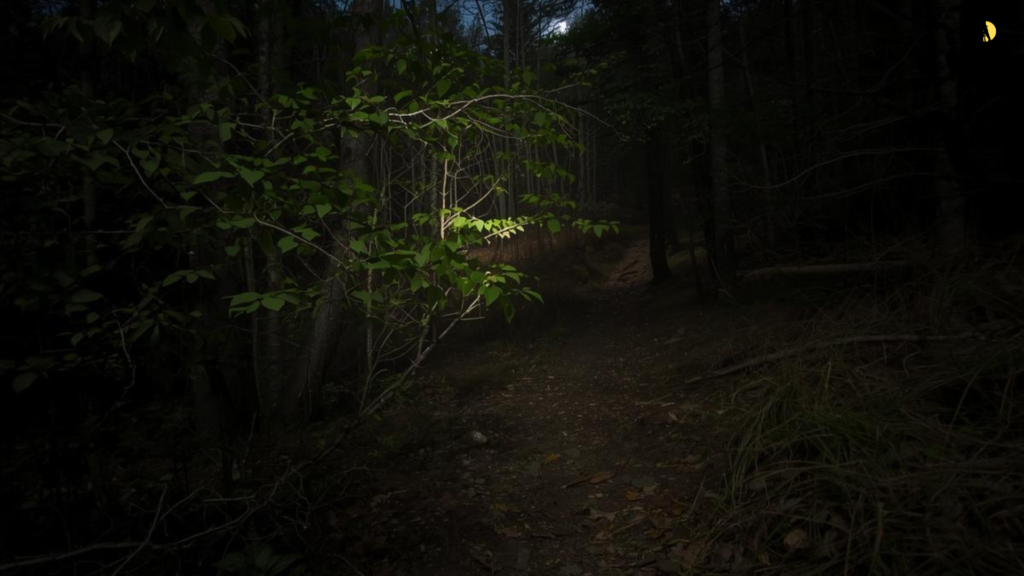
Trail choice influences how enjoyable and safe the hike becomes.
Qualities of good night-hiking trails:
- Clear, well-maintained paths
- Minimal steep drops
- Limited wildlife risk
- Trails near small towns or ranger stations
- Routes marked by reflective trail blazes
Ideal hidden locations across the USA:
- Midwest forest preserves
- Western desert paths near campgrounds
- Southern woodland loops maintained by state parks
- Northeast lake-edge trails
- Pacific Northwest mossy forest routes
Trail familiarity enhances safety for first-time night explorers.
Reading the Trail Using Light, Sound, and Ground Texture
Night environments require multisensory observation.
Useful nocturnal cues:
- Light reflection on rocks reveals obstacles
- Crunch patterns that signal shifts in terrain
- Sounds of streams guiding direction
- Rustling leaves indicate nearby wildlife
- Moon shadows reveal dips and branches
Reasons sensory awareness is vital:
- Helps you adjust pace
- Improves understanding of surroundings
- Reduces the likelihood of missteps
- Enhances the excitement of the experience
Night-hiking sharpens instincts and attentiveness.
A controlled pace increases confidence and reduces injury risks.
Footwork guidelines:
- Take smaller, deliberate steps
- Keep weight centered
- Use trekking poles to check uncertain ground
- Avoid sudden direction changes
- Scan a few feet ahead rather than staring at your feet
Benefits of controlled movement:
- Prevents tripping on roots and rocks
- Improves balance
- Helps conserve energy
- Supports steady breathing
Night hiking rewards slow, thoughtful motion.
Navigating Using Moonlight and Artificial Light
Light conditions dictate how easily you move through the trail.
Moonlight strategies:
- Choose full-moon nights for natural brightness
- Let your eyes adjust before switching lamps
- Use moonlit clearings to reorient
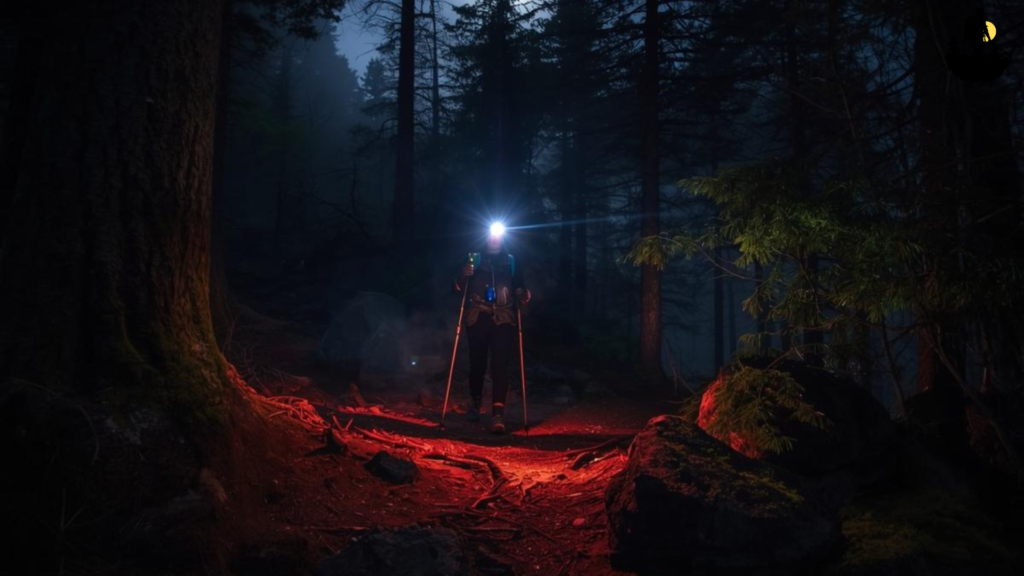
- Preserve night vision by avoiding sudden bright beams
Artificial light strategies:
- Aim the headlamp slightly downward
- Use low brightness on open, flat trails
- Switch to red light mode to protect night vision
- Save high brightness for steep or rocky sections
Balanced lighting improves both safety and enjoyment.
Staying Safe Through Clear Communication and Signals
Good communication strengthens group safety during night hikes.
Helpful signals:
- Two whistle blasts for attention
- Three blasts for emergencies
- Light flashes for distance signaling
- Simple verbal cues like “step”, “stop”, or “branch.”
Why communication matters:
- Keeps groups together
- Prevents confusion
- Supports quick responses
- Ensures safer movement through narrow paths
A coordinated group remains calm even in near darkness.
Avoiding Wildlife Disturbance During Night Hikes
Night creatures behave differently from daytime wildlife.
Wildlife safety tips:
- Maintain consistent noise so animals sense your presence
- Keep food sealed
- Avoid surprising animals near water sources
- Move slowly near rustling vegetation
- Maintain distance from glowing eyes spotted at night
Species commonly encountered:
- Deer grazing in open areas
- Owls hunting silently
- Raccoons exploring food sources
- Coyotes calling from afar
Respecting wildlife preserves harmony on hidden trails.
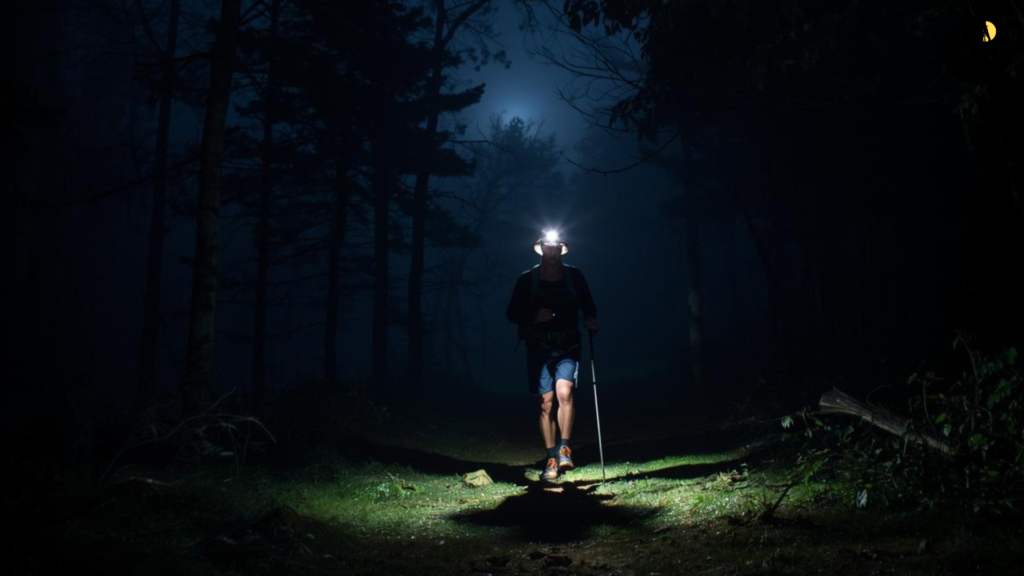
Managing Fear and Building Confidence on Dark Trails
A quiet, dark trail may feel intimidating for beginners.
Ways to manage fear:
- Focus on breathing rhythm
- Stay aware of your surroundings
- Trust gear and preparation
- Keep group conversations flowing
- Use familiar trails before trying new ones
- Remind yourself that darkness is natural, not threatening
Confidence benefits:
- Better decision-making
- More controlled steps
- Stronger enjoyment of the journey
Night-hiking becomes easier as comfort and familiarity grow.
Preparing for Emergencies Unique to Night-Hiking
Preparation ensures a quick response when conditions shift.
Possible nighttime emergencies:
- Light failure
- Sudden fog
- Temperature drops
- Loss of trail markers
- Minor falls
Solutions:
- Carry two light sources
- Keep warm layers easily accessible
- Store an emergency blanket in a backpack
- Mark turns or forks with reflective tape
- Backtrack slowly if disoriented
Calm, practiced responses keep emergencies manageable.
Capturing Night-Hiking Moments Through Photography
Night environments offer powerful photographic opportunities.
Photo ideas:
- Silhouettes against moonlit backgrounds
- Stars reflected in lakes
- Headlamp light trails on forest paths
- Macro shots of dew and frost
- Long exposures capturing shadow movement
Equipment suggestions:
- Tripod for stability
- A camera capable of low-light shooting
- Remote shutter for long exposures
- Lens cloth for nighttime moisture
Night photography adds artistic dimension to hidden-trail adventures.
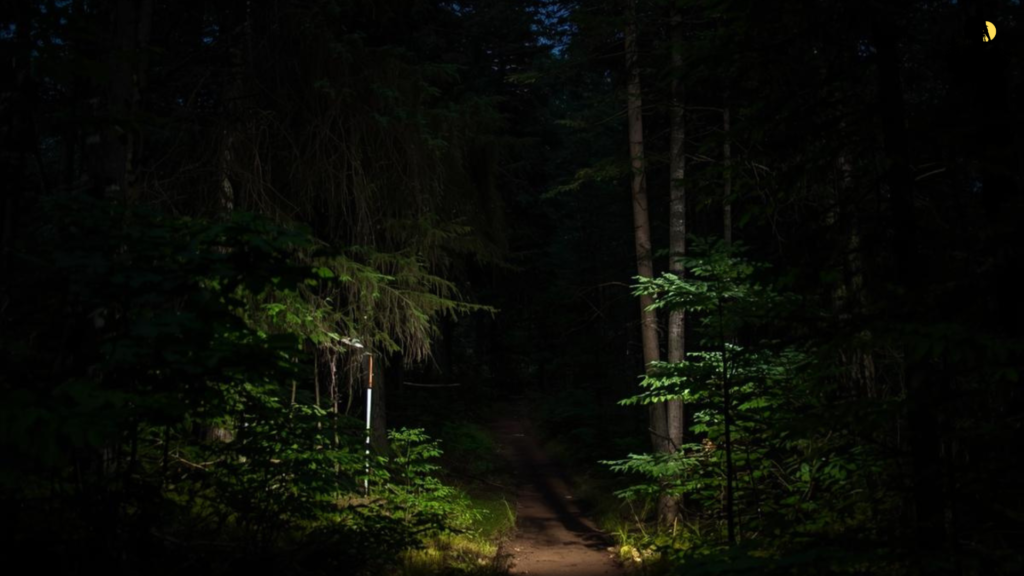
Finding Hidden Trails Suited for Night Hiking Hidden USA
Some regions across the United States provide ideal night-hiking paths away from heavy tourism.
Examples of hidden yet safe regions:
- Quiet Midwest forest preserves
- Desert trails near Arizona or Utah campgrounds
- Small coastal forests along the Great Lakes
- Appalachian foothill loops away from main highways
- Northern woodland parks in Minnesota and Wisconsin
Clues a hidden trail is safe for night use:
- Clear trail markers
- Light forest cover
- Moderate wildlife presence
- Reliable cell coverage or ranger supervision
- Well-maintained path quality
Hidden trails bring peaceful solitude without sacrificing safety.
Reflecting on the Value of Night Hiking in Hidden USA
Night hiking offers a powerful blend of adventure, peace, and heightened perception. Trails that feel ordinary during the day become extraordinary in the darkness. Explorers who embrace night hiking and hidden USA destinations enjoy nature in its quietest form. Every step becomes intentional. Every sound becomes meaningful. Every shadow carries a story.
A safe, well-planned night hike builds confidence, strengthens outdoor skills and deepens appreciation for landscapes rarely seen after sunset. The experience stays with you long after sunrise returns.