
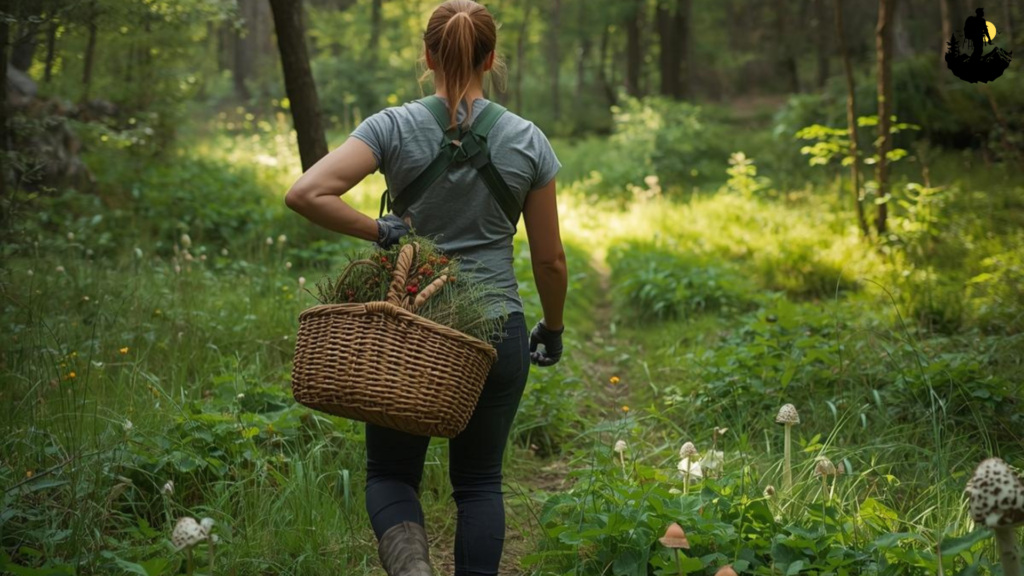
Wild foraging across Midwestern landscapes offers a rewarding blend of exploration, curiosity, and sustainable living. Forests, prairies, riverbanks, and rolling meadows hide a wide range of edible plants that supported generations of Indigenous communities and early settlers. Anyone seeking Wild Foraging Adventures in the Midwest discovers flavors tied deeply to regional history, local ecosystems, and seasonal rhythms. A journey through these landscapes becomes both an outdoor adventure and a lesson in food connection.
New foragers often feel amazed at how many edible species grow in plain sight. Every trail, field, and woodland edge offers something unique once you know how to observe the environment thoughtfully.
Why the Midwest Offers Perfect Foraging Opportunities?
The Midwest contains one of the most diverse edible plant ecosystems in North America.
Reasons the region is ideal for foraging:
- Abundant rainfall that supports lush plant growth
- Variety of terrains including prairies, woodlands and wetlands
- Distinct seasons that create predictable harvest cycles
- Low-density wild areas that remain unchanged for centuries
- Numerous state parks that protect native plants
What adventurers enjoy most:
- Freedom to explore large, open spaces
- Nature that feels less commercialized than coastal areas
- Wildlife-filled environments that enhance immersion
These landscapes reward patient explorers eager to discover hidden flavors.
Essential Gear for Safe and Successful Foraging
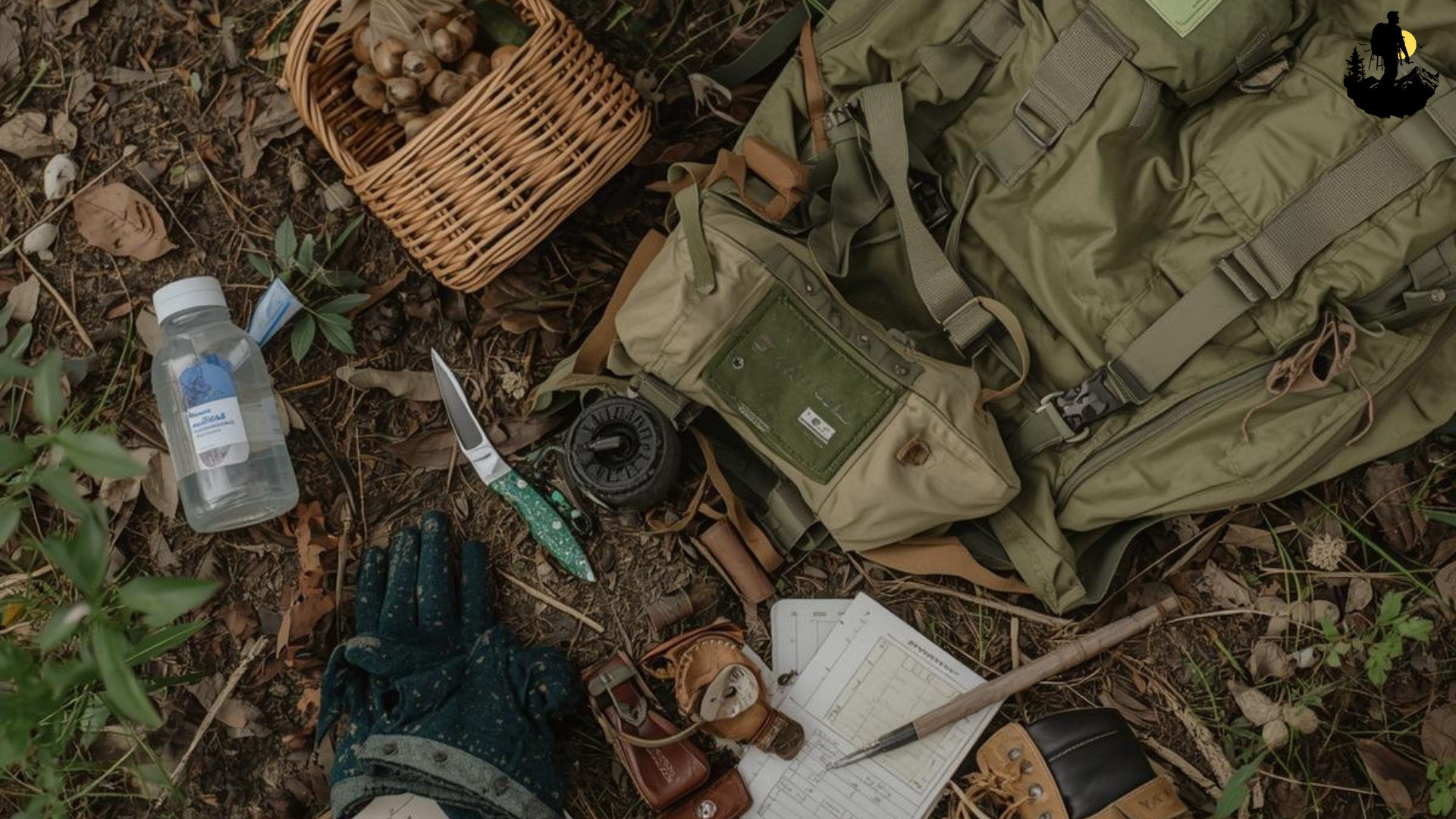
Proper gear makes every outing more productive and enjoyable.
Recommended items:
- Foraging basket or breathable cloth bag
- Sharp knife or small shears
- Field guide specific to Midwestern plants
- Smartphone for mapping trails
- Gloves for thorny plants
- Durable boots for uneven terrain
- Small notebook for plant notes
- Water bottle to stay hydrated
- Light backpack to store gear
Why gear matters:
- Keeps harvest clean and undamaged
- Helps identify species correctly
- Supports strong mobility
- Ensures safe movement through dense vegetation
Smart preparation improves confidence and reduces risk.
Learning to Identify Edible vs. Toxic Species
Correct identification remains one of the most important skills in foraging.
Common edible plants beginners often learn first:
- Morel mushrooms
- Wild ramps
- Blackberries
- Mulberries
- Wild asparagus
- Lamb’s quarters
- Dandelion greens
- Sumac berries
- Prickly pear pads (in western Midwest regions)
Common toxic lookalikes:
- False morels
- Poison hemlock
- Water hemlock
- Nightshade berries
- Pokeweed roots
- Buckthorn berries
Identification tips:
- Use multiple sources when confirming plants
- Examine leaves, stems and growth patterns
- Look for habitat clues
- Photograph unfamiliar species for later study
Identification accuracy ensures a safe and satisfying experience.
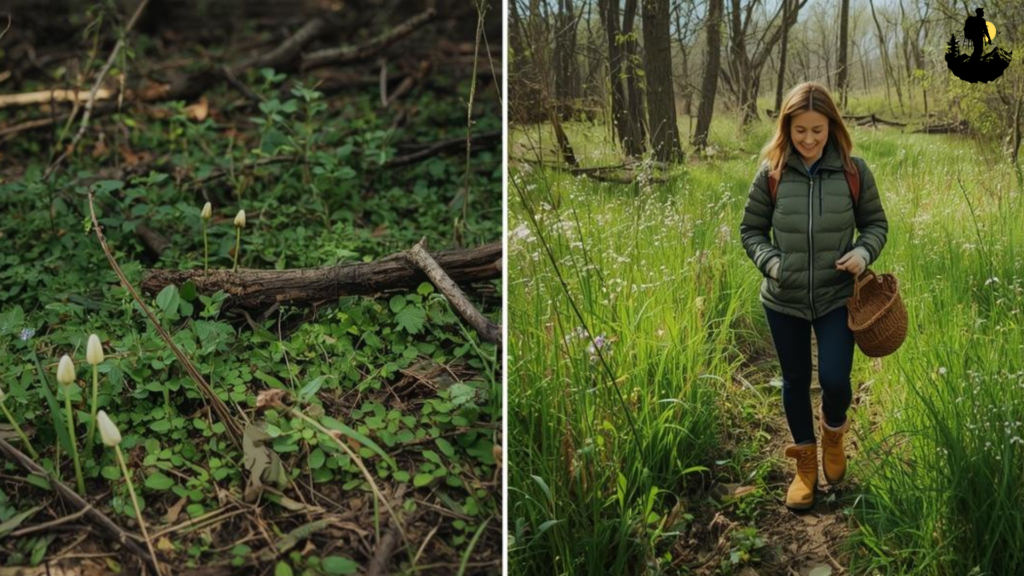
Exploring Prime Foraging Habitats Across the Midwest
Each habitat contains its own seasonal treasures.
Forests:
- Morels in early spring
- Ramps in moist understory
- Hickory nuts in late summer
- Wild grapes on tree edges
- Chanterelles after warm rains
Prairies:
- Prairie turnips
- Edible flowers like bee balm
- Milkweed shoots (properly cooked)
- Sunflower relatives
Wetlands and riverbanks:
- Cattail roots
- Wild rice (in northern regions)
- Mint varieties
- Watercress in clean streams
Meadows and open fields:
- Red clover flowers
- Chicory roots
- Dandelion greens
- Burdock root
Habitat knowledge helps you find species at the right time and place.
Following Seasonal Cycles for Foraging Success
Seasonal awareness ensures you collect plants at peak flavor and nutrition.
Spring highlights:
- Morels
- Ramps
- Nettles
- Wild asparagus
- Violets
Summer highlights:
- Blackberries
- Mulberries
- Elderflowers
- Mint
- Wild plums
Autumn highlights:
- Acorns
- Hazelnuts
- Late-season berries
- Sumac clusters
- Hen-of-the-woods mushrooms
Winter opportunities:
- Pine needles for tea
- Rose hips
- Persisting apples or crabapples
Seasons guide your approach and influence the excitement of discovery.
Navigating Safety Skills During a Wild Foraging Adventure
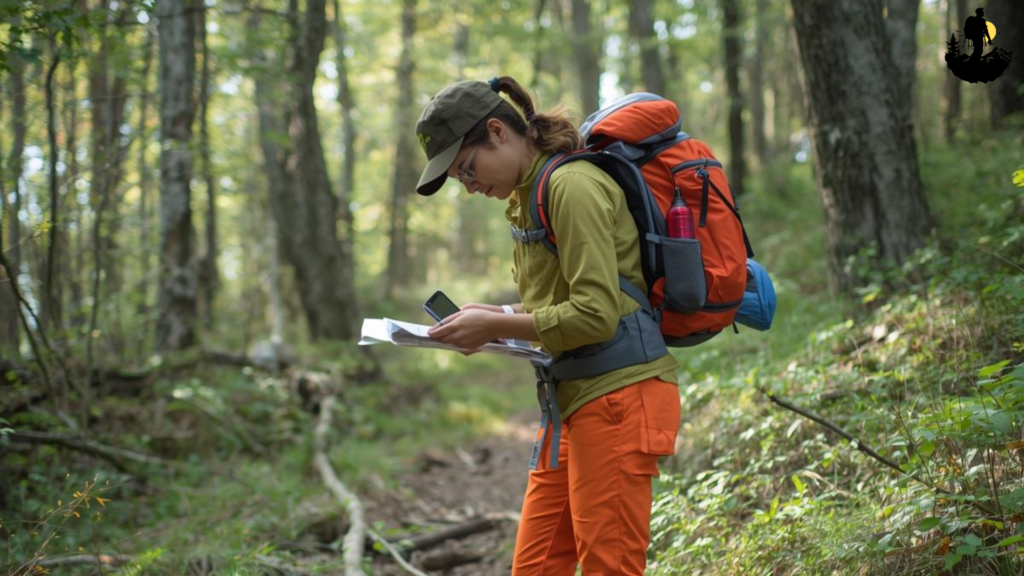
Safety remains essential for new foragers exploring remote areas.
Core safety practices:
- Inform someone about your location
- Carry a map or an offline navigation tool
- Avoid foraging near highways or polluted water
- Check weather forecasts before heading out
- Wear bright clothing during hunting seasons
- Stay aware of ticks and mosquitoes
- Pack a basic first-aid kit
Why safety matters:
- Prevents accidents in unpredictable terrain
- Reduces the risk of consuming contaminated plants
- Helps explorers maintain focus
A safe foraging outing keeps the adventure enjoyable.
Practicing Ethical and Sustainable Foraging Principles
Ethical foraging protects plants, wildlife, and ecosystems.
Sustainable guidelines:
- Take only small amounts from each plant cluster
- Avoid uprooting entire plants unless necessary
- Leave enough behind for wildlife
- Harvest from healthy, abundant populations
- Observe posted rules in parks and nature preserves
- Stay on established trails when possible
Environmental benefits:
- Protects plant regeneration
- Supports long-term ecosystem health
- Prevents habitat degradation
Sustainable foraging ensures future generations can experience these landscapes.
Tasting Wild Flavors Found Only in the Midwest
Every foraged ingredient carries a unique regional taste.
Flavor highlights:
- Earthy richness from morels
- Sweet tang from mulberries
- Onion-like sharpness from ramps
- Spicy brightness from watercress
- Lemon-like tang from sumac berries
- Fresh herbal notes from wild mint
Simple preparation ideas:
- Ramp butter for camping meals
- Morel sauté with garlic
- Dandelion salad with lemon dressing
- Sumac tea brewed on the trail
- Wild berry oatmeal for morning hikes
Wild foods turn outdoor adventures into culinary experiences.
Tracking Wildlife While Foraging in the Midwest
Wild foraging often leads to unexpected wildlife encounters.
Common wildlife signs:
- Deer tracks near berry-rich areas
- Beaver activity around river plants
- Bird calls indicating fruiting trees
- Fox or coyote tracks along meadow edges
- Squirrels dropping nut shells
Respectful coexistence tips:
- Give animals plenty of space
- Avoid loud noises
- Stay calm if you encounter large wildlife
- Keep food sealed
- Observe from a distance
Wildlife adds magic and unpredictability to every outing.
Recording Foraging Finds in a Personal Nature Journal
A journal helps preserve memories and build plant knowledge.
Journal ideas:
- Sketch leaves and flowers for future identification
- Record dates and weather conditions
- Note habitat details
- Track flavor differences
- Write reflections from your adventure
- Add photographs or pressed leaves
Benefits of journaling:
- Strengthens learning
- Helps recognize seasonal patterns
- Creates a personalized guide over time
A journal becomes a treasured companion on future foraging adventures.
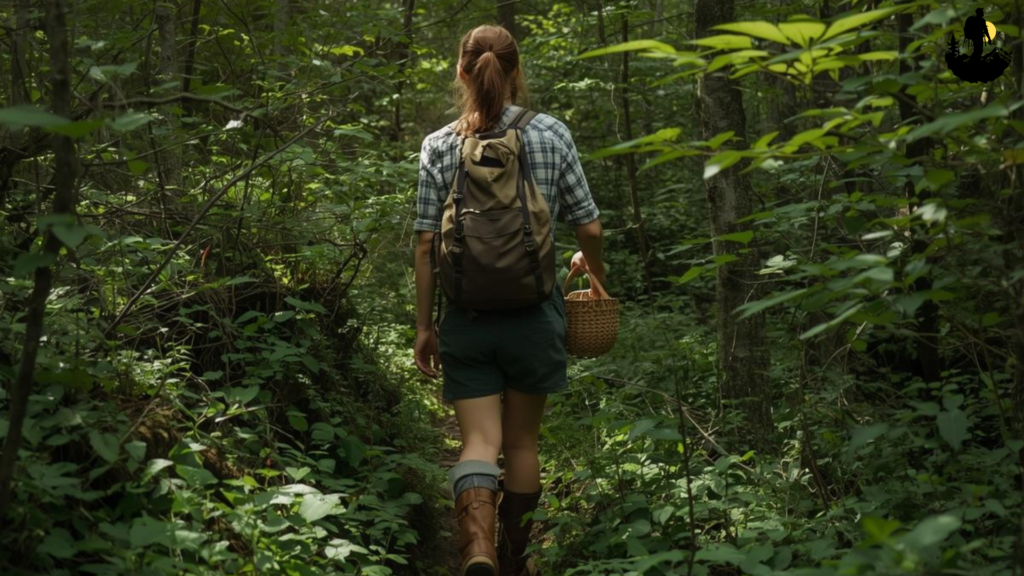
Discovering Hidden Trails for Wild Foraging Adventures in the Midwest
Many rewarding foraging spots remain tucked away from busy parks.
Places foragers often explore:
- Small-town nature preserves
- River corridors
- Less-traveled state park trails
- Prairie restoration sites
- Public lands near rural communities
Clues for finding rich foraging zones:
- Damp soils that support wild greens
- Sunlit openings for berry bushes
- Decaying logs where mushrooms thrive
- Edges of forests where plants receive partial sunlight
Hidden trails often become personal favorites for long-term exploration.
Reflecting on the Joy of Wild Foraging Adventures in the Midwest
Wild foraging invites people to slow down and appreciate what nature offers. The Midwest holds landscapes shaped by seasons, wind, and ancient prairies. Explorers who embark on Wild Foraging Adventures in the Midwest gain more than food; they gain stories, knowledge, and a deeper connection to local ecosystems.
A walk through the woods becomes a moment of discovery. A handful of berries becomes a taste of regional history. Every plant teaches something new about resilience, adaptation, and the rhythms of the natural world. Foraging transforms an ordinary trail into an immersive journey filled with flavor, learning, and gratitude.