Drone photography opens up breathtaking opportunities across nature spots in the United States. Wide valleys, rugged mountains, river bends, and desert formations look extraordinary from the sky. Many beginners get excited about capturing natural beauty yet unknowingly break legal rules. A clear understanding of drone laws nature usa protects you from penalties and ensures safe flying experiences.
Responsibility must guide every flight. Natural spaces are fragile. Wildlife reacts to noise. Visitors seek peace. Legal knowledge empowers you to respect both the environment and the law while still enjoying creative freedom.
Why Drone Laws Matter for Nature Photography
Drone laws protect ecosystems, wildlife, and visitor privacy across natural areas.
Reasons these laws exist:
- Protect wildlife from stress caused by the buzzing noise
- Prevent collisions above crowded viewpoints
- Maintain privacy for hikers and campers
- Reduce wildfire risks from malfunctioning batteries
- Preserve natural soundscapes
- Protect culturally sensitive locations
Benefits for you as a beginner:
- Avoid legal trouble
- Gain peace of mind while flying
- Learn responsible habits early
- Earn respect within the drone community
Legal awareness strengthens your foundation as a nature drone photographer.
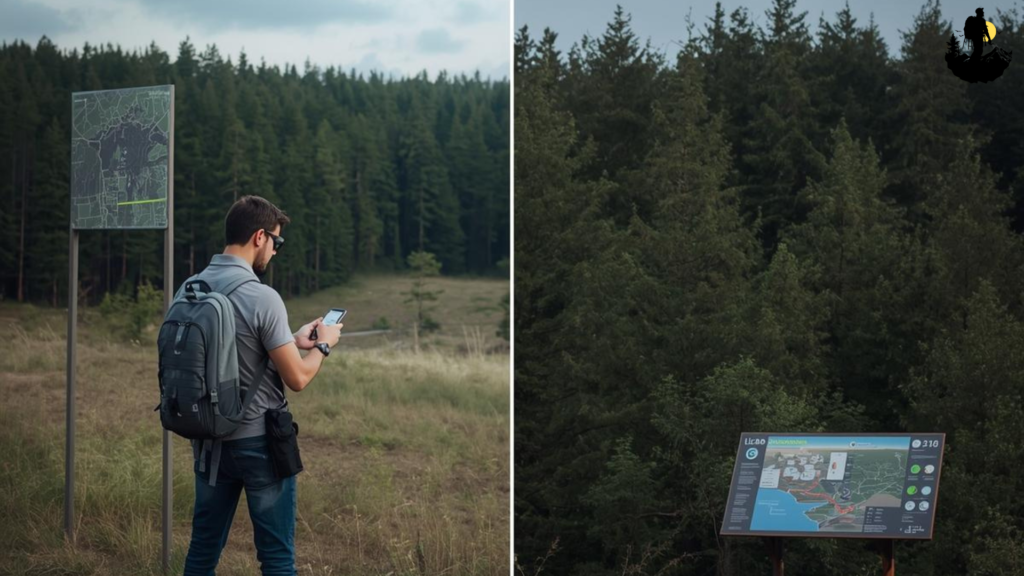
Knowing Where You Can Fly and Where You Cannot
Some nature locations allow drones. Others ban them entirely.
Common no-fly areas:
- National Parks under NPS jurisdiction
- Wildlife refuges
- Wilderness areas
- Tribal lands without permission
- State parks that prohibit drones
- Protected habitats for endangered species
Places that sometimes allow drones:
- State parks with designated flight zones
- National Forests
- Bureau of Land Management locations
- Public lakes and grasslands
- Local nature reserves that issue special permits
Tools to check flight zones:
- FAA’s B4UFLY app
- Airmap
- DroneZone maps
A quick map check before flying prevents accidental violations.
Registering Your Drone Under FAA Requirements
Registration becomes mandatory once your drone meets certain criteria.
When registration is required:
- Drone weighs more than 250 grams
- Drone used for commercial purposes
- Drone flown near sensitive airspace
Steps for registration:
- Create an FAA DroneZone account
- Enter drone serial number
- Pay a small registration fee
- Print or save your registration document
- Stick your number on the drone
Why registration helps:
- Ensures accountability
- Connects you to FAA safety updates
- Demonstrates responsible flying
Even beginners benefit from early compliance.
Understanding the Recreational Flyer Rule (TRUST Test)
Beginners who fly drones for fun must follow the recreational flyer guidelines.
Key steps:
- Take the TRUST test
- Receive the completion certificate
- Keep the certificate accessible during flights
What the test teaches:
- Basic safety
- Airspace rules
- Situational awareness
- Emergency handling
Why beginners need it:
- Simple requirement
- Free and beginner-friendly
- Helps build strong habits
- Recognised across the United States
Passing TRUST shows you understand fundamental drone laws, Nature USA.
Following Airspace Rules in Natural Areas
Understanding airspace prevents conflict with manned aircraft.
Airspace basics:
- Class G: usually safe for drones below 400 feet
- Class E and D: controlled airspace requiring authorization
- Class B and C: near busy airports, heavily restricted
Steps for safe flying:
- Check the airspace before every flight
- Request LAANC authorization when required
- Avoid flying near emergency operations
- Maintain awareness of nearby aircraft
Airspace awareness keeps both drones and pilots safe.
Maintaining the 400-Foot Altitude Limit
Altitude limits protect manned aircraft such as helicopters and small planes.
Rules to follow:
- Stay below 400 feet in uncontrolled airspace
- Keep altitude lower if wildlife is nearby
- Avoid sudden vertical climbs
- Monitor your controller’s height indicator
Why the limit matters:
- Ensures shared air safety
- Prevents dangerous encounters
- Reduces noise impact on nature
Altitude control supports safe and respectful photography.
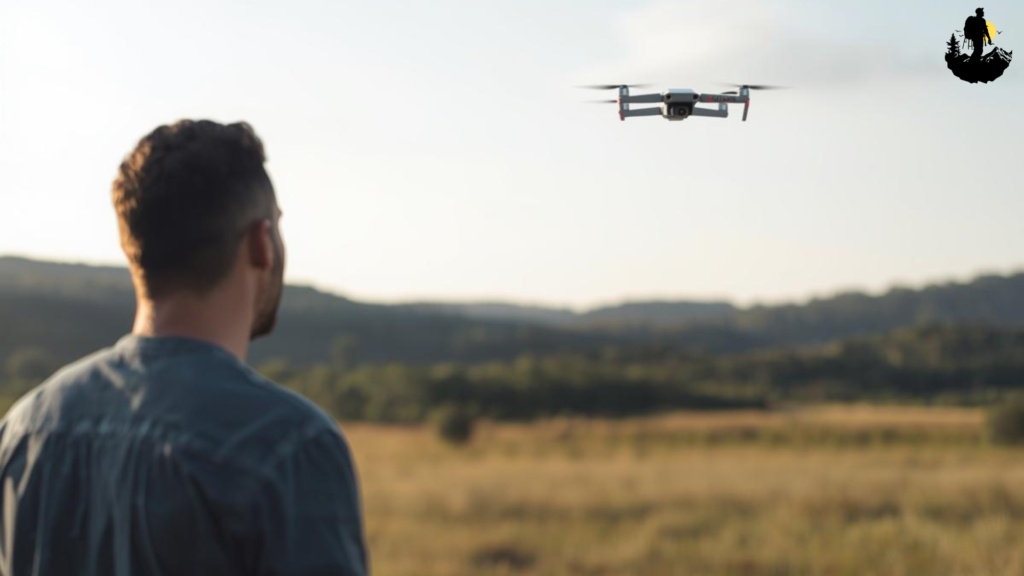
Keeping Visual Line of Sight While Flying
Visual Line of Sight (VLOS) remains essential for beginners.
VLOS requirements:
- The drone must remain visible without binoculars
- No flying behind trees, hills or structures
- No flying during dense fog or smoke
- No reliance on FPV screens for primary visibility
Why VLOS protects beginners:
- Helps avoid collisions
- Improves orientation
- Supports faster reaction in emergencies
- Reduces the risk of losing your drone
Good visibility enhances both safety and creativity.
Protecting Wildlife When Flying in Nature Spots
Wildlife reacts strongly to drone presence. Protection must come first.
Respectful wildlife guidelines:
- Keep far from nesting birds
- Avoid flying near herds
- Never chase animals for dramatic footage
- Stop flying if animals show signs of distress
- Maintain calm, slow flight motions
Wildlife protection importance:
- Supports conservation
- Prevents harm
- Maintains natural behaviour patterns
- Shows ethical responsibility
Ethical flying helps preserve nature for future visitors.
Avoiding Crowds, Campers, and Privacy Violations
Beginners must understand privacy concerns in public nature areas.
Good privacy practices:
- Avoid flying directly over hikers
- Keep a distance from campgrounds
- Do not record people without permission
- Respect quiet zones
- Avoid hovering near families or children
Why privacy matters:
- Maintains peaceful nature experiences
- Protects visitor comfort
- Prevents legal complaints
- Builds trust in drone flyers
Privacy protection keeps natural spaces welcoming for everyone.
Handling Emergencies and Sudden Weather Changes
Natural environments change quickly. Beginners must prepare for emergencies.
Drone risks in nature:
- Sudden wind gusts
- Rising heat is affecting batteries
- Fast-moving clouds
- Birds attacking drones
- Compass interference near metal structures
Emergency steps:
- Use Return-to-Home wisely
- Keep batteries fully charged
- Land early if the wind feels unpredictable
- Monitor weather apps
- Keep a safe landing zone ready
Preparedness prevents damage and protects nature.
Using Permits When Required
Some nature spots require special permission for drone flights.
Locations that may require permits:
- State parks
- Certain beaches
- Protected wetlands
- Conservation zones
- Historical natural sites
Permit benefits:
- Gives legal protection
- Allows extended flying time
- Grants access to designated areas
- Reduces worry about enforcement
Beginners save trouble by checking permit rules ahead of time.
Choosing Beginner-Friendly Nature Locations for Legal Flying
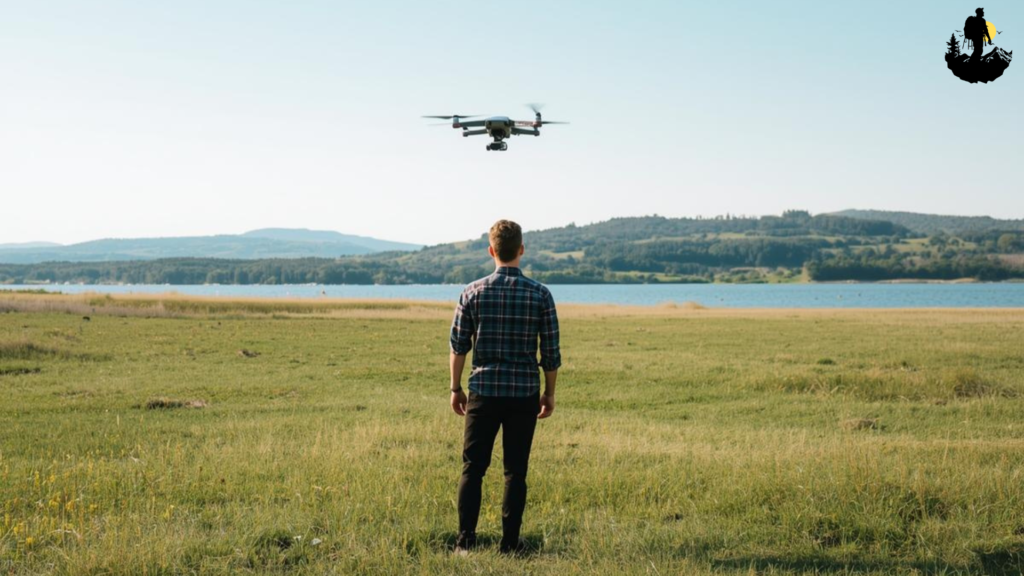
Some places make learning easier because they welcome drones and offer open space.
Beginner-friendly locations include:
- Large public lakes
- Desert landscapes
- Mountain foothills outside protected zones
- National Forest clearings
- Open meadows under Class G airspace
Why these areas help beginners:
- Fewer obstacles
- Lower visitor crowds
- Easier visibility
- Minimal wildlife sensitivity
Safe beginner zones improve confidence and technique.
Editing Drone Footage to Preserve Natural Atmosphere
Editing sharpens your story while keeping nature authentic.
Good editing practices:
- Avoid overly saturated colors
- Keep shadows natural
- Use gentle contrast
- Stabilize shaky footage
- Reduce noise in low-light scenes
- Maintain natural sound where possible
Editing purpose:
- Preserve realism
- Highlight natural beauty
- Keep the story true to the location
A clean edit enhances your nature-drone storytelling.
Reflecting on the Responsibility of Flying Drones in Nature
Drone photography offers remarkable creative freedom. A beginner gains unique perspectives and unforgettable views. A thoughtful flyer respects ecosystems, follows FAA rules, communicates safety, and protects natural spaces.
A beginner who learns the legal foundations early gains confidence, avoids penalties, and flies ethically. A strong understanding of drone laws in nature helps you enjoy nature from above without harming it.
Nature remains beautiful when photographers treat it with care. Your drone becomes a tool of appreciation rather than disruption.