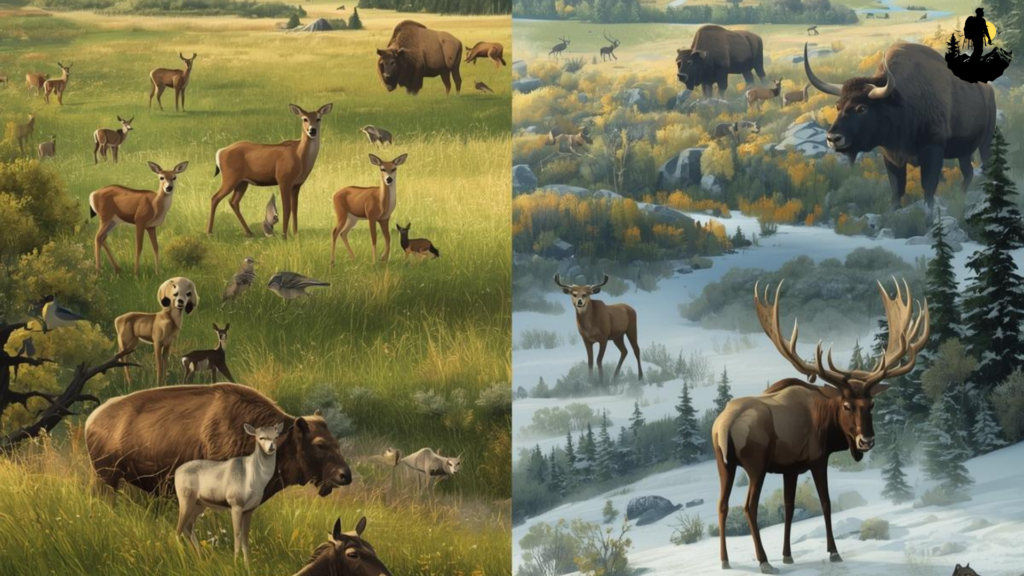
Across the United States, wildlife is an essential part of every outdoor journey. From moose in the Rockies to gators in the Southeast, and from black bears in Appalachia to bison in the Great Plains, animals shape the way travelers explore landscapes across the country. Understanding seasonal wildlife behavior matters because animals don’t act the same way year-round. Their diets, migrations, mating seasons, and daily habits shift as temperatures change.
This wildlife safety USA guide helps you understand how animal activity varies season by season so you can stay safe while enjoying America’s wild spaces.
Seasonal Wildlife Awareness Matters
Animal behavior changes throughout the year. Some species migrate long distances, some become protective during breeding season, and others aggressively search for food after winter scarcity. Travelers who understand these patterns can avoid risky encounters, choose smarter routes, and respect wildlife in a way that keeps both humans and animals safe.
Seasonal awareness helps you:
• Learn when animals are most active
• Understand what might trigger defensive behavior
• Protect food, campsites, and vehicles
• Avoid disturbing sensitive habitats
• Travel with knowledge rather than fear
The more prepared you are, the more confident your adventures become.
Spring Wildlife Safety: New Life and Protective Parents
Spring brings warmer temperatures, melting snow, and new life. Many species give birth during this season, making parents more defensive than usual.
Key animals to watch in spring:
• Deer and elk protecting newborn fawns and calves
• Bears emerging from hibernation with cubs
• Moose feeding heavily after winter scarcity
• Coyotes and foxes guarding dens
• Birds nesting and defending territories
Safety tips for spring:
• Never approach baby animals
• Keep dogs leashed—parents react aggressively to pets
• Give bears extra space on trails
• Stay aware near brush and meadows
• Respect seasonal closures for nesting areas
This is the season when animals are at their most protective.
Summer Wildlife Safety: Peak Activity and High Encounters
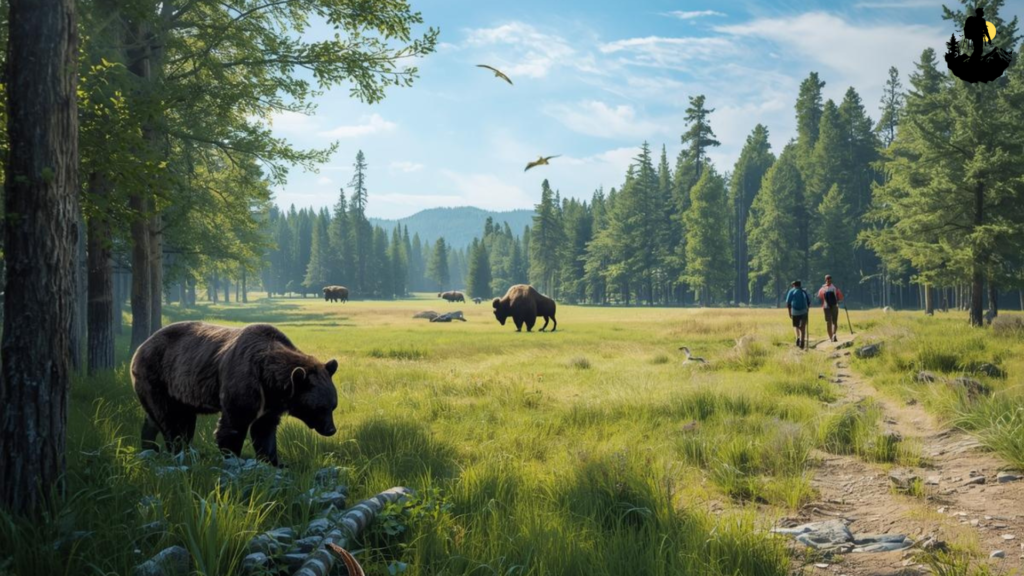
Summer is the busiest outdoor season, and animals are highly active due to food availability and long daylight hours. Encounters increase simply because more people are on the trails, campgrounds, and waterways.
Summer wildlife factors include:
• Snakes sunning on warm rocks and trails
• Bears searching for calorie-rich food
• Bison moving between grazing areas
• Mountain goats are frequently seen on alpine routes
• Alligators are more active in southern wetlands
• Insects like ticks and mosquitoes are peaking
Safety tips for summer:
• Watch where you place your hands and feet on rocky trails
• Store food in bear-proof containers
• Stay at least 25 yards from most wildlife and 100 yards from predators
• Never feed ducks, raccoons, chipmunks, or birds
• Wear insect repellent and check for ticks after hikes
Summer offers unforgettable wildlife viewing, just give animals space to live naturally.
Fall Wildlife Safety: Mating Season and Migration Challenges
Fall is one of the most dynamic wildlife seasons in the United States. Animals are preparing for winter, migrating, or entering mating seasons that change their behavior dramatically.
Key fall wildlife events:
• Elk and deer rut-males become territorial and unpredictable
• Moose rut-extremely protective and easily agitated
• Bear hyperphagia-intense feeding before hibernation
• Migratory birds traveling long distances
• Salmon runs are attracting predators
Safety tips for falls:
• Give elk and moose long distances; they may charge
• Keep food stored tightly as bears increase foraging
• Avoid blocking animal migration paths
• Be cautious near rivers and streams during salmon runs
• Stay off animal travel routes at dawn and dusk
Fall is beautiful, but animal encounters are more likely to escalate if you get too close.
Winter Wildlife Safety: Energy Conservation and Limited Movement
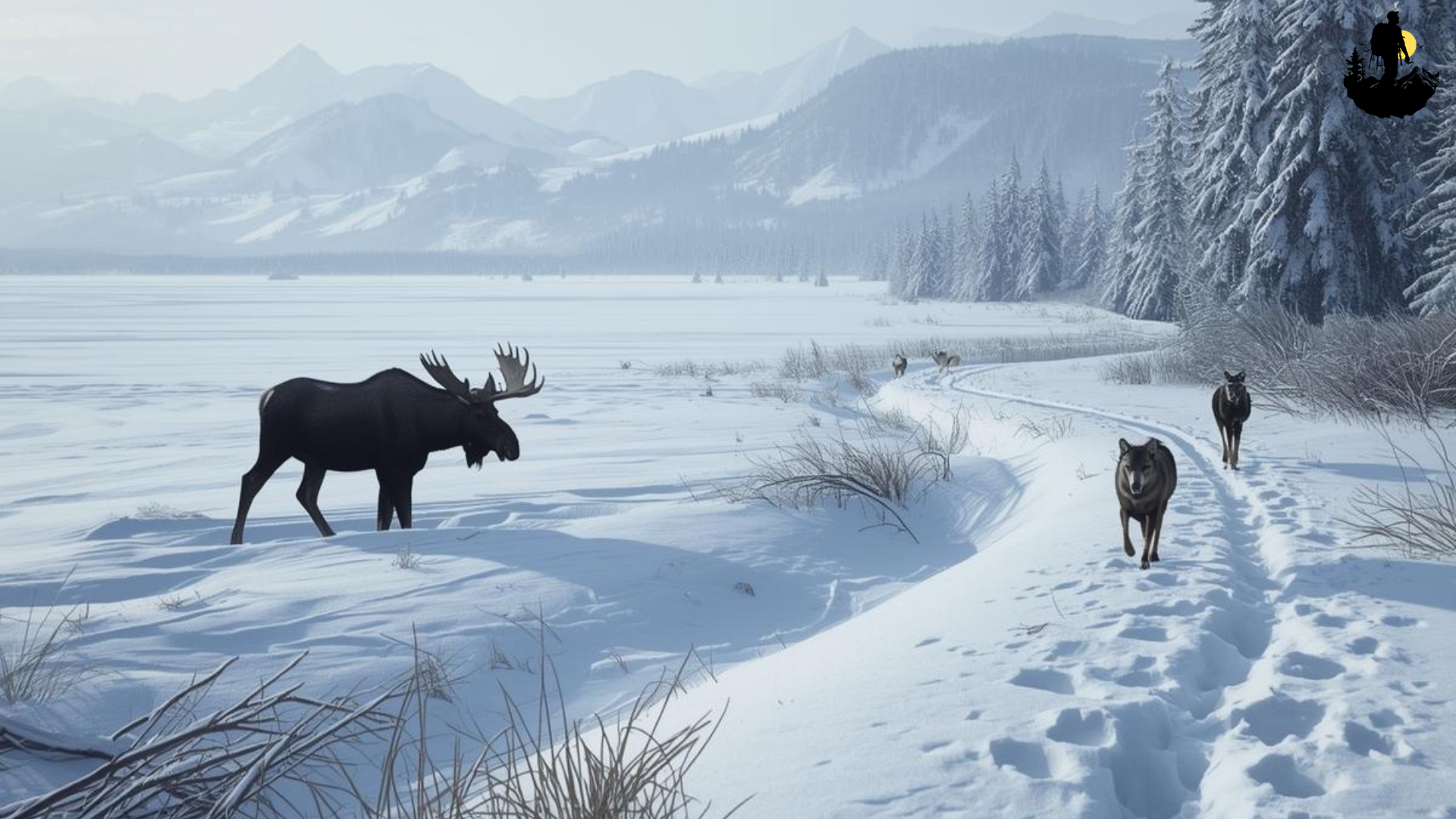
Winter shifts wildlife behavior sharply. Many animals reduce movement to conserve energy. Some hibernate, while others rely on stored fat and limited food availability.
Key winter conditions:
• Bears enter hibernation but may wake if disturbed
• Moose and deer struggle through deep snow
• Wolves and coyotes travel wide distances to find food
• Mountain lions follow deer tracks near winter trails
• Small animals hide under snowpack or forest debris
Safety tips for winter:
• Stay off areas marked as wildlife winter range
• Avoid disturbing denning animals
• Keep pets close as predators mistake them for prey
• Make noise when traveling through dense snowy terrain
• Stay aware of tracks that suggest predators nearby
Winter encounters are less frequent, but risks remain due to harsh conditions.
Regional Wildlife Safety Differences Across the U.S.
The United States spans deserts, plains, mountains, wetlands, and dense forests. Wildlife threats vary greatly by region.
Western States
• Black bears, grizzlies, mountain lions, moose, bison
• Snakes and scorpions in desert regions
Rocky Mountain Region
• Moose, elk, black bears, mountain goats, wolves
Southeast & Gulf Coast
• Alligators, snakes, feral hogs, and large insects
Midwest & Great Plains
• Bison, deer, coyotes, and occasional mountain lions
Northeast
• Black bears, moose, ticks, and aggressive deer
Alaska
• Grizzlies, moose, wolves, wolverines, cold-weather hazards
Each region requires different expectations and safety practices.
Food Storage and Campsite Safety in All Seasons
Food is the number one reason animals approach humans. Keeping food secure protects both you and the wildlife.
Safe storage options:
• Bear canisters
• Bear lockers at campsites
• Hard-sided vehicles
• Odor-proof bags as backups
• Elevated food hangs where allowed
General rules:
• Never leave food or trash unattended
• Cook and store food away from sleeping areas
• Clean dishes immediately
• Avoid scented hygiene products in wild zones
A clean campsite dramatically reduces wildlife encounters.
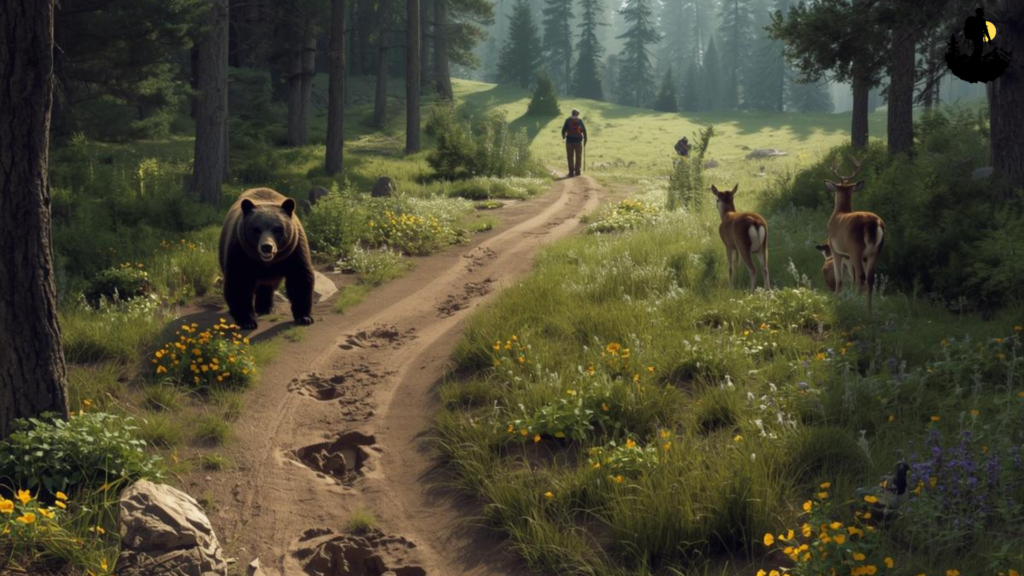
Wildlife Safety for Hikers, Backpackers, and Trail Travelers
Hikers and backpackers are more likely to encounter wildlife simply because they travel quietly and spend more time in remote areas.
Key hiking tips:
• Make noise in dense brush to avoid surprising animals
• Stay alert at dawn and dusk when many species are active
• Keep dogs leashed
• Learn to identify local animal tracks and scat
• Carry bear spray where recommended
• Stay on marked trails to reduce unexpected encounters
Most wildlife incidents happen because hikers unintentionally approach animals too closely.
Wildlife Safety While Driving in Animal-Rich Areas
Animals crossing roads cause thousands of accidents annually. Seasonal patterns influence when and where collisions are most likely.
High-risk conditions:
• Dawn and dusk travel
• Fall rut season (especially for deer and elk)
• Winter roads where animals search for easier paths
• Spring migration routes
• Areas with wildlife crossing signs
Driving precautions:
• Slow down in known wildlife zones
• Use high beams when possible
• Watch the sides of the road, not just the front
• Never swerve blindly; braking is safer
• Assume animals travel in groups (especially deer)
Road awareness saves both human lives and wildlife.
Keeping Distance the Right Way: Understanding Safe Viewing
Watching wildlife is one of America’s greatest travel experiences. Maintaining distance is essential to keep interactions safe.
General distance rules:
• At least 25 yards from most wildlife
• At least 100 yards from predators (bears, wolves, mountain lions)
• Extra space during rut or when young animals are present
• Never block an animal’s path or corner it
If an animal reacts to you and comes stomping, vocalizing, staring, or moving toward you, you are too close.
Tools and Gear That Improve Wildlife Safety
Travelers can carry simple gear that minimizes risk:
• Bear spray
• Whistles or noise makers
• Headlamps for low-light visibility
• Trekking poles to appear larger
• Air horns for aggressive wildlife
• Reflective clothing for road travel
• Wildlife-safe food containers
These items support safe travel in nearly any environment.
Traveling with Respect for America’s Wildlife
Seasonal wildlife safety across America is about understanding how animals behave during different times of the year and adjusting your actions accordingly. The keyword wildlife safety USA represents more than a checklist. It represents a mindset of respect, awareness, and responsibility.
When you give animals space, protect your food, stay alert, and follow seasonal guidelines, you keep yourself safe and help wildlife thrive. Every one of America’s ecosystems, from the mountains to the coasts, depends on travelers who understand their role in protecting these natural environments.
Approach each season with knowledge, patience, and curiosity. The more you learn about wildlife behavior, the better your adventures will be.