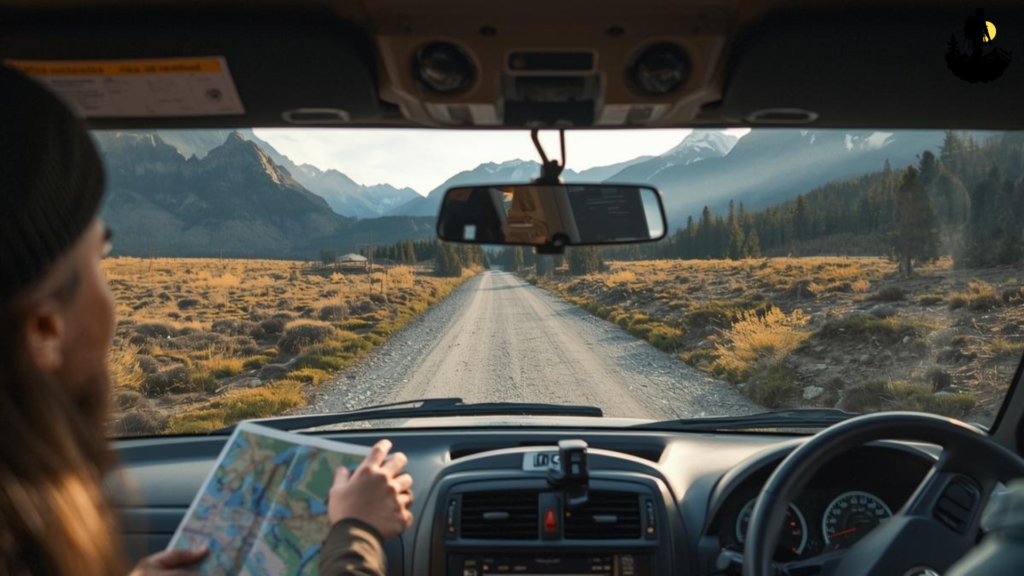
Traveling through remote areas of the United States brings incredible views, quiet roads, and a level of freedom you won’t find in busy regions. But once you lose cell signal, everything changes. Navigation becomes trickier. Emergency calls may not go through. Weather alerts and real-time updates disappear.
This guide gives you the tools and mindset needed for no-signal travel safety in the USA, whether you’re exploring national forests, mountain passes, desert backroads, or quiet rural zones far from coverage.
Why Zero-Signal Travel Requires a Different Approach?
When cell towers fade from your screen, your safety net shrinks. Help is harder to reach, information becomes limited, and simple mistakes can become bigger problems.
Yet millions of people travel off-grid every year and do it safely.
Traveling without a signal means:
• You must plan ahead, not react later.
• You rely more on your own gear, food, water, and navigation.
• You must think like a self-sufficient traveler, not a connected one.
• You build safety backups that work even when tech doesn’t.
Once you learn these principles, no-signal zones become less risky and far more enjoyable.
Understanding Where Cell Signal Disappears in the U.S.
Cell coverage in the U.S. is strong around cities and highways but fades fast in rural, mountainous, and desert regions. These areas are most likely to drop your signal:
Mountain Ranges: The Rockies, Appalachians, Sierra Nevada, and Cascades all contain valleys and ridges where coverage dies.
National Forests: Millions of acres have no towers at all.
Deserts and High Plateaus: Utah, Nevada, and Arizona have huge dead zones.
Northern and Western Plains: Spots across the Dakotas, Montana, and Wyoming go dark for miles.
Alaska and Remote Coastlines: Large sections have little to no service.
Understanding coverage patterns is key to no signal travel safety USA. Never assume a road will have a signal just because it’s on a map.
Essential Pre-Trip Planning for Zero-Signal Travel
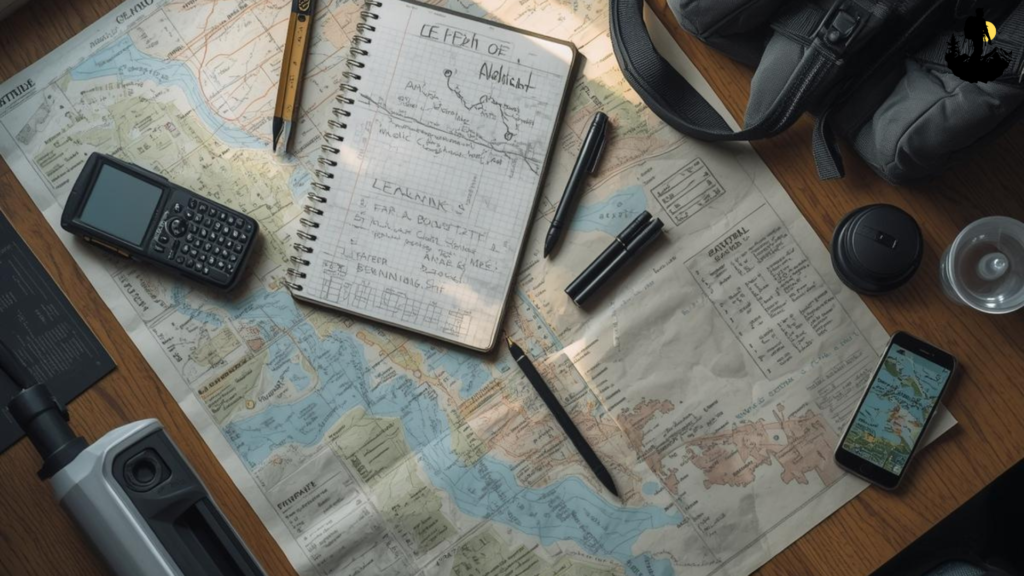
Good planning is your strongest safety tool. Before driving into a zero-signal zone, make sure you prepare the essentials.
A. Research Your Route
Use a mix of online sources, printed guides, and local ranger information to understand:
• Terrain
• Road conditions
• Fuel availability
• Seasonal closures
• Water access
• Camping rules
Never rely on one source alone.
B. Download Offline Maps
Apps like Google Maps, Gaia GPS, and OnX Offroad allow offline downloads. Make sure maps include:
• Road layers
• Topography
• Trails
• Water sources
• Public land boundaries
C. Tell Someone Your Travel Plan
• Your route
• Expected return time
• Key stops
• Emergency contacts
This step alone has saved lives.
D. Prepare for Delays
Weather, road issues, mechanical problems, and blocked trails can all slow your trip. Build flexibility into your schedule.
Must-Have Safety Gear for Zero-Signal Zones
If you lose signal, the right gear becomes your backup lifeline.
Satellite Communicator: Devices like Garmin inReach or ZOLEO allow SOS calls, location sharing, and texting via satellite. They are the gold standard for no signal travel safety usa.
GPS Unit: Standalone GPS units continue working even without phone service.
Portable Air Compressor and Tire Repair Kit: Flat tires are one of the most common remote travel issues.
Physical Maps and Compass: Always carry paper backups.
First-Aid Kit: Stock it with items for cuts, burns, allergic reactions, and sprains.
Portable Power: Power banks, 12-volt chargers, and solar panels keep devices running.
Emergency Shelter and Warm Clothing: Weather changes fast in remote areas.
This gear turns a risky situation into a manageable one.
Smart Navigation Without Cell Signal
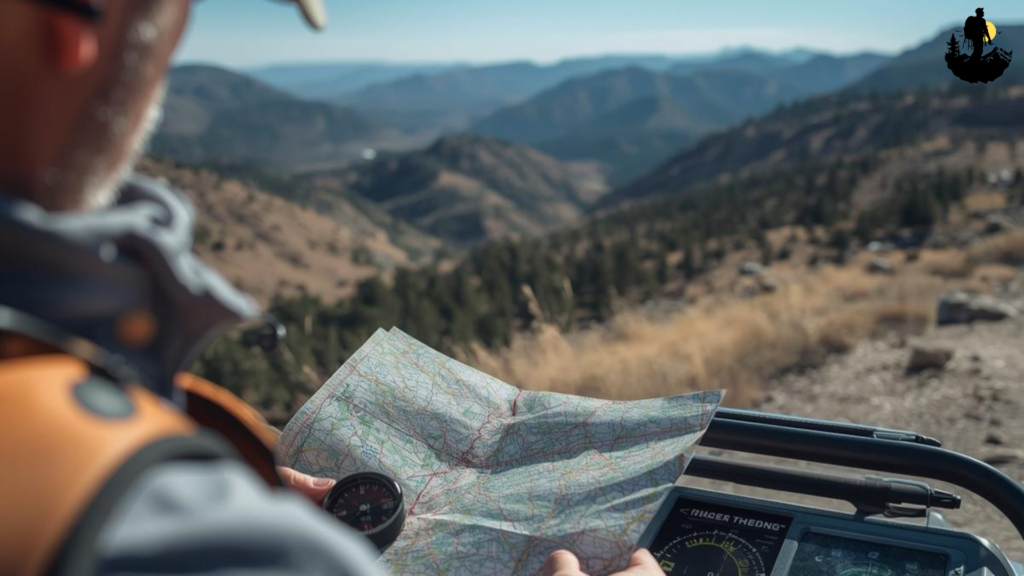
No signal means no real-time traffic updates, no live rerouting, and no quick searches. Use these strategies:
A. Save Offline Maps in Layers
Include multiple map types, especially terrain and satellite.
B. Mark Key Waypoints
Before leaving the signal, mark:
• Trailheads
• Fuel stations
• Water access
• Campsites
• Alternative routes
C. Track Your Progress Manually
On paper or in your GPS, note mileage at key points.
D. Avoid Unmarked Paths
Stick to known roads unless you’re experienced and equipped for backcountry navigation.
E. Trust Landmarks, Not Bars on a Screen
Ridges, rivers, and valleys guide you even when technology fails.
Fuel, Food, and Water: How to Avoid Emergencies
Running out of supplies is one of the biggest risks in no-signal areas.
Fuel Strategy
Remote fuel stations may be hours apart.
Follow these rules:
• Top off whenever possible
• Never enter a back road with less than half a tank
• Carry an extra fuel can if allowed
Water Strategy
- Aim for at least one gallon per person per day, more in hot regions.
- Carry multiple containers and know where refill points exist.
Food Strategy
Pack both ready-to-eat foods and shelf-stable meals. Include:
• Nuts
• Dried fruit
• Protein bars
• Canned meals
• Instant rice or pasta
In remote travel, extra supplies equal extra safety.
Road Safety Tips When You’re Off the Grid
Even easy-looking remote roads can surprise you.
Drive Slower Than You Think You Need: Loose gravel, potholes, and blind curves appear suddenly.
Watch Tire Temperature on Hot Pavement: Heat causes blowouts on long remote highways.
Give Wildlife Distance: Animals are more common where people are not.
Avoid Driving at Night: Visibility drops, hazards increase, and help is even harder to find.
Don’t Cross Flooded Roads: A few inches of water can sweep a vehicle.
Turn Around Early, Not Late: If the road looks rougher than expected, back out before it becomes dangerous.
These habits reduce risk dramatically.
Communication Strategies With Zero Signal
Even when you can’t call or text through your carrier, other options exist.
Satellite Messengers: Small, lightweight, and reliable. Offer SOS and limited messaging.
Satellite Phones: More expensive but allow full conversations from almost anywhere.
GMRS Radios: Reach several miles in open terrain. Useful for group travel.
HAM Radios: Require a license but can reach long distances under the right conditions.
Offline Communication Apps: Some apps allow device-to-device messaging via Bluetooth or local radio frequencies, though range is limited.
These tools bridge the gap when cell towers vanish.
Weather Awareness in Zero-Signal Terrain
Weather can trap travelers fast in remote zones.
Download Forecasts Before Losing Signal
Get hourly and extended forecasts.
Know Local Risks
• Flash floods in deserts
• Sudden snow in the mountains
• High winds in the plains
• Fog in coastal regions
Carry a Weather Radio
NOAA radios work nationwide without cell service.
Have Shelter Options
If the weather turns dangerous, stop and wait it out. Staying put is often safer than pushing forward.
Emergency Preparedness: What to Do When Something Goes Wrong
Zero-signal emergencies require calm thinking and clear steps.
If Your Vehicle Breaks Down
• Stay with the vehicle
• Use hazard markers
• Conserve battery power
• Send a satellite message if possible
• Ration water
If You’re Lost
• Stop moving
• Mark your location
• Check maps and landmarks
• Call for help with your satellite device
• Start a fire only where legal and safe
If the Weather Turns Severe
• Seek natural shelter
• Avoid trees in lightning storms
• Stay dry and conserve heat
• Use emergency blankets
The goal is to avoid panic and rely on your training and gear.
Sample 5-Day No-Signal Travel Plan (Mountain Edition)
A simple plan for a safe and structured zero-signal adventure.
Day 1: Base Town Prep
Fuel up, download maps, check gear, and notify your contact.
Day 2: Enter the Forest Roads
Travel slowly, mark camp options, and track mileage.
Day 3: High-Elevation Day Hikes
Use mapped trails only. Keep the weather radio on.
Day 4: Remote Ridge Camping
Pick a safe site with wind protection. Monitor conditions.
Day 5: Exit the Backcountry
Follow your planned route out. Check in with your travel contact.
Conclusion
Traveling without a cell signal doesn’t have to be dangerous. With the right planning, gear, and mindset, no signal travel safety USA becomes an adventure grounded in confidence. You learn to navigate with intention, rely on backup tools, respect the environment, and stay aware of your surroundings.
By preparing your route, packing the right items, understanding local conditions, and keeping smart communication backups, you can safely explore quiet valleys, remote deserts, deep forests, and long mountain roads without stress.
Zero-signal travel pushes you to be self-sufficient, but it also rewards you with unforgettable experiences.
Plan well, stay aware, and enjoy the freedom that comes with disconnecting from the grid.