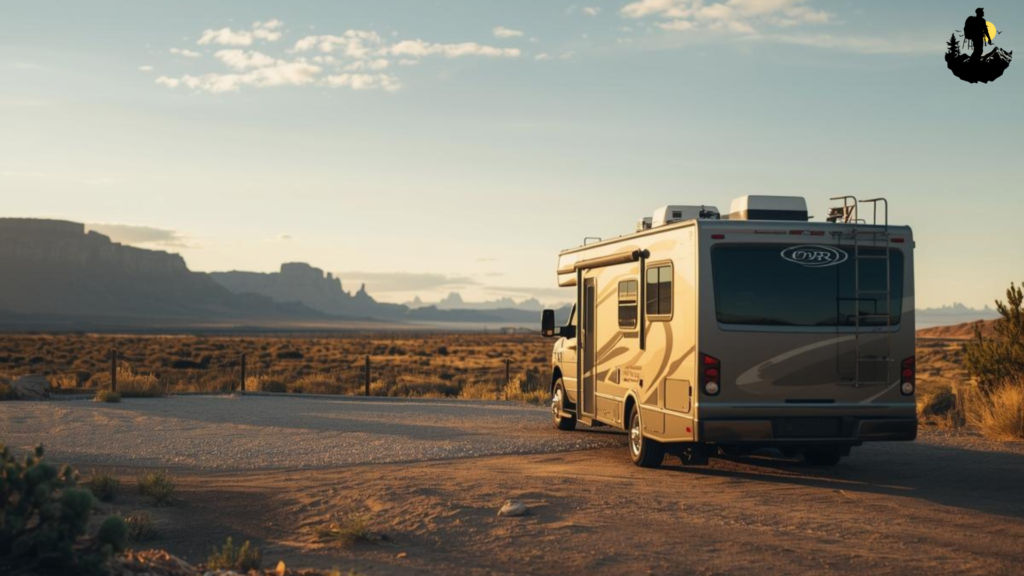
RV travel remote USA is one of the most rewarding ways to experience the country’s far-off landscapes, quiet backroads, and small communities that most travelers never reach. When you leave the interstate behind and roll into the deep stretches of mountains, deserts, plains, and coastlines, the journey shifts. Time slows. Nature gets louder. And the sense of independence grows.
This blog is designed to help you plan smarter, stay safe, travel efficiently, and enjoy the hidden corners of America that only RV adventurers truly get to see.
Why Explore Remote U.S. Regions by RV?
Exploring remote regions by RV gives you a level of freedom that traditional travel cannot match. You choose the pace, the route, and the view outside your window every morning. Remote areas offer deeper stillness, less traffic, cleaner night skies, and a stronger connection to the land.
Traveling in these areas also keeps costs down. Remote roadways are filled with free or inexpensive camping options, forest service lands, and BLM areas. You’re not tied to hotel reservations or strict timelines. For anyone craving solitude, creativity, or personal reset time, RV travel in the remote USA offers one of the best escapes.
Understanding the Terrain: Key Remote Regions to Explore
Remote U.S. regions are shaped heavily by geography. The terrain you choose influences everything from fuel planning to water strategy. Here are some standout areas worth considering:
- The Southwest Backcountry
Arizona, Utah, Nevada, and New Mexico are packed with red rock deserts, canyonlands, and high-elevation plateaus. The terrain is rugged but stunning, with endless boondocking possibilities. - The Northern Rockies
Idaho, Montana, and Wyoming offer thick forests, winding mountain passes, and wildlife-filled valleys. These areas deliver cooler weather and peaceful alpine lakes. - The Great Plains and Badlands
The Dakotas, Nebraska, and eastern Montana provide vast open skies, prairie camp spots, and surreal rock formations. - Remote Appalachia
West Virginia, Kentucky, and Tennessee include remote hollows, old-growth forests, and scenic river valleys. Roads here are narrow but rewarding. - Alaska’s Wild Highways
The Alaska Highway, the Richardson Highway, and the Glenn Highway offer some of the most dramatic remote RV travel in the country.
Each region demands respect. Heat, altitude, road quality, and isolation all change quickly. Good planning turns challenges into a smooth adventure.
Build the RV Travel Blueprint: Step-by-Step Planning
Before you venture into a remote country, map out the essentials. This blueprint gives you the structure you need to avoid missteps.
Route Planning
Use more than one source. Combine satellite maps, offline navigation apps, paper maps, and campground guides. Look for:
- Fuel stops spread at manageable distances
- Road grades beyond 6 percent
- Low-clearance bridges
- Gravel or seasonal roads
- Weather-influenced closures
Fuel Strategy
In remote regions, fuel scarcity is real. Always top off when you have the chance. A good rule is to never let your tank drop below half in isolated areas.
Water Management
Map out water refill stations, visitor centers, natural springs, and forest service spigots. Carry more than you think you need.
Food and Supply Runs
Plan supply points in advance. Some rural towns have just one grocery store that closes early or stocks limited items.
A stocked pantry gives you freedom.
Reservations vs. No Reservations
Remote RV travel is usually flexible. Forest land, BLM areas, and roadside pullouts don’t require reservations. But if you want specific campgrounds or hookups, book ahead.
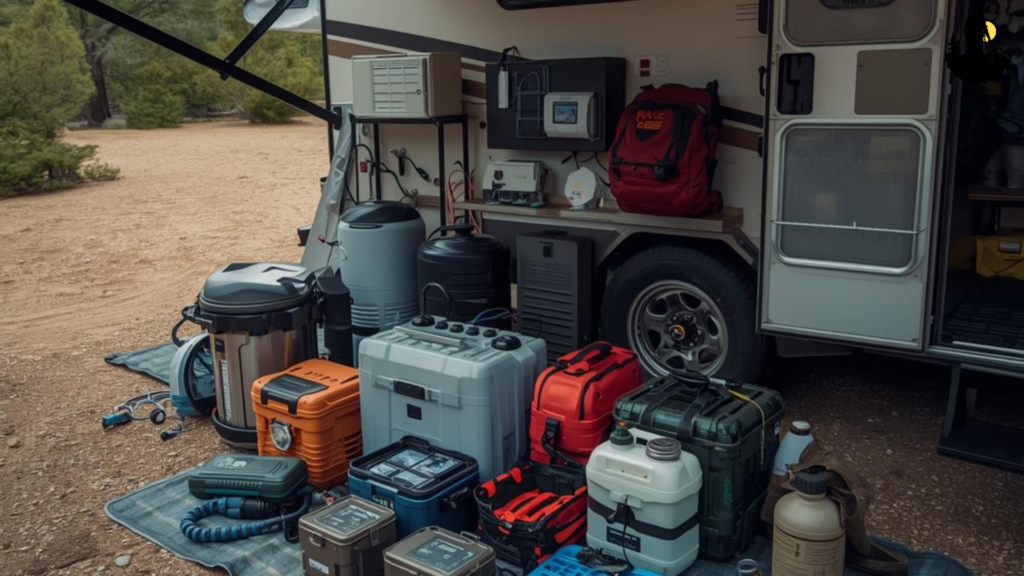
Must-Have Gear for Remote RV Travel
When you venture far from services, the right gear makes all the difference.
- Power Equipment
Solar panels, power stations, and generators keep your batteries alive. Solar is quiet, clean, and reliable for long trips. - Water Gear
Carry collapsible water containers, a filtration system, and backup purification tablets. - Tools and Repairs
Pack a tire repair kit, air compressor, jack, duct tape, extra fuses, and a set of common tools. - Heating and Cooling
Portable fans, efficient heaters, reflective window covers, and proper insulation help you handle temperature swings. - Navigation Tools
Offline GPS maps are non-negotiable. Don’t rely on cell service. - Safety Gear
First-aid kits, emergency beacons, fire extinguishers, and bear spray (for certain regions) should always be onboard.
Safety First: What to Know in Remote Zones
Safety has to be part of the blueprint. Far-off areas come with challenges that interstate travel never presents.
Wildlife Encounters
In mountain and forest regions, you may see bears, elk, moose, or mountain lions. Keep food sealed, stay aware, and never approach wildlife.
Weather Risks
Remote regions see fast storms, desert flash floods, black ice, and high-wind zones. Check forecasts often and understand local seasonal patterns.
Mechanical Issues
A breakdown in the middle of nowhere slows everything. Know the basics of tire repair and electrical troubleshooting. Carry roadside assistance coverage that supports RVs.
Communication Limits
A satellite communicator, emergency radio, or Starlink device keeps you connected when mobile networks are silent.
Best Remote RV Routes Across the U.S.
These routes offer some of the best RV travel remote USA experiences you can find:
- Alaska Highway (Alaska & Canada)
A legendary route with glaciers, wildlife, and endless rugged scenery. - Utah’s Scenic Byway 12
Red cliffs, canyons, and some of the most iconic boondocking locations in the Southwest. - Beartooth Highway (Montana & Wyoming)
High-elevation road with alpine lakes and hairpin turns. - Nevada’s Highway 50, “The Loneliest Road in America”
Open desert, old mining towns, and high-speed straightaways. - Blue Ridge Parkway (North Carolina & Virginia)
Dense forests, foggy ridges, and quiet mountain overlooks. - The Dalton Highway (Alaska)
One of the most remote roads in the country. Not for beginners.
Best Remote RV Campsites and Boondocking Areas
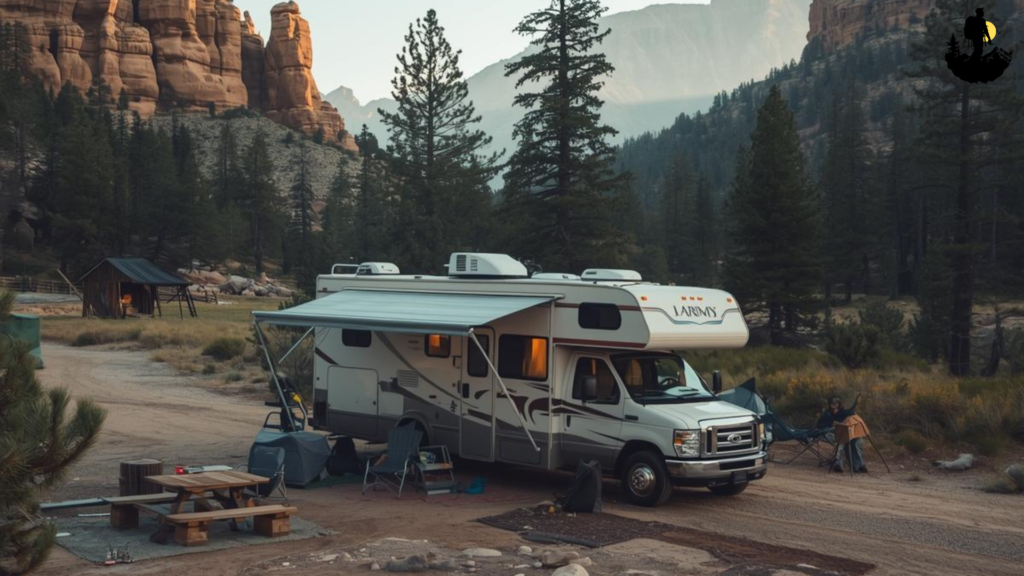
Remote camping is where this style of travel shines. Here are standout locations:
- Alabama Hills, California
Rock formations, desert views, epic sunrises. - Coconino National Forest, Arizona
Pine forests, mountain air, and free dispersed camping. - Gallatin National Forest, Montana
Quiet rivers, deep woods, and wildlife. - Gunnison National Forest, Colorado
High-altitude lakes and sprawling valleys. - Idaho Panhandle Forests
Calm lakes, long dirt roads, and natural hot springs nearby.
These places let you disconnect and live slowly. Most offer breathtaking views without the noise of packed campgrounds.
Staying Connected, Even Far Off the Grid
Even remote travelers need a connection at times, especially if working from the road.
- Cell Boosters
Helpful on the fringes of service areas. - Starlink for RVs
Reliable in many remote regions and ideal for digital nomads. - Offline Apps
Weather, maps, star charts, foraging guides, trail maps, and campground directories all function without service if downloaded.
Budgeting for Remote RV Travel
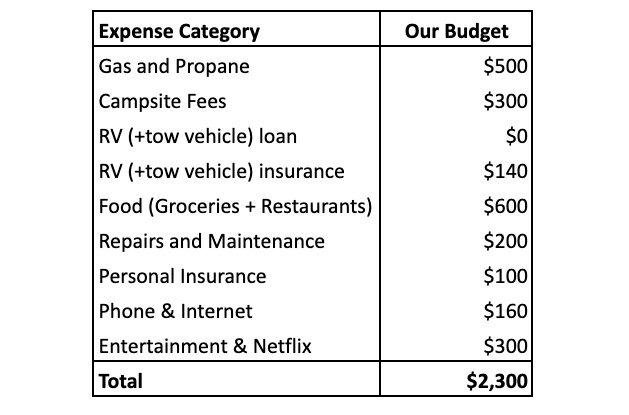
Boondocking and remote travel cut many costs, but you should still prepare:
- Fuel
Remote areas usually have higher prices. Build fuel flexibility into your budget. - Maintenance
Rougher roads increase wear and tear. Set aside funds for repairs. - Food and Supplies
Small-town groceries can be pricey. Buying in bulk helps. - Connectivity Tools
Satellite services cost more but deliver reliability. - Campgrounds
Paid sites aren’t always needed, but budget for a few when you want hookups.
Sample 7-Day Remote RV Itinerary (Southwest Edition)
Here is a simple weekly route that blends remote travel with scenic highlights:
Day 1: Sedona, Arizona
Start with red rock views and easy forest roads.
Day 2: Cottonwood to Prescott National Forest
Move into cooler elevation with quiet pine camps.
Day 3: Southern Utah Desert Dispersed Sites
Beautiful barren landscapes perfect for stargazing.
Day 4: Escalante Corridor
Drive along Scenic Byway 12, stopping at overlooks.
Day 5: Capitol Reef Backcountry
Camp just outside the park for free.
Day 6: Bryce Canyon Forest Roads
Tall pines and peaceful mornings.
Day 7: Zion Area Boondocking
Wrap up near iconic viewpoints.
Conclusion
RV travel remote USA opens the door to landscapes that most people never see. You get space, silence, and freedom that only the road can deliver. With the right planning, gear, and mindset, remote RV travel is safe, comfortable, and deeply rewarding.
Whether you’re chasing desert sunsets, forest solitude, ocean cliffs, or long, empty highways, this blueprint gives you the foundation to travel with confidence. Pack smart, plan well, and let the open land guide the rest.