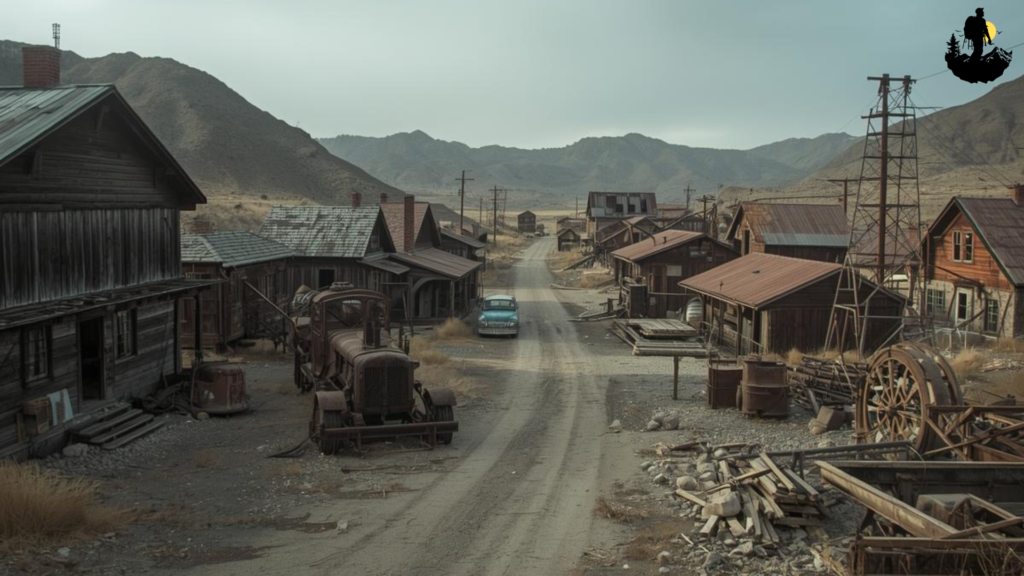
Mining shaped the early growth of the United States in ways many people forget today. Entire towns rose from dust and ambition. Families built homes near rugged hillsides, deep canyons, and remote mountain basins where minerals promised a better future. Some towns grew quickly and vanished just as fast. Others held on for decades before fading into the background.
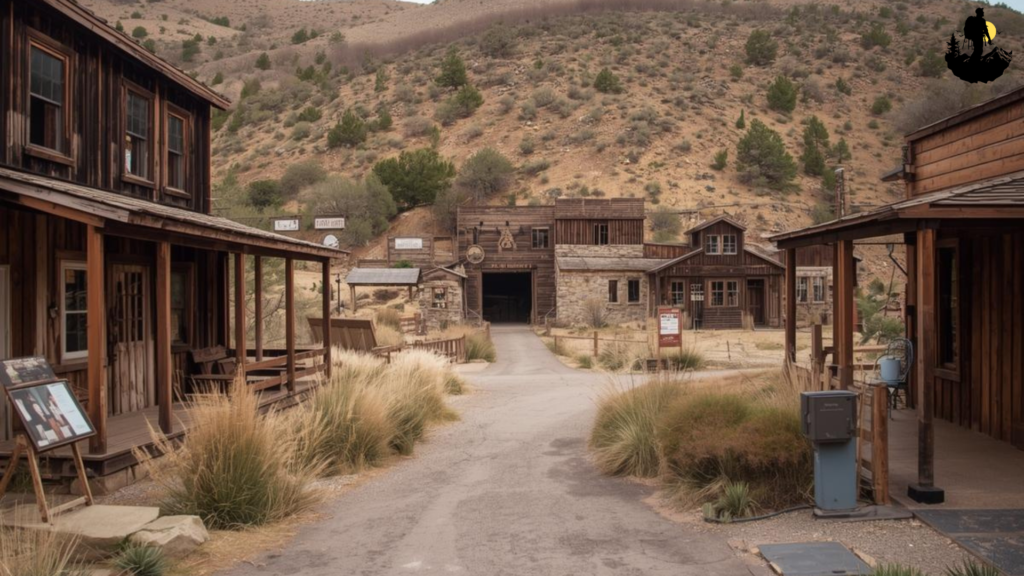
Anyone exploring forgotten mining villages in the USA can find old wooden buildings, rusted equipment, abandoned rail tracks, and quiet streets that once echoed with picks, boots, and laughter. These places remind us how determination, risk, and resilience shaped American life. This guide highlights forgotten mining villages worth knowing, small overlooked communities, lesser-known sites, and tips for exploring them safely and respectfully.
Mining Villages Most Travellers Never Hear About
- Bodie, California
This once-booming gold town sits high in the Sierra Nevada with windswept streets and well-preserved buildings. Bodie grew fast, then collapsed when its mines slowed. Many structures remain untouched, giving visitors a rare glimpse of what life looked like during the gold rush. - Elkhorn, Montana
This silver-mining town flourished during the late 1800s. Only a handful of buildings stand today, yet each one carries a strong sense of history. The old schoolhouse and Fraternity Hall remain among the most photographed structures in the region. - Animas Forks, Colorado
High-elevation living shaped this rugged community. Miners braved harsh winters, deep snow, and unpredictable weather. Several wooden homes still stand against the mountain backdrop, offering a powerful connection to the past. - Kennecott, Alaska
An abandoned copper town sits beneath towering glaciers. Large structures, processing mills, and mine buildings rest in impressive condition. The remote setting adds a feeling of isolation that reflects its challenging history. - Garnet, Montana
This hidden village survived long enough to develop sturdy buildings that still stand today. Walking through its empty rooms and narrow paths feels like stepping into another era.
Small Mining Communities Locals Remember Quietly
- Silver Reef, Utah
This sandstone mining town prospered in an area known more for red rock than silver veins. Only a few structures remain, yet the museum and old jailhouse tell a full story of life in a desert mining camp. - Ward, Colorado
The town still has residents, though its mining roots show in every corner. Old equipment and historic buildings line the hillside, and the small community keeps the past alive. - St. Elmo, Colorado
The buildings remain remarkably intact. The town sits at a high elevation and offers a peaceful, quiet walk past old storefronts, homes, and rail remnants. - Ruby, Arizona
This former mining community sits near the Mexican border. The remains of homes, a jail, and processing buildings show what life looked like during peak copper and lead extraction. - Luck, North Carolina
Few people know that this quiet community once held a small mining settlement. The forest has reclaimed many areas, yet historic traces remain for explorers who pay attention.
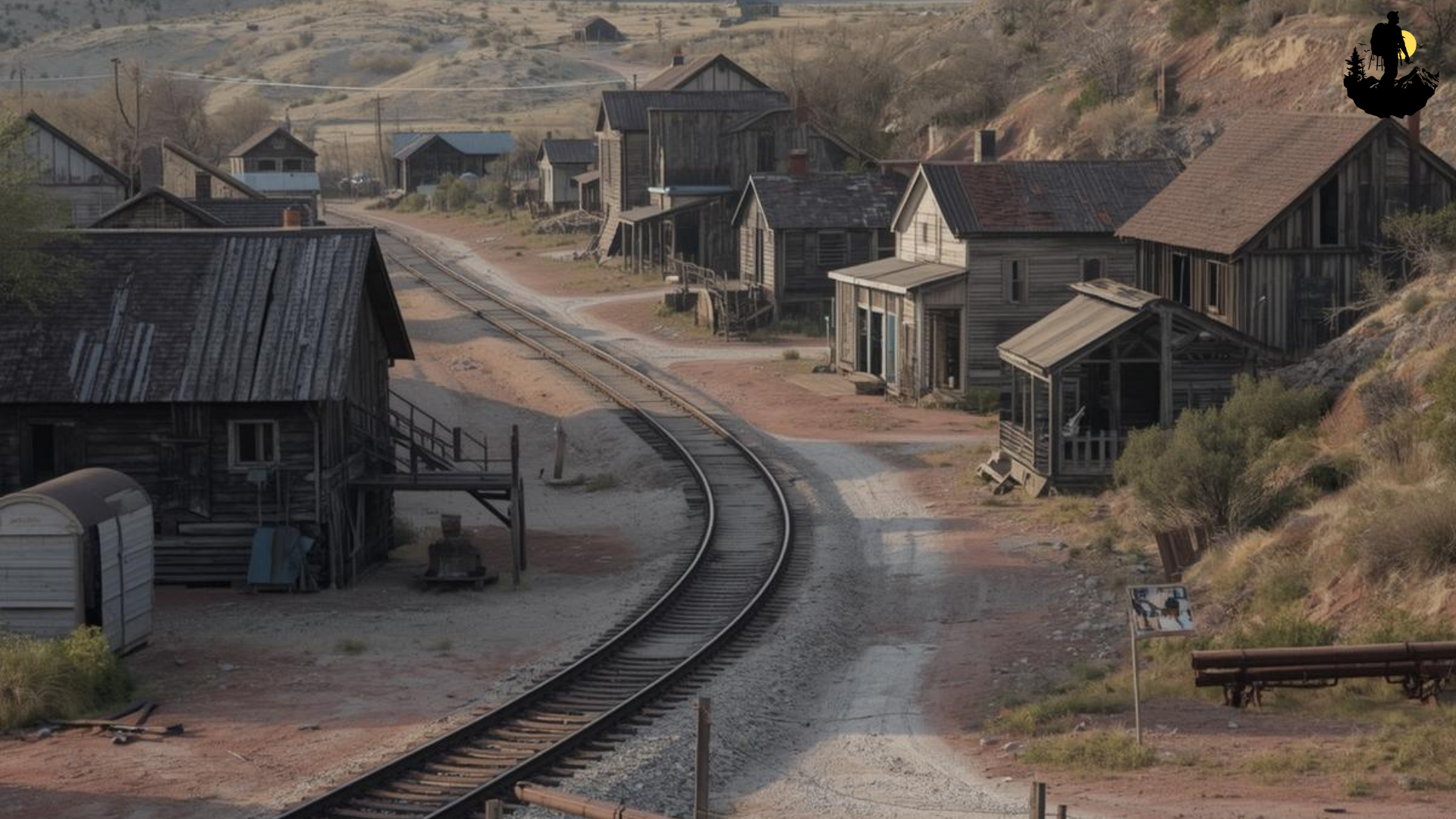
Underrated Mining Villages and Their Unique Stories
- Kirwin, Wyoming
Snowfed streams and rugged peaks surround this forgotten town. Heavy winters forced miners out, yet many cabins still overlook the valley. The isolated location adds to the mystery. - Bannack Outskirts, Montana
Many people know Bannack for its state park, yet the outskirts hold even quieter remnants. Old cabins sit near dried creek beds that once fueled gold panning efforts. - Cerro Gordo Side Camps, California
The main site gets attention, yet nearby clusters of abandoned structures show how larger mining operations relied on smaller, scattered camps. - Silver Lake Basin, Colorado
Avalanches destroyed much of the community in the early 1900s. The site holds powerful reminders of both tragedy and resilience. - Oatman Backroads, Arizona
The main stretch draws visitors, yet the backroads reveal smaller mining villages where workers lived in tight, rugged quarters.
How To Find Forgotten Mining Villages
Maps help, but don’t reveal everything. Old mining roads often fade into the landscape. Historical societies and local museums provide detailed directions and stories that guide you toward lesser-known sites.
County archives often hold maps drawn during the boom years. These offer clues about where families lived, where schoolhouses stood, and where processing buildings once operated.
Talking to locals helps more than anything else. Ranchers, hikers, and longtime residents often know trails or backroads that lead to forgotten structures.
Weather affects accessibility. Snow blocks high-elevation mining towns well into spring. Summer heat makes desert sites more challenging. Checking local updates before visiting keeps the trip safe.
Safety Tips for Exploring Old Mining Villages
Old buildings deserve respect. Wood rots, floors weaken, and beams shift over time. Viewing interiors from the doorway keeps you safe, especially in structures more than a century old.
Mine shafts require caution. Many openings hide beneath grass, brush, or thin soil. Staying on visible paths helps avoid unexpected drops.
Loose rock, rusted metal, and old debris still sit around many sites. Good shoes and careful steps prevent injuries.
Weather shifts quickly in the mountains and deserts. Bringing water, layers, and a small first aid kit helps you stay comfortable.
Respect for private property keeps exploration smooth. Some mining remnants sit on private ranch land. Asking before entering shows courtesy and helps maintain positive relationships.
Mining Village Comparison Table
| Mining Village | State | Difficulty | Special Feature |
| Bodie | California | Easy | Well-preserved gold town |
| Elkhorn | Montana | Easy | Historic schoolhouse and hall |
| Animas Forks | Colorado | Moderate | High-elevation cabins |
| Garnet | Montana | Easy | Intact wooden structures |
| Kennecott | Alaska | Hard | Massive mill buildings |
| Ruby | Arizona | Moderate | Desert mining remains |
| Oatman Backroads | Arizona | Easy | Scattered miner cabins |
Best Mining Villages for First-Time Explorers
- Bodie, California
This town provides clear paths, strong preservation, and enough open structures to give newcomers a full sense of mining life. - Garnet, Montana
The quiet setting and sturdy buildings create an accessible introduction to forgotten mining towns. - St. Elmo, Colorado
The layout remains easy to follow. The main street makes exploration simple without losing the sense of history. - Elkhorn, Montana
The two main buildings offer easy viewing and excellent photo opportunities.
Remote Mining Villages for Serious History Seekers
- Kennecott, Alaska
The long journey and massive structures make this site ideal for those seeking a deeper dive into mining history. - Kirwin, Wyoming
The remote location and dramatic surroundings offer a powerful sense of isolation. - Cerro Gordo Side Camps, California
The smaller camps add layers of complexity to the region’s mining story. - Silver Lake Basin, Colorado
The history tied to the avalanche makes this a meaningful site for serious explorers. - Bannack Outskirts, Montana
The quieter sections beyond the main park carry stories that often go unnoticed.
What Makes These Mining Villages So Memorable
Stories stick to the walls of these places. People lived, worked, celebrated, and struggled in these communities. The remaining buildings speak volumes about their lives. Wooden cabins lean against the wind, yet hold enough shape to spark imagination.
Landscape defines each story. High peaks, desert plateaus, canyon walls, and wide prairies shaped how miners lived. These natural settings give the ruins a mood that modern towns rarely match.
Community spirit shows through the remnants. Many villages held schools, stores, and gathering halls despite harsh conditions. These structures reflect hope and determination.
Time softens the edges. Weather, silence, and distance give each site a calm that encourages reflection. Visitors often feel connected to history even without a guide.
Photography Tips for Mining Village Visits
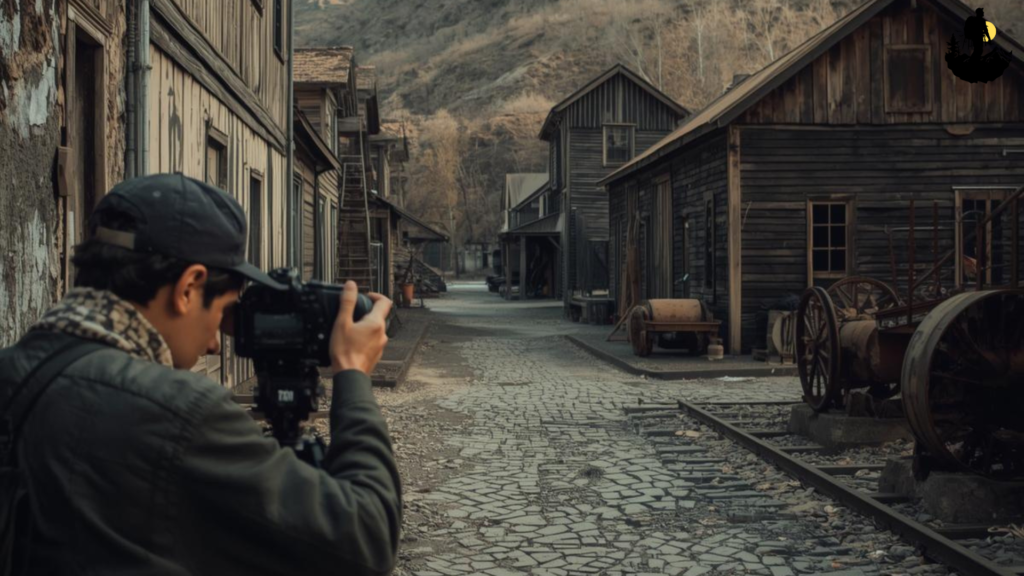
Soft morning light highlights wood texture, rusted metal, and shadowed corners. Photographers arrive early for the warm glow that makes structures come alive.
Angles help tell a story. Shooting from low positions captures the buildings’ height and age. Wide shots show the landscape around the village and emphasize its isolation.
Patience helps you find surprising details like old hinges, worn floorboards, or abandoned tools. These small elements tell the most powerful stories.
Respect always comes first. Avoid entering unstable structures or disturbing artifacts.
Packing Tips for Exploring Forgotten Mining Villages
Good boots protect you from uneven ground, rusted debris, and loose rocks. A hat and sunscreen help in open areas with little shade. Water is essential for remote visits.
A notebook lets you jot down historical notes, building names, or personal impressions. Maps or offline navigation help, since many sites sit far from cell signals.
Snacks keep energy steady during long walks. A light jacket works well in mountain towns where the temperature drops quickly.
A small bag with padding protects delicate items you might buy at local museums or shops.
Your Walk Through History
Forgotten mining villages offer more than scenery. They carry stories of courage, risk, determination, and community. Anyone exploring forgotten mining villages usa steps into landscapes shaped by ambition and hardship. These quiet ruins hold memories that outlast the people who built them.
Every weathered board and rusted nail becomes part of a larger story about survival and hope. Walking through these villages gives you a chance to slow down, imagine the lives once lived there, and appreciate the history that shaped so much of the American West.