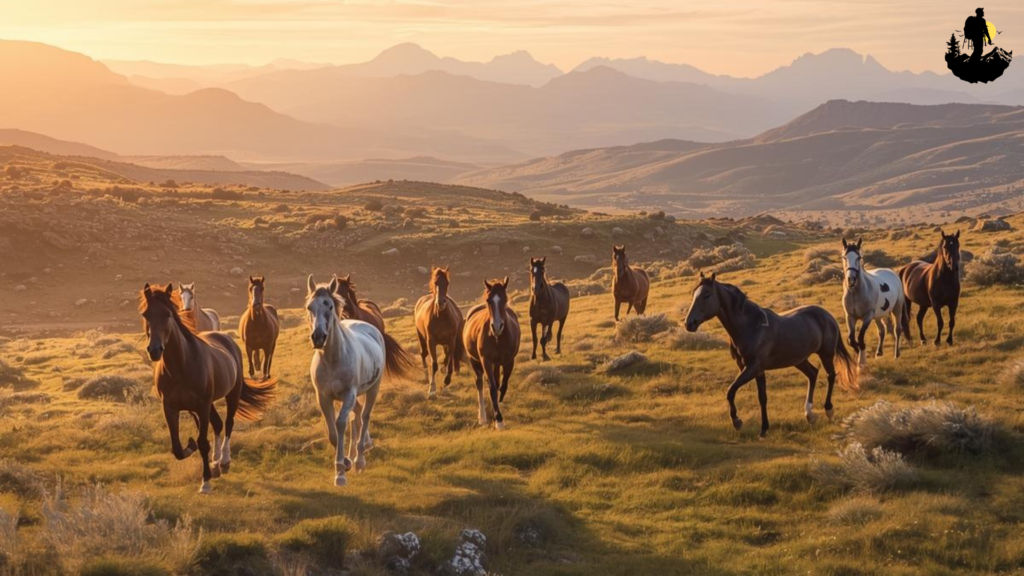
Wild horses carry a special kind of wonder. Their movements feel free, their herds hold a natural order, and their presence turns quiet landscapes into something unforgettable. Anyone searching for wild horse viewing usa spots can find some of the most remarkable scenes across open deserts, coastal dunes, and quiet mountain basins.
These horses descend from old ranch lines, cavalry stock, and early colonial animals that adapted to the land over generations. Watching them in their natural space feels both calming and powerful. This guide brings you through the best wild horse watching locations, small-town herds worth visiting, travel tips, and a few simple ways to keep the horses safe during your visit.
Top Wild Horse Regions Across the Country
Outer Banks Wild Horses, North Carolina
Visitors often start with the beaches near Corolla and Carova. These horses walk along sand dunes, grassy patches, and the shoreline. Sunrise brings soft light that makes the herd stand out in the quiet morning air.
Little Book Cliffs Herd, Colorado
A mix of deep canyons and quiet plateaus makes this region feel dramatic. The horses roam high ridges and shaded valleys. The area stays peaceful for most of the year.
Pryor Mountain Mustangs, Montana–Wyoming Border
Steep cliffs and rocky basins give this herd a rugged home. The horses carry unique colors and markings that attract photographers and wildlife lovers.
Owyhee Range Herds, Idaho
Wide desert spaces and rolling sagebrush hills give visitors clear views from long distances. The herds here often travel in tight family groups.
Cumberland Island Horses, Georgia
This barrier island holds thick forest, marshland, and long beaches. Horses wander freely between the trees and the shore.
Small-Town Herds Worth the Trip
Virginia Range Herd, Nevada
Locals regularly spot these horses near small towns like Dayton and Virginia City. The open hillsides make it easy to watch them graze or move in small groups.
Salt River Wild Horses, Arizona
These horses often walk along calm river edges and shaded cottonwood groves. Clear water gives visitors great photo opportunities.
Heber Wild Horses, Arizona
The forest setting creates a softer tone than desert regions. Light filters through tall pines and adds a calm feel to each scene.
Steens Mountain Herd, Oregon
Remote hills, cold winds, and rolling slopes shape this herd’s home. The horses often stand against dramatic backdrops.
Assateague Island Herds, Maryland–Virginia
Split between two states, these horses travel across dunes, forest patches, and marsh areas. Many families visit throughout the year.
Less-Known Wild Horse Viewing Spots and What Makes Them Special
South Steens Foothills, Oregon
Hardy horses roam through dry valleys and wind-carved ridges. Visitors often enjoy long, quiet drives with wide views.
Sand Wash Basin, Colorado
The basin hosts several bands that move across colorful desert terrain. Photographers appreciate the open sightlines.
Challis Herd Area, Idaho
A mix of mountains and clear grasslands gives this herd a unique home. Snowy peaks sit in the background for much of the year.
Little Fish Lake Basin, Nevada
Fenceless land and quiet roads make this region feel remote. Horses roam without interruption.
Twin Peaks Herd Area, California–Nevada Border
Large open ranges allow visitors to watch horses from safe distances without disturbing the herd.
How To Check Conditions and Access for Horse Viewing
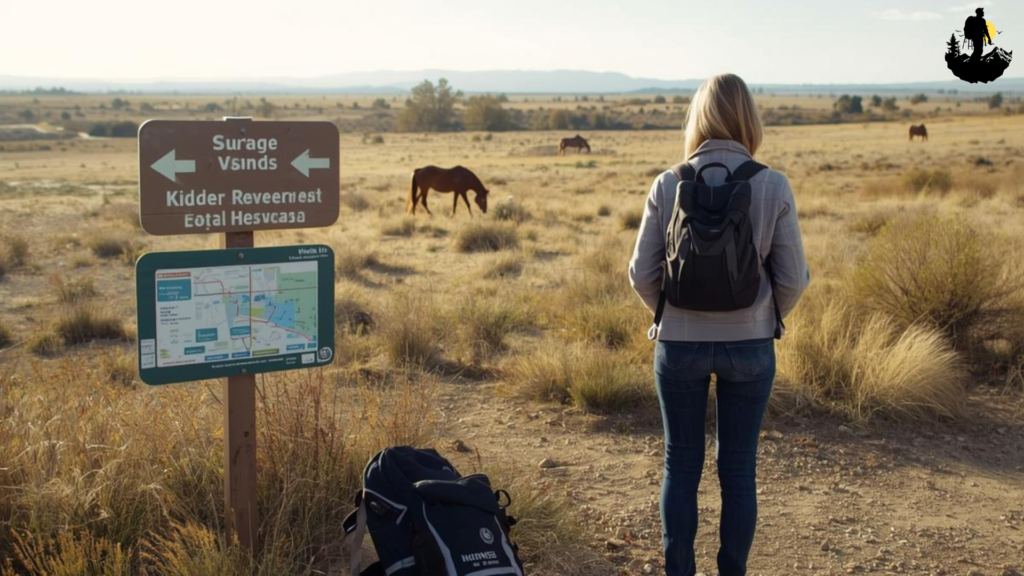
Public land agencies often post updates about road conditions, fire restrictions, or seasonal changes. A quick check keeps your trip smooth and safe. Many wild horse areas sit far from main roads, and summer heat or winter storms affect travel.
Local wildlife groups sometimes report herd locations when conditions shift. Horses move often depending on water, weather, and grazing areas. A short call to a local ranger helps you understand current access points.
Drone use is usually restricted or banned near herds. Horses react to sound quickly, and drones can stress or split family groups.
Safety Tips for Watching Wild Horses
A calm approach protects both you and the herd. Horses rely on distance to stay comfortable. Watching from your vehicle or a safe stretch of roadside works best in open areas.
A long camera lens lets you capture detailed photos without stepping too close. Sudden movement can spook the horses, especially when foals are nearby.
Cars should stay on marked routes, since fragile desert soil takes a long time to recover from tire tracks. Horses often rest near water sources, and giving them space helps them feel secure.
Bringing water, snacks, and a hat keeps your trip comfortable. Wild horse regions often lack shade.
Wild Horse Region Comparison Table
| Region | State(s) | Difficulty | Special Highlight |
| Outer Banks Beaches | North Carolina | Easy | Horses walking along the shoreline |
| Pryor Mountain Range | MT / WY | Moderate | Unique colors and rugged terrain |
| Salt River Horses | Arizona | Easy | Horses drinking in the river |
| Steens Mountain Herd | Oregon | Moderate | High-ridge scenery |
| Assateague Island | MD / VA | Easy | Coastal dunes and marshland views |
| Sand Wash Basin | Colorado | Easy | Wide desert viewing |
| Virginia Range | Nevada | Easy | Frequent sightings near small towns |
Best Spots for First-Time Wild Horse Viewers
Assateague Island, Maryland–Virginia
Easy access, steady footpaths, and calm scenery help beginners feel comfortable.
Salt River, Arizona
Shaded riverbanks keep the area cool, and the horses often gather near the water.
Outer Banks, North Carolina
Beach roads and guided tours make the experience simple and enjoyable.
Sand Wash Basin, Colorado
Open views help you see herds from your car without hiking long distances.
Remote Horse Viewing Routes for True Adventurers
Pryor Mountain Backroads, Montana-Wyoming
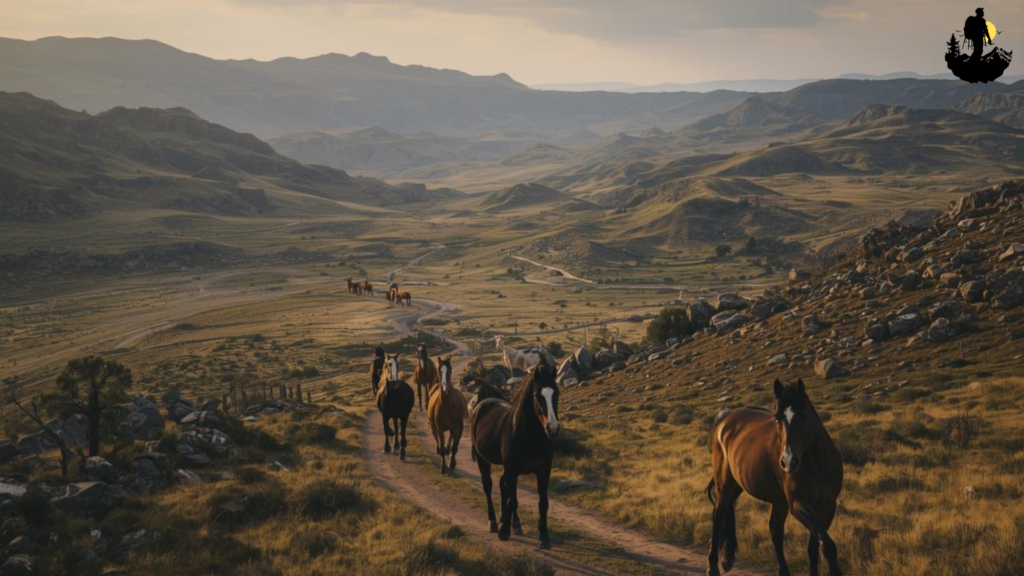
Steep, rugged roads and high mountain basins draw adventurous travelers.
Steens Mountain, Oregon
Cold winds and remote dirt roads bring isolation and dramatic scenery.
Little Fish Lake Basin, Nevada
Long distances and quiet valleys make this area perfect for solitude.
Challis Herd Area, Idaho
Mountain views stretch across miles, and wild horses roam freely across the hills.
Photography Tips for Capturing Wild Horses
Soft morning light highlights the horses’ coats and adds warmth to the scene. Long lenses help you capture detail without stepping too close. Calm breathing helps steady your shots when holding the camera by hand.
Backing up slightly improves composition. Horses look strongest when framed with open landscape behind them. Roadside pullouts give safe areas to stop without blocking traffic.
Patience helps most. Herds move slowly and sometimes pause for long stretches. These quiet moments often create the best photos.
Packing Essentials for Wild Horse Viewing Trips
A cooler with water, a lightweight chair, and a wide-brimmed hat improve long viewing sessions. Sunglasses help with desert glare. Sturdy shoes work well for short walks near observation areas.
Binoculars make it easier to spot horses at long distances. A phone charger, extra camera battery, and small notebook round out your kit. Snacks help you stay steady through slow moments.
Respecting the space ensures the horses stay relaxed. Staying quiet and moving slowly keeps the experience peaceful.
A Last Note Before You Go Horse Watching
Wild horse watching brings a sense of calm you can’t recreate in a zoo or city park. Open land, slow movement, and honest natural behavior make each visit feel meaningful. Anyone searching for wild horse viewing usa spots can enjoy scenes that connect you with history, nature, and the spirit of freedom these herds carry. These horses live by their own rhythm, and watching them wander through open space reminds you how wild the American landscape still is.